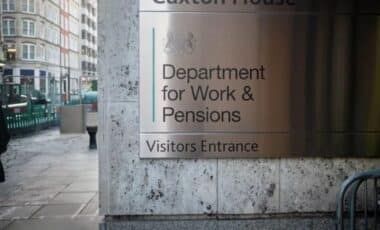

The changes, which will also raise minimum pay for younger workers, come as the Government seeks to support household finances amid continuing cost-of-living pressures. Around 2.3 million workers are expected to benefit, although frozen income tax thresholds mean that higher earnings may bring additional tax liabilities for some employees.
National Living Wage Increase Will Add £910 to Annual Earnings
From 1 April 2027, the National Living Wage will rise from £12.71 to £13.21 per hour, representing a 3.9% increase. For a full-time employee earning the minimum legal rate, this translates into an additional £910 in gross annual pay.
According to the Daily Express, the announcement was made during the Autumn Budget on 28 October 2026, when Chancellor John Healey outlined measures intended to give families and businesses greater financial breathing space.
HM Treasury confirmed that the Government had accepted the Low Pay Commission’s recommendations in full, with the aim of improving earnings while protecting employment and supporting businesses.
The increase also exceeds the latest reported rate of inflation. Figures from the Office for National Statistics showed that Consumer Prices Index inflation stood at 3.5% in the 12 months to September 2026, compared with the 3.9% wage uplift.
Earlier estimates from the Low Pay Commission suggested that the National Living Wage would need to reach approximately £13.18 in April 2027 to maintain its position relative to average earnings.
The commission had identified a possible range of £13.02 to £13.34, using two-thirds of median earnings as its reference point. The confirmed £13.21 rate falls within that range.
Younger Workers Will Receive Higher Pay As Age-Based Gap Remains
Employees aged 18 to 20 will also see their statutory minimum wage increase by 3.9% from 1 April 2027. Their hourly rate will rise from £10.85 to £11.27.
The decision follows an 8.5% increase for this age group in April 2026. Labour has nevertheless paused its ambition to align younger workers’ minimum pay with the National Living Wage available to employees aged 21 and over.
According to BirminghamLive, the Living Wage Foundation acknowledged progress in narrowing the difference between the two rates over recent years, while warning that weaker demand for younger workers has increased the risks associated with further substantial increases.
The Government had already adjusted the Low Pay Commission’s remit in March, allowing greater consideration of labour market conditions when assessing minimum pay for 18-to-20-year-olds.
Charles Hipps, founder and chief executive of recruitment technology company Oleoo, welcomed the financial support for younger employees but questioned whether a slower increase would necessarily encourage businesses to recruit more inexperienced candidates.
He pointed to training costs, economic uncertainty and artificial intelligence as factors influencing entry-level recruitment.
Hipps also warned that routine tasks traditionally assigned to junior employees are increasingly being completed using technology, prompting employers to reconsider their recruitment requirements.
For younger workers, the April changes will therefore deliver higher statutory hourly pay while leaving the age-based wage distinction in place. The impact on entry-level recruitment remains a concern raised by employers and recruitment specialists.