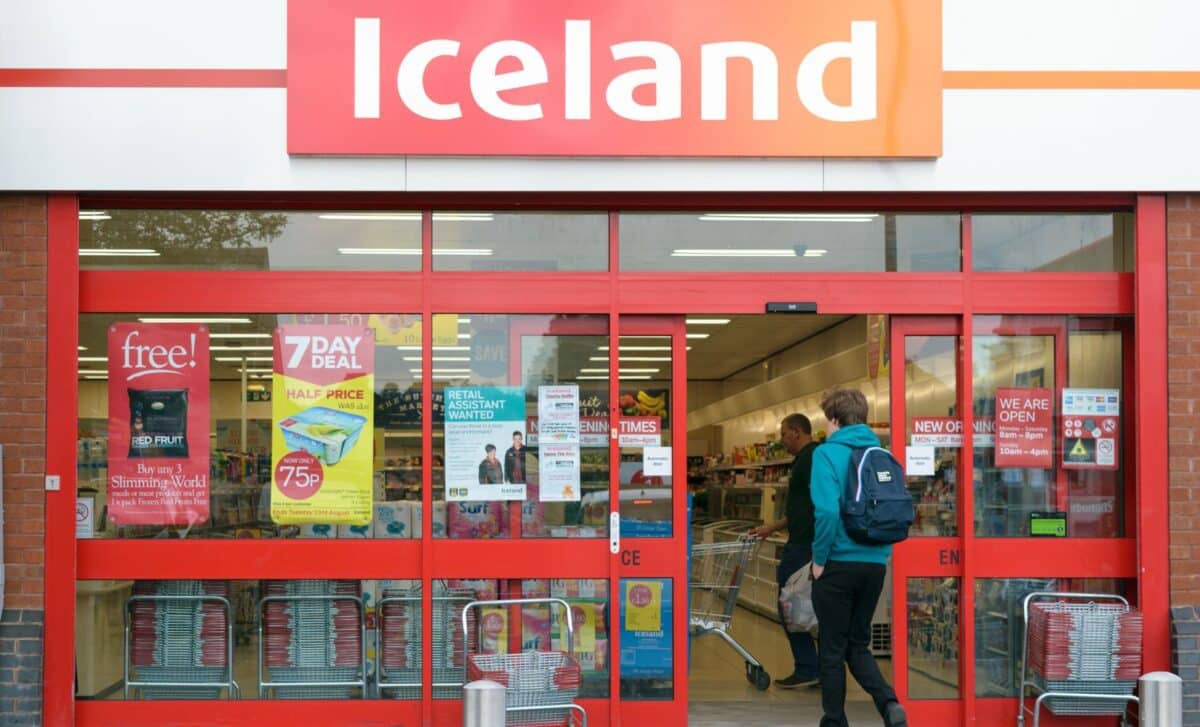
Iceland, one of the UK’s most popular frozen food chains, is set to close its Leigh town centre branch this November. The decision marks yet another blow to Britain’s struggling high streets as major retailers grapple with financial difficulties.
The closure is part of a wider pattern of store shutdowns by the supermarket, which has already shuttered multiple sites across the country. As retailers across the UK face mounting economic pressure, this latest move highlights the growing challenges faced by both small towns and larger retail chains.
Iceland’s Retreat from High Streets
Iceland’s announcement that it will close its long-standing Leigh branch comes after a decision not to renew its lease, according to the Leigh Journal. The store, which has served the local community for decades, will close its doors permanently on Saturday, November 1. While the supermarket has assured that its staff members are being offered alternative roles within the company, the move has nevertheless sparked frustration among local residents.
The news has been described as a “big blow” by some shoppers, who expressed their disappointment at the growing number of empty retail spaces in town centres. Iceland’s withdrawal from Leigh follows a series of closures across the UK, including sites in Margate, Inverness, and Welling. These closures, part of a wider trend, suggest that even established chains are struggling to sustain profitability in an increasingly challenging retail environment.
The closures are also indicative of the pressure on high street retailers, as more businesses struggle to adapt to changes in consumer shopping habits, rising costs, and competition from online retailers. The high street’s slow decline has been exacerbated by economic pressures such as inflation and increased business rates, leaving many areas facing reduced footfall and fewer shopping options.
Wider Impact on the UK Retail Sector
The Iceland closures are far from isolated incidents. According to the British Retail Consortium, retail has been one of the sectors hardest hit by the ongoing economic challenges. As well as Iceland, other major retailers such as Asda and River Island are also scaling back their operations. Asda, for instance, is closing its Stepney Green branch in London, while River Island plans to close up to 33 stores in January 2025 as part of a restructuring effort to offset mounting debts. Additionally, Poundland is set to shut 68 stores across the UK.
This pattern of closures is a part of a broader trend observed in the retail sector. The Centre for Retail Research has warned that around 17,350 retail locations could close across the UK in 2025. Retailers are facing multiple financial pressures, including increased staffing costs, rising operational expenses, and the changing habits of consumers who are spending less in-store and more online.
The closures could have long-lasting effects on local economies, with job losses and reduced retail options affecting communities across the country. With high street shopping in decline, there are concerns about the future of town centres, once the thriving heart of local commerce.