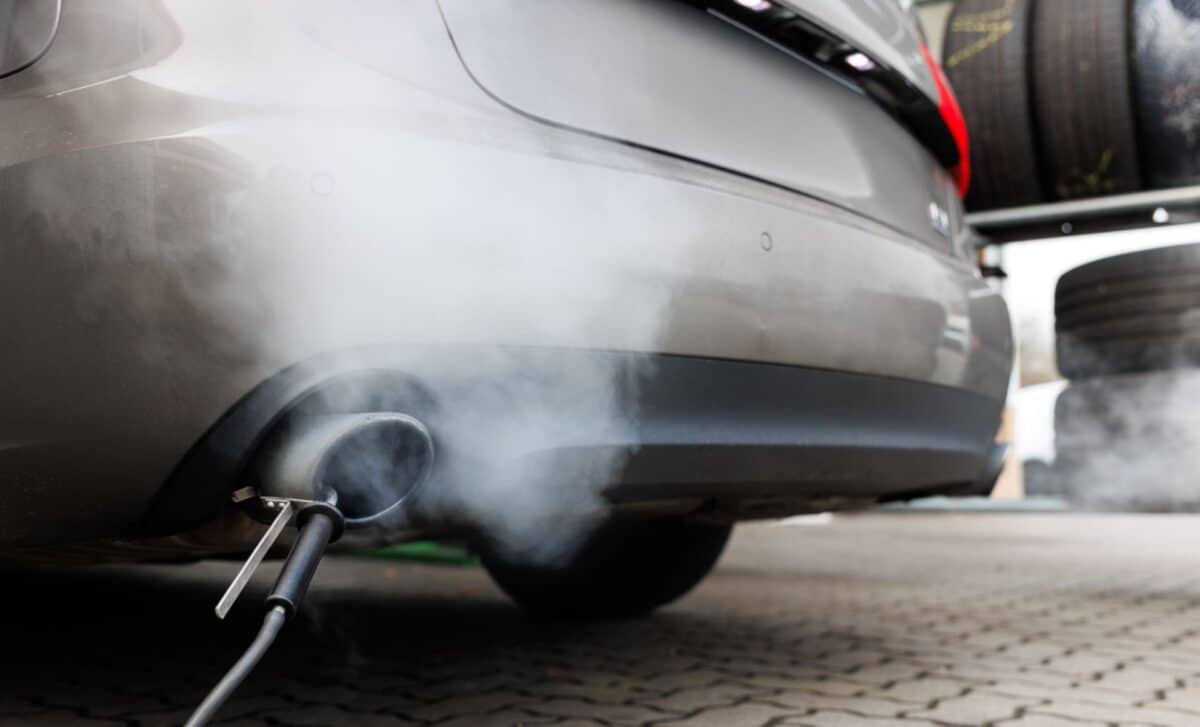
According to HMRC, businesses must determine the appropriate road fuel charge by using a vehicle’s CO₂ emissions figure and the length of the relevant VAT accounting period. The rates range from £657 for vehicles emitting 120g/km of CO₂ or less over a 12-month period, to £2,297 for vehicles emitting 225g/km or more.
New Rates Apply across Emissions Bands
The revised scale charges are divided into several CO₂ emissions categories. For vehicles emitting 120g/km or less, the charge is set at £657 for a 12-month period, £163 for a three-month period and £54 for a one-month period.
Charges then increase gradually as emissions rise. Vehicles in the 125g/km to 150g/km range attract annual charges between £983 and £1,314. For example, a vehicle emitting 140g/km is subject to a charge of £1,182 over 12 months, while a vehicle emitting 150g/km is charged £1,314.
The next emissions category, covering 155g/km to 180g/km, carries annual charges ranging from £1,377 to £1,708. A vehicle emitting 175g/km falls within a 12-month charge band of £1,640, while a vehicle emitting 180g/km is charged £1,708.
According to HMRC, vehicles emitting between 185g/km and 220g/km face annual charges starting at £1,771 and rising to £2,233. The highest figure within this category applies to vehicles emitting 220g/km.
For vehicles emitting 225g/km or more, the annual charge is £2,297. The corresponding charges for three-month and one-month accounting periods are £574 and £190 respectively.
© Shutterstock
Guidance for Older Vehicles and Accounting Periods
HMRC has also set out guidance for vehicles that do not have an official CO₂ emissions figure. According to the department, businesses should identify the appropriate emissions band using engine size.
Where a vehicle has a cylinder capacity of 1,400cc or less, businesses should use CO₂ band 140. Vehicles with engines larger than 1,400cc but below 2,000cc should be placed in CO₂ band 175. Vehicles with engine sizes above 2,000cc should use CO₂ band 225 or higher.
The department also explained how businesses should calculate charges when a vehicle is not used for an entire VAT accounting period. HMRC stated that businesses should determine how much of the accounting period each vehicle was used for and record that amount as a percentage of the period. That percentage should then be applied to the relevant road fuel scale charge to produce the final figure.
According to HMRC, the revised rates have been in effect since 1 May 2026, and businesses are required to use the new scale charges from the start of the next prescribed accounting period beginning on or after that date. The updated bands cover accounting periods of one month, three months and 12 months, with charges determined by the vehicle’s emissions level or, where necessary, by engine size.