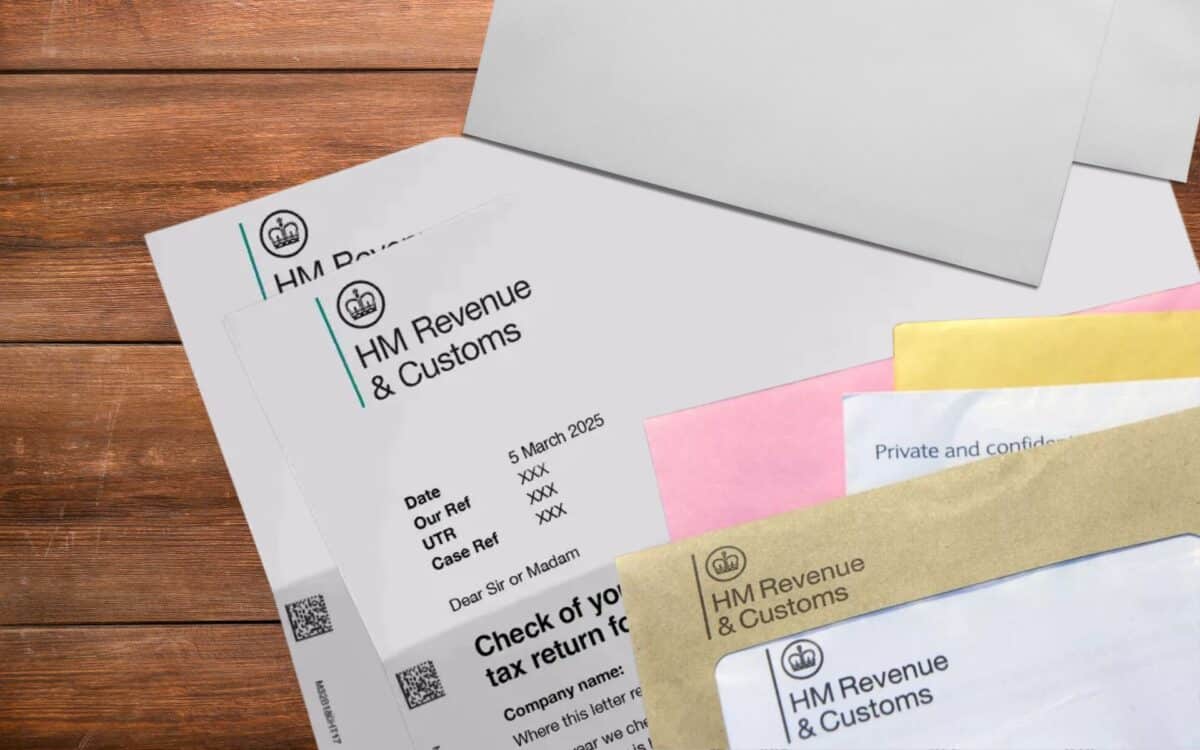
As the new tax year begins, a growing number of individuals with savings may soon find themselves facing unexpected tax bills from HMRC. With just £3,500 in savings, you could be hit with a demand letter, potentially altering your tax code and forcing you to pay more than expected. Here’s how these letters could affect you, and what steps you need to take to avoid costly surprises.
The Growing Risk of Unexpected Tax Bills
For millions of savers in the UK, interest on their savings accounts is an essential part of building financial security. However, as interest rates climb and more people open fixed savings accounts, HMRC has found a way to automate the detection of savings interest. If your interest earnings exceed the Personal Savings Allowance, you could find yourself automatically flagged for additional tax payments. And you don’t need to have a fortune in your account for this to happen.
HMRC says: “If you go over your allowance, you pay tax on any interest over your allowance at your usual rate of income tax.” This means that even modest savings can trigger unwanted tax demands if interest rates push you beyond the set limit.
Personal Savings Allowance: The Key to Avoiding Unexpected Tax Bills
The Personal Savings Allowance (PSA) allows people to earn up to a certain amount of savings interest tax-free. For individuals earning under £50,270, the threshold is £1,000 in interest. But what happens if your savings account grows and your interest exceeds this amount? Or if you’re a higher-income earner?
For individuals with income exceeding £50,270, the allowance drops to just £500. And for the highest earners, with salaries over £125,140, the allowance is completely eliminated. As a result, even relatively small amounts of interest, like those generated by £3,500 in savings, could be enough to push you into paying extra tax.
As explained by Express.co.uk, a £3,500 deposit at 5% interest for a three-year fixed account could easily push someone into the taxable zone. Fixed savings accounts crystallize interest when they mature, meaning that all the earned interest is reported in one go, even if it spans multiple tax years. This can result in a large lump sum being taxed all at once, leading to an unexpected tax bill.
The Role of Tax Codes in Managing Extra Tax Payments
If HMRC determines that you owe extra tax based on your savings interest, they may automatically adjust your tax code. This means that, instead of paying the tax manually, it will be deducted from your salary or pension each month. This system is designed to streamline the collection of taxes for individuals who are employed or receiving pensions.
“If you’re employed or get a pension, HMRC will change your tax code so you pay the tax automatically,” the government agency confirms.
This automatic adjustment means you may not realize the impact of the extra tax until you see it reflected in your monthly income.
To determine the correct tax code, HMRC will estimate your interest earnings for the current year, based on the interest you earned in the previous year. This forward-looking approach ensures that tax codes are updated ahead of time, but it also means you need to stay aware of your interest earnings.