Hundreds of thousands of UK residents could face HMRC fines exceeding £1,000 as earnings from social media and side hustles quietly push them beyond tax-free income thresholds. The increasing number of people generating additional revenue through platforms like TikTok and Instagram has raised concerns about compliance with existing tax regulations.
According to a recent report by BirminghamLive, many individuals may be unaware that non-salaried income, including promotional gifts or sponsored content, can create tax liabilities. While HMRC has issued guidance on these matters, a lack of awareness and poor record-keeping could expose casual earners to unexpected penalties in the coming months.
More Creators, More Audits: Hmrc Increases Scrutiny
Social media platforms like TikTok, Instagram, and YouTube have made it easier than ever to generate income outside of salaried work — whether through product collaborations, affiliate links, brand sponsorships, or gifted experiences. But these earnings, even if informal or irregular, are now firmly on HMRC’s radar.
According to Mitch Hahn, CEO of specialist influencer accountants at Nordens, many creators don’t realize that even non-monetary compensation can trigger tax obligations. In his words:
If you’re receiving products, experiences, or services in exchange for promotion, HMRC views it as taxable income.
This includes press trips, hotel stays, brand events, or gifted items — all of which must be logged and potentially declared if they cross specific value thresholds.
£1,000 Personal Allowance Doesn’t Mean Tax-Free Perks
A key rule that often catches creators by surprise is the £1,000 annual trading allowance. This threshold applies to all side income combined — from content creation, online sales, freelance work, or any gig economy activity.
Mitch Hahn explains:
If you earn from influencing alongside other jobs, HMRC looks at total income.
Side earnings of any kind can push you into higher tax brackets.
If you’re influencing on the side, you have a £1,000 personal allowance before you have to start paying tax.
Importantly, this threshold is not just for cash. If creators receive gifts valued at over £50, and those gifts are given in return for a post, video, or story, they must be reported, even if total income remains under £1,000. Hahn warns:
You’ll likely need to claim gifts you’ve received on your tax return if you:
• Earn over £1,000 from influencing in the tax year
• Receive gifts worth over £50
• Receive gifts in return for promoting services or products on social media.
January 2026 Deadline — And Heavy Fines for Non-compliance
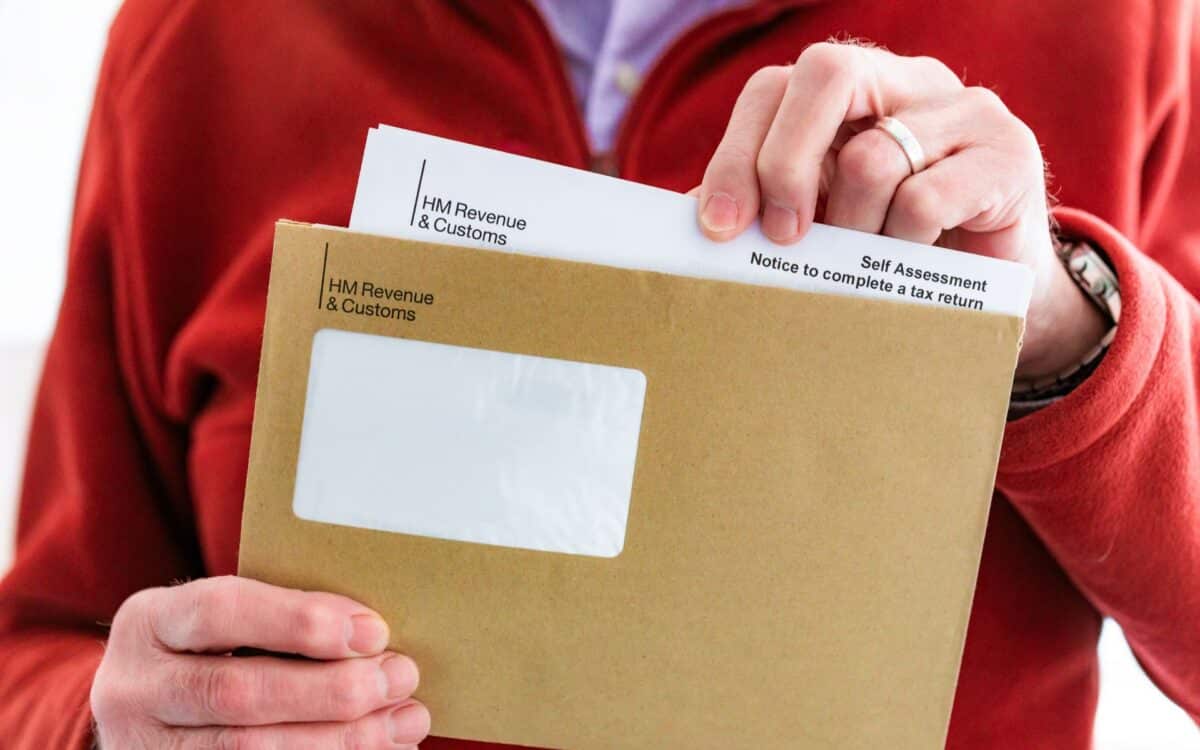
Anyone passing the threshold will be required to file a self-assessment tax return by January 2026. But for those who ignore the rules, HMRC is unlikely to turn a blind eye.
The tax authority has already begun issuing penalties to individuals who fail to declare this kind of income, with fines reported to exceed £1,000 in some cases. HMRC has described this as part of a broader clampdown on the hidden digital economy, and the agency is reportedly using data from social platforms to identify undeclared income.
While free products can feel like a perk of being an influencer, HMRC sees them differently – Hahn adds.
If a brand provides you with something and expects promotion in return, that gift is treated as a form of payment — meaning it’s taxable.
Record Keeping: No Longer Optional
The best defense, Hahn says, is good record keeping. That includes noting down cash payments, affiliate revenues, and the market value of gifts or experiences tied to content creation.
Good record-keeping habits help avoid surprises when it comes to tax season – he notes.
You can either use a spreadsheet or there are a number of apps that can help you keep things organised.
Failing to maintain accurate logs can result not only in financial penalties but also in interest charges or full-scale investigations — especially for repeat offenders.
A Warning to Casual Creators, Not Just Influencers
What’s critical to understand is that this doesn’t only apply to full-time influencers. Many people now earn small sums from social media or are sent products in exchange for visibility, even if their audience is limited.
Hundreds of thousands of Brits are at risk of fines – warns the original report — a figure that reflects the scale of side income in the UK.
HMRC makes no distinction based on follower count. Whether someone has 500 or 500,000 followers, the same tax rules apply if they are earning, receiving, or promoting in return for goods.