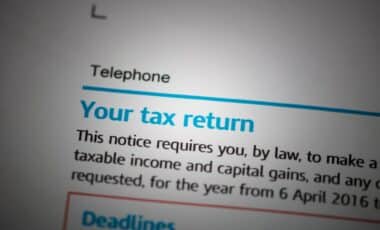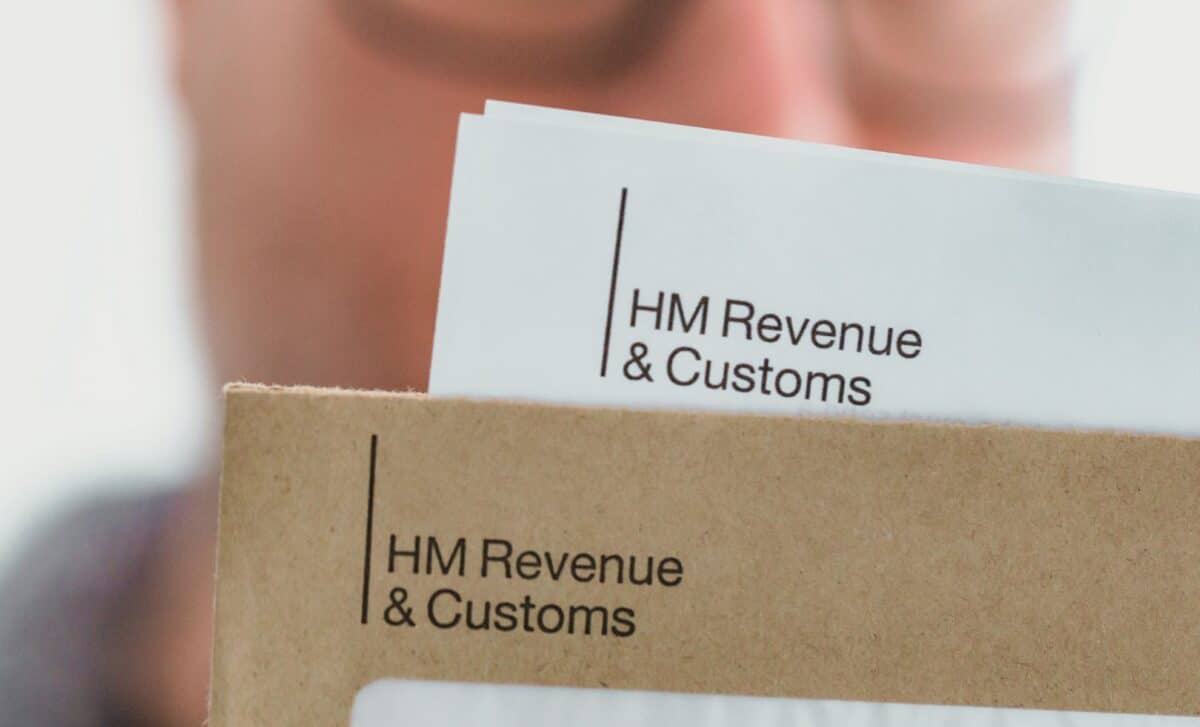
The notices, officially known as PA302 letters, are part of HMRC’s annual process for collecting tax from income sources that cannot be automatically adjusted through existing systems. Recipients are being advised to check the details carefully and pay any amount due by the deadline shown on their letter.
Why Taxpayers Are Receiving Simple Assessment Letters
Simple Assessment applies to taxpayers whose outstanding tax cannot be collected automatically. According to HMRC, letters may be sent when tax is due on sources such as savings interest, dividends, pension income or a second income that has not been taxed.
The process can also apply when someone has received more tax-free allowance than they were entitled to, or when the amount owed cannot be recovered through a tax code. HMRC states that this can include larger amounts, typically where at least £3,000 is owed.
The number of letters being issued has risen from 675,000 five years ago to around 1.8 million for the 2025/26 tax year. Factors linked to the rise include the freezing of the income tax personal allowance at £12,570, changes linked to the state pension triple lock, and higher interest rates since the COVID-19 pandemic, according to BirminghamLive.
Some taxpayers have already received their letters, while another group will receive correspondence between October and December 2026 relating to Bank and Building Society Interest (BBSI) data. Financial institutions provide this information to HMRC after the end of the tax year.
Myrtle Lloyd, HMRC’s Chief Customer Officer, said recipients should not ignore the letters. “If you receive a Simple Assessment letter and have tax to pay, please don’t ignore it,” she said, adding that payments can be made through the HMRC app.
What Recipients Need to Check Before Paying
People who receive a Simple Assessment notice should compare the figures in the letter with their own records before making a payment. According to the Institute of Chartered Accountants in England and Wales (ICAEW), taxpayers should contact HMRC if they believe the calculation contains an error or if they think the assessment should be withdrawn.
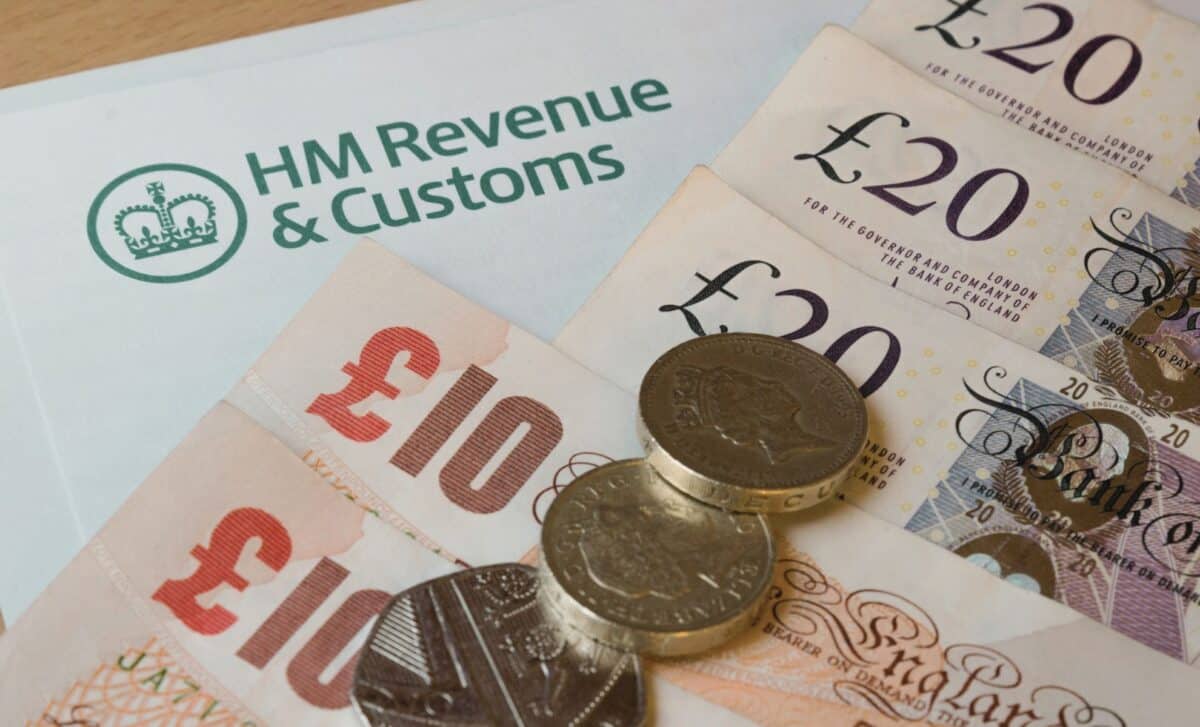
The tax authority says that Simple Assessment payments for the 2025/26 tax year are generally due by 31 January 2027, unless a different date appears on the letter. Payments can be made in full or through instalments and do not require the taxpayer to complete a tax return.
A second letter may sometimes be issued for the same tax year, particularly when additional information becomes available. HMRC explained that if someone has already paid the amount shown on an earlier Simple Assessment, they only need to pay any remaining balance shown in the updated calculation.
People who normally pay tax through PAYE and receive a P800 tax calculation letter may not need to make a separate payment, as HMRC can adjust their tax code to recover the amount owed. The letters are sent by post or can appear in a customer’s Personal Tax Account online. HMRC advises customers who are unsure about a letter’s authenticity to use the official checking service on GOV.UK before taking action.