People aged 40 and over could be asked to pay an additional 1p in income tax to help fund future social care, under a proposal being examined by government officials. The plan, drawn up by consultancy LCP, could raise around £3.5 billion a year while giving contributors a discount on future care costs.
Proposal Would Cover 23 Million Taxpayers
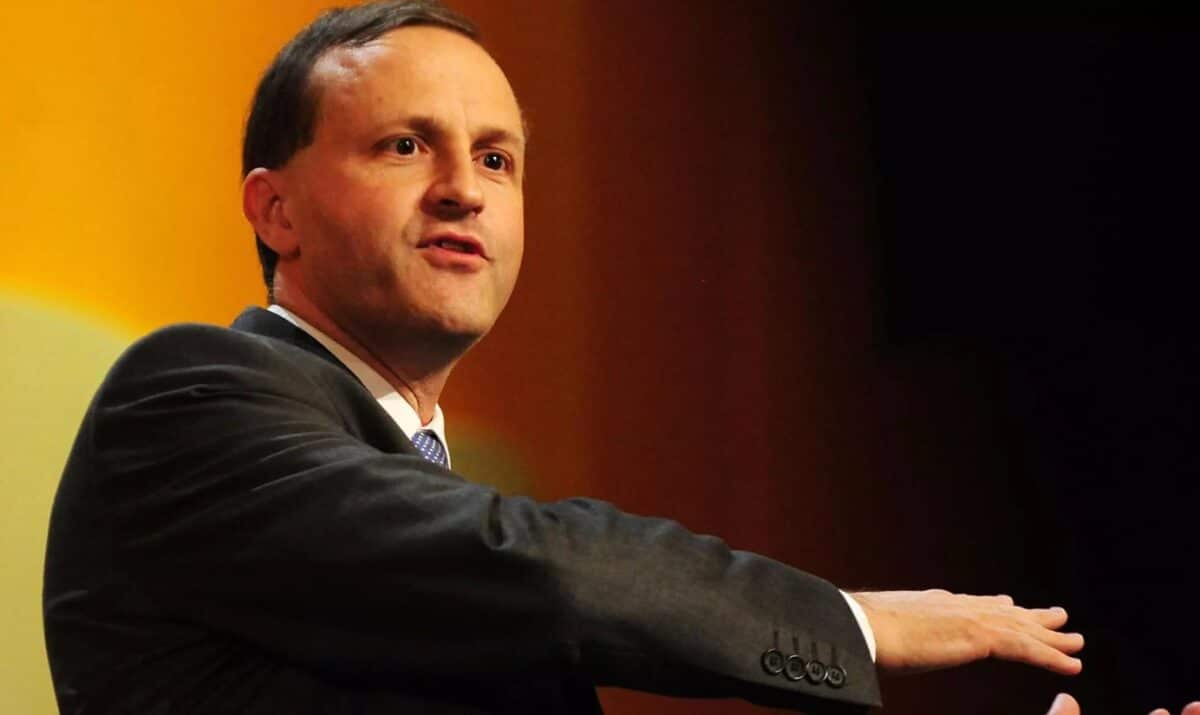
Former pensions minister Sir Steve Webb has called for around 23 million taxpayers to be automatically enrolled in the proposed scheme. That figure includes around 14.3 million working-age people and 8.6 million pensioners.
Under the proposal, people aged 40 and above would pay an additional 1p in income tax. Sir Steve estimates that this would cost around £31 a month. Participation would be voluntary, with taxpayers able to opt out.
Contributions Could Reduce Future Care Bills
LCP estimates that people who contribute for 25 years could eventually receive a 100% discount on their social care costs. Each year of contributions would earn a four-percentage-point reduction in future care charges.
The proposal is designed to reduce the need for people to use their savings or sell their homes to cover care in later life. Government figures suggest that one in seven people aged 65 or over could face care costs exceeding £100,000.
Levy Could Raise £3.5 Billion a Year
According to LCP modelling, the proposed levy could raise around £3.5 billion annually, even after accounting for people who choose to opt out, reports Telegraph.
The consultancy argues that the revenue could help finance changes to social care while also creating a system through which contributors receive support with future care costs.
The proposal would also be separate from ordinary income tax increases because participation would be voluntary.
Plan Comes Amid Pension Changes
The proposal comes as the government considers changes to the state pension triple lock. The current system guarantees an annual state pension increase based on whichever is highest among inflation, average earnings growth or 2.5%.
Plans to loosen the link to earnings have been estimated by officials to save as much as £15 billion a year by 2040. Those savings have been discussed alongside plans for a national care service in England that would be free at the point of use.
Social Care Funding Remains Politically Sensitive
The proposal comes after previous attempts to change the way social care is funded triggered political controversy. Former prime minister Theresa May proposed increasing the threshold for state support to £100,000, with a person’s home included in the calculation.
People could have had care costs deferred until after their death where necessary. Labour criticised the proposal as a “dementia tax”, arguing that people requiring longer periods of care could face larger bills.
The plan was abandoned during the 2017 general election campaign, after which the Conservatives lost their parliamentary majority.
Current Means Testing Sets Strict Limits
Under the existing system in England, people with assets below £14,250 generally qualify for state support. Those with assets above £23,250 generally have to pay for their own care.
The proposed levy could be used to reduce reliance on these means-testing rules by giving people who have contributed for a sufficient period greater support with their care costs.
Government Has Yet to Decide
The LCP proposal remains under consideration and does not represent a confirmed tax change. Any new scheme would require decisions on its precise design, eligibility rules and relationship with existing social care funding.
For now, the proposal puts a potential 1p levy on the over-40s at the centre of a wider debate about how England should fund care as people grow older.