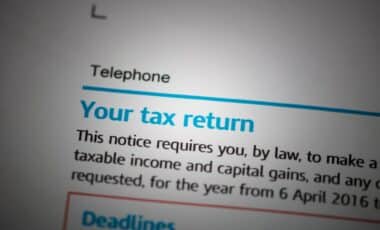
Millions of people earning money outside their main job are being encouraged to review their tax position after HM Revenue & Customs (HMRC) introduced an updated online checking tool. The service is designed to help individuals determine whether they need to complete a Self Assessment tax return for the 2025-26 tax year.
The move comes as more people generate income through freelance work, online selling, rental activities, and other side hustles. According to HMRC, anyone uncertain about their obligations can use the online checker to assess whether they need to submit a return.
The updated guidance arrives alongside renewed attention on the £1,000 threshold that applies to certain self-employed income. HMRC has also clarified separate rules affecting savings interest, including the personal savings allowance available to many pensioners and other taxpayers.
HMRC Highlights Reporting Rules for Side Hustles and Additional Income
According to HMRC, people may need to complete a Self Assessment tax return if they have recently become self-employed, started receiving rental income, entered a business partnership, or earned more than £1,000 from side hustles during the relevant tax year.
The online checker covers the period from April 6, 2025, to April 5, 2026, and asks users a series of questions about their income and personal circumstances. HMRC said the tool is free to use and does not transmit personal information to the tax authority.
The guidance specifically draws attention to individuals earning money through online platforms and informal work arrangements. These may include people selling goods through websites such as eBay, Vinted, Etsy, and Depop, particularly where items are purchased for resale rather than being unwanted personal possessions.
Other examples identified by HMRC include dog walkers, babysitters, cleaners, gardeners, delivery drivers, taxi drivers, tutors, fitness instructors, and tradespeople carrying out work in addition to their primary employment. Content creators, influencers, YouTubers, affiliate marketers, and freelancers working in fields such as photography, graphic design, writing, web design, and consultancy may also be affected.
According to HMRC’s “Tax Help for Side Hustles” campaign, the £1,000 allowance applies across all side-hustle activities combined rather than separately to each source of income. The authority also stresses that individuals are responsible for maintaining accurate records of income, sales, and business expenses.
Tax Authority Also Clarifies Savings Interest Rules for Pensioners
Separately, HMRC recently responded to questions about how tax on savings applies to pensioners. The clarification followed a query from a state pension recipient asking whether pensioners are exempt from tax on the first £1,000 of interest earned from savings.
According to HMRC, pensioners are subject to the same savings tax rules as other taxpayers. The authority stated that basic-rate taxpayers can earn up to £1,000 in savings interest each year without paying tax under the Personal Savings Allowance.
Higher-rate taxpayers receive a £500 allowance, while additional-rate taxpayers do not qualify for a Personal Savings Allowance. HMRC also noted that low earners may be eligible for the starting rate for savings, which can allow up to £5,000 of savings interest to be received tax-free if income remains below specified limits.
HMRC has emphasized that failing to register for Self Assessment or report taxable income when required can result in penalties and interest charges. The authority said its updated checker is intended to help people understand their obligations and avoid unexpected tax bills as filing deadlines approach.