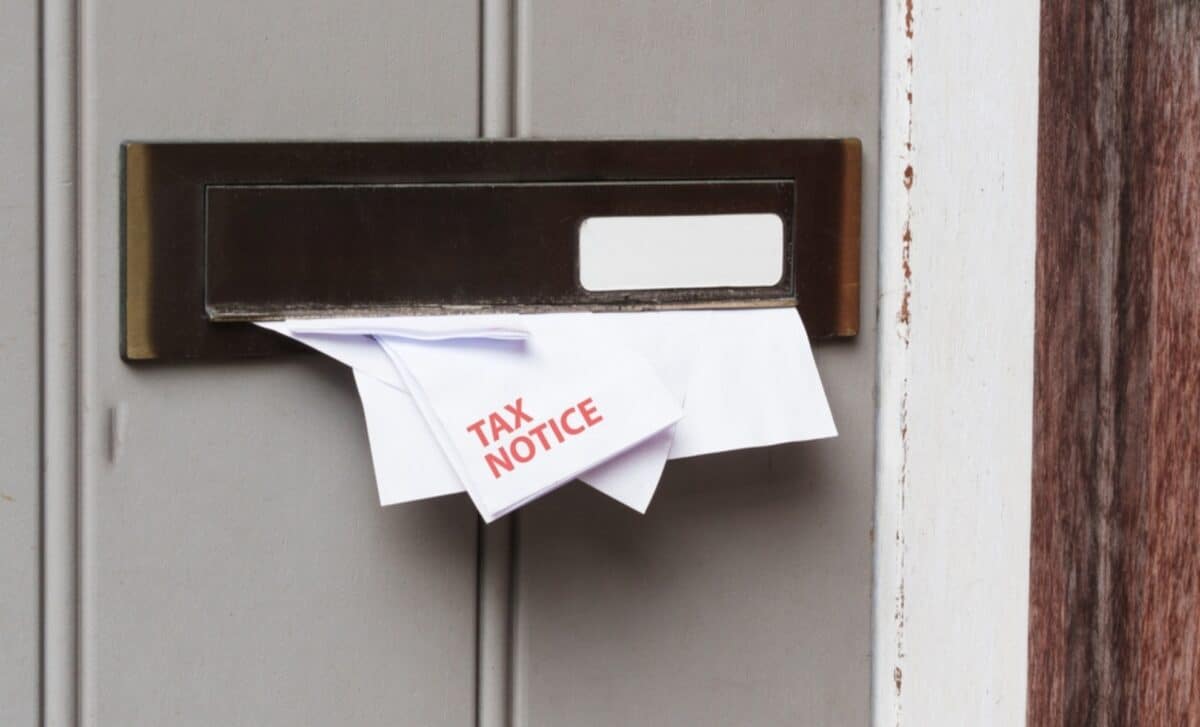
Thousands of Brits could face unexpected tax bills from HM Revenue and Customs (HMRC) if they miss an approaching deadline. The July 31 date applies to anyone required to make payments on account as part of their Self Assessment tax return.
Who Is Most at Risk
Tax experts warn that four groups are particularly vulnerable: those who freelance, earn rental income, have side hustles, or hold second jobs. While many taxpayers file their returns early, these groups often overlook the advance payments required for the next year’s tax bill.
Payments on account are essentially advance installments toward next year’s tax liability. For those encountering them for the first time, they can be confusing and financially challenging, especially when taxpayers assume that filing early means the issue is already handled.
Early Filing Masks the Problem
HMRC data shows that 737,891 taxpayers completed their Self Assessment returns in April 2026, with 86,270 filing on Easter Monday alone. However, early submission statistics hide a persistent problem. Many self-employed workers and business owners fail to plan for payments on account, which can double the shock of the bill when it arrives.
Simon Thomas, managing director of Ridgefield Consulting, explains that the issue is often cash flow rather than compliance. Many people aren’t breaking the law; they simply haven’t accounted for how the payments on account system works.

Common Taxpayer Mistakes
Rachel Harris points out that taxpayers often follow the same cycle each year: filing early in January, then ignoring their finances for the rest of the year. When the HMRC bill arrives months later, it comes as a surprise. Experts warn that ignoring deadlines or delaying payments can create penalties and additional stress.
Advice From HMRC
Myrtle Lloyd, HMRC’s Chief Customer Officer, emphasizes that staying on top of finances throughout the year can reduce pressure and prevent unexpected bills. Filing early and monitoring payments allows taxpayers to plan ahead and manage cash flow more effectively.
Experts recommend that anyone receiving a Self Assessment bill for the first time carefully review their payments on account. Keeping track of earnings, savings, and tax obligations can prevent surprises and ensure that the HMRC deadline is met without disruption.

Planning Ahead
The July 31 deadline is not just a formality—it represents a critical moment for self-employed workers, landlords, and side-hustlers to avoid penalties and interest charges. Being proactive can make a significant difference in managing finances and reducing stress.
By understanding payments on account and planning throughout the year, taxpayers can avoid unexpected bills, maintain smooth cash flow, and focus on their businesses or personal projects without financial shocks.