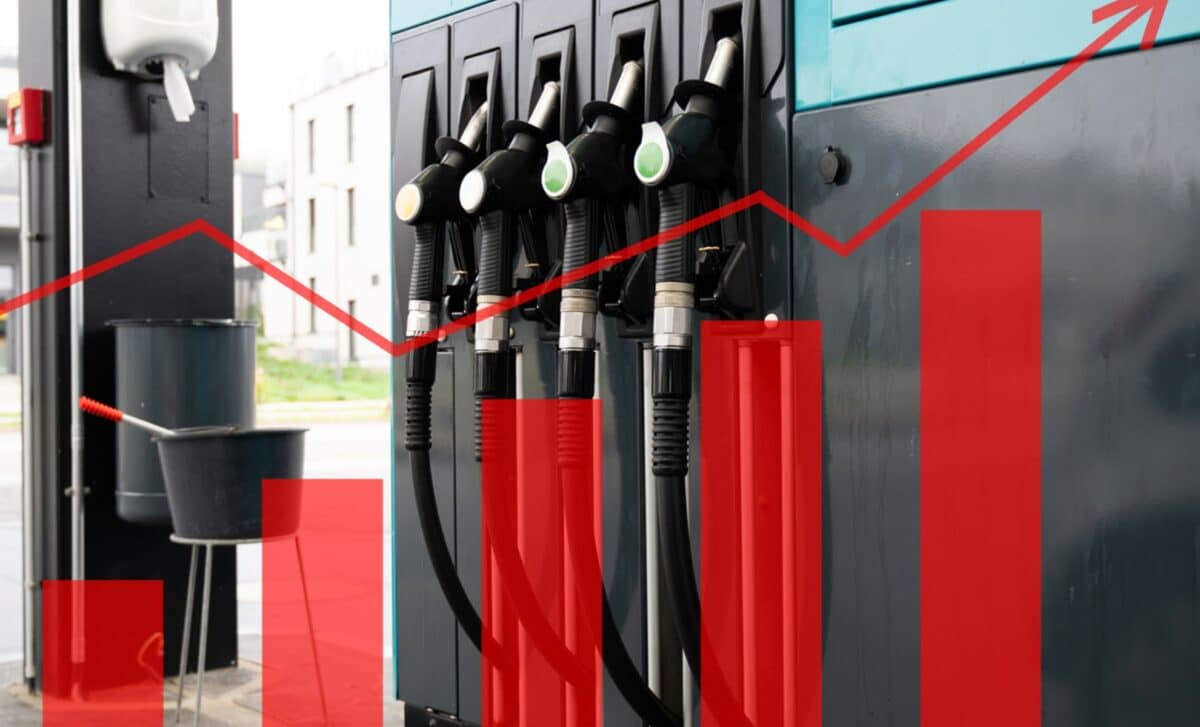
Fuel costs across the UK have climbed in recent weeks, with new figures showing where drivers can still find the lowest prices. Supermarkets remain among the most competitive retailers, though differences between brands are narrowing. The increases come against a backdrop of geopolitical instability affecting global oil supply, with motorists now paying noticeably more at the pump than earlier this year.
Rising prices have been linked to escalating tensions in the Middle East, which have disrupted key oil trade routes and contributed to higher wholesale costs. Around 20% of the world’s traded oil passes through the Strait of Hormuz, making any disruption there particularly significant for global markets.
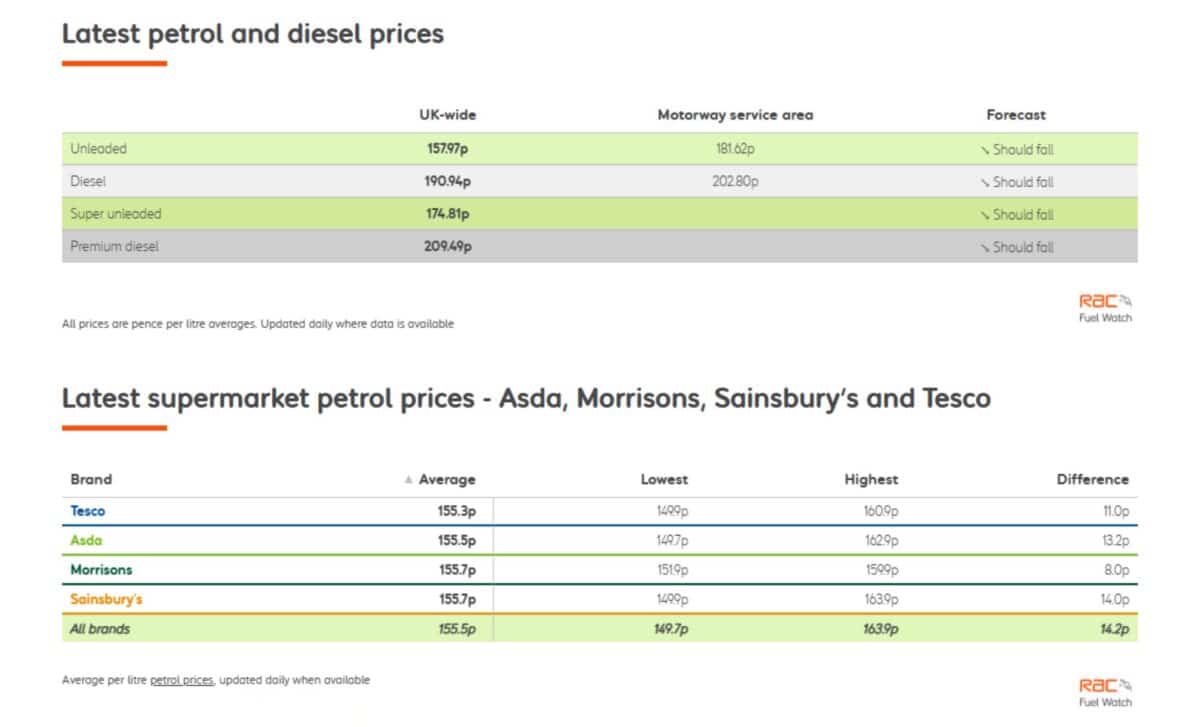
According to RAC Fuel Watch, average UK petrol prices reached 158.31p per litre on Friday, while diesel stood at 191.54p per litre. These figures highlight a steady upward trend since the conflict began six weeks ago.
Supermarkets Remain the Cheapest Option for Petrol and Diesel
Supermarket forecourts continue to offer the lowest prices compared with branded fuel retailers, though the gap is relatively small. Tesco recorded the lowest average petrol price at 155.3p per litre, closely followed by Asda at 155.5p. Morrisons and Sainsbury’s were slightly higher, both averaging 155.7p per litre, according to RAC Fuel Watch. While the difference between supermarkets is minimal, these marginal savings can add up for frequent drivers.
Outside the supermarket sector, prices vary more widely. According to the same dataset, Essar offered petrol at 153.9p per litre, making it the lowest among listed brands. At the other end of the scale, Shell recorded an average of 162.6p per litre, with BP also among the more expensive options at 160.5p.
Diesel pricing follows a similar pattern. Tesco again emerged as the cheapest supermarket, with an average of 181.1p per litre, while Asda stood at 182.1p. Morrisons and Sainsbury’s were higher at 183.0p and 183.2p respectively. Among non-supermarket retailers, diesel prices ranged from 187.9p per litre at Essar to 196.5p at Shell, according to RAC Fuel Watch data published on Friday.
Geopolitical Tensions Drive Sustained Increases in Fuel Costs
The recent rise in fuel prices has been closely tied to escalating tensions in the Middle East. Ongoing military activity in the region has contributed to instability, with retaliatory strikes and attacks reported across multiple areas.
These events have had a direct impact on global oil supply chains. According to reported figures, the Strait of Hormuz, a critical maritime route, has been affected, with Iran moving to close the passage. This has disrupted the flow of oil, contributing to increased wholesale prices that are now filtering through to consumers.
The effect has been gradual but consistent. UK drivers have seen petrol and diesel prices rise since March, reflecting the lag between global market shifts and retail pricing. According to RAC Fuel Watch, the current averages represent a noticeable increase compared with earlier in the year, though exact previous figures were not specified in the latest update.
For motorists, the immediate takeaway is clear: while supermarkets still offer the most competitive rates, broader market pressures continue to push prices upward. As long as supply disruptions persist, fuel costs are likely to remain elevated in the near term.