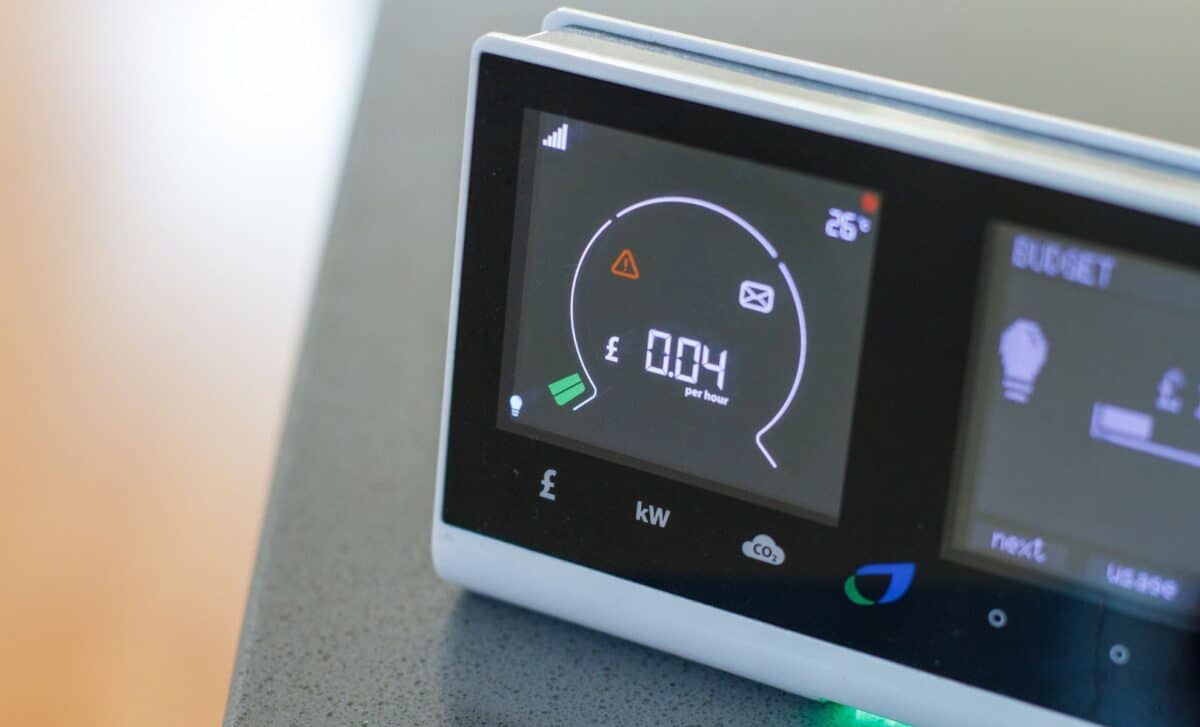
The forecast follows an already confirmed rise in household costs from October. Ofgem’s price cap is set to increase by 4%, taking the typical dual-fuel bill from £1,663 to £1,723 a year, after a 13% rise in July. The January outlook would therefore add another increase for households entering the winter period.
Wholesale Gas Prices Are Driving the January Forecast
The expected January rise is linked to higher wholesale energy prices, particularly gas. According to Bloomberg Economics, European energy prices have increased since the war in Iran began in late February, disrupting oil and gas supplies from the Persian Gulf.
UK month-ahead gas futures have risen by 150% since the conflict began, while the equivalent electricity contract has more than doubled. British gas prices have reached 203.28p per therm, their highest level since late 2022, according to reports cited by The Sun.
Martin Lewis also warned that the outlook for domestic energy bills had deteriorated as gas costs increased. Writing on X, he said the situation for UK household bills “really isn’t looking good” and noted that higher wholesale prices would feed into the January price cap.
Andrew Goodwin, chief UK economist at Oxford Economics, said the rise in wholesale gas prices had more than offset the saving from the removal of VAT from electricity bills between October and March. Oxford Economics estimated that the January price cap could rise by another 13%, based on wholesale prices during the relevant observation period.
Neil Kenward, Ofgem’s director general for markets, said high international gas prices were continuing to drive energy costs in the UK. He also said customers could find fixed tariffs priced £100 or more below the October price cap, while some suppliers offer cheaper off-peak electricity rates to smart-meter customers.
Government Considers Further Support as Bills Increase
The government is considering measures intended to reduce the impact of higher winter bills on households. According to The Telegraph, one option under discussion is an Energy Price Protection Payment that could take effect in January.
The reported scheme would apply to recipients of the Warm Home Discount and potentially to other households considered to need support. Claimants would need to receive benefits, although it remained unclear whether the measure would extend to an estimated additional 2.5 million households described as being in fuel poverty.
Separate reports also said the government was considering extending the £150 Warm Home Discount to people who do not currently qualify, potentially including some disabled people, carers and pensioners. Such measures could be announced in the October budget before taking effect during the winter.
Bloomberg Economics also forecast that higher energy costs could push UK inflation above 4% next year, compared with the Bank of England’s 2% target. The forecast places household energy costs within a wider period of pressure from rising wholesale prices, with the January price cap now expected to determine how much of that increase reaches consumers.