Millions of electric vehicle owners in the UK may face higher charging bills from 1 July as the energy price cap increases. New estimates suggest some motorists could pay between £20 and £50 more per year to charge their vehicles at home.
The change follows Ofgem’s decision to raise the maximum electricity unit rate for households on standard variable tariffs. Industry analysts and motoring experts say the increase will be felt most by drivers who rely on home charging and have not switched to specialist EV tariffs.
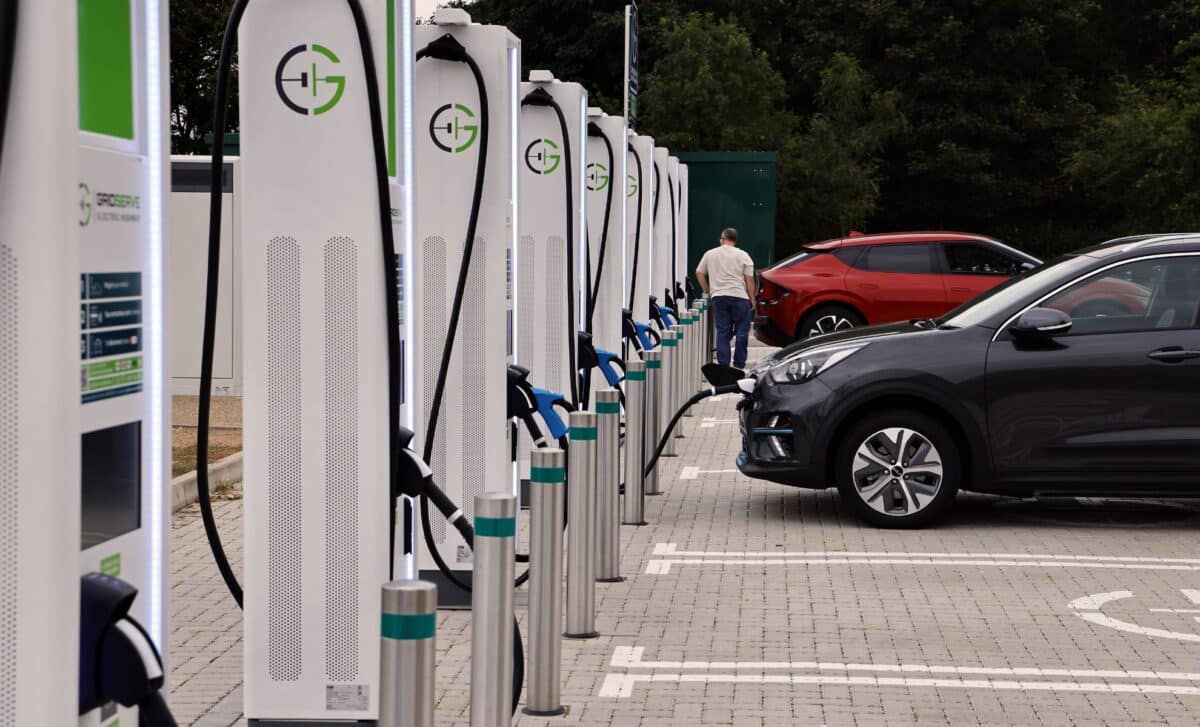
Electric vehicles now account for around two million cars on UK roads, making energy prices an increasingly important factor in everyday motoring costs. While the increase affects household electricity more broadly, charging an EV at home is expected to become more expensive for many motorists from the start of next month.
Ofgem Cap Increase Set to Raise Home Charging Bills
From 1 July, Ofgem will increase the electricity price cap for customers on standard variable tariffs from 24.67p/kWh to 26.11p/kWh. According to reports citing research by What Car?, the change could leave some EV owners paying noticeably more over the course of a year.
The publication estimates that annual charging costs could rise by between £20 and £50, depending on the vehicle and charging habits. According to What Car?, the BMW iX3 currently costs £26.82 to charge from empty to full, but this will increase to £28.38 under the new cap. Over a year, that represents an additional £52.12 in charging costs.
The same analysis found that charging a Renault 5 would increase from £11.35 to £12.01 per full charge, resulting in an extra £22.06 annually. Drivers of a Tesla Model 3 are also expected to pay around £1 more for a full charge compared with current rates.
John Wilmot, chief executive of car leasing company LeaseLoco, said the increase would affect motorists who charge their vehicles at home. He told reporters that the change reflects wider pressures in energy markets and encouraged drivers to pay closer attention to when they charge their vehicles.
Experts Urge Motorists to Make Use of Off-Peak Charging
Industry specialists say there are several ways motorists can reduce the impact of higher electricity costs. According to What Car?, drivers should consider dual-rate or EV-specific energy tariffs and schedule charging during off-peak periods whenever possible.
Many modern electric vehicles and home charging units allow users to programme charging sessions for specific times of day. What Car? noted that some smart energy products can automate this process, helping drivers access lower overnight rates without manual intervention.
The publication also advised motorists to compare tariffs and switch providers if better options are available. Workplace charging facilities were highlighted as another potential way to reduce reliance on home charging.
Similar advice has been issued by automotive platform Regit. According to the company, drivers looking to minimise the impact of the July price cap increase may benefit from moving away from standard variable tariffs altogether. Regit noted that some dedicated EV energy deals in the UK currently offer off-peak electricity rates as low as 7p/kWh.
With the revised price cap due to take effect on 1 July, the cost of charging at home is set to rise for many electric vehicle owners, although experts say tariff choice and charging behaviour could help limit the increase.