Burnham has acknowledged that the increase will be difficult for households and said the government’s decision to remove VAT from electricity bills would not be enough to stop prices rising. His administration has made reducing the cost of living a central focus of its first weeks in office, with measures described by Burnham as offering families some “breathing space”.
Opposition Attacks Labour Over Rising Household Bills
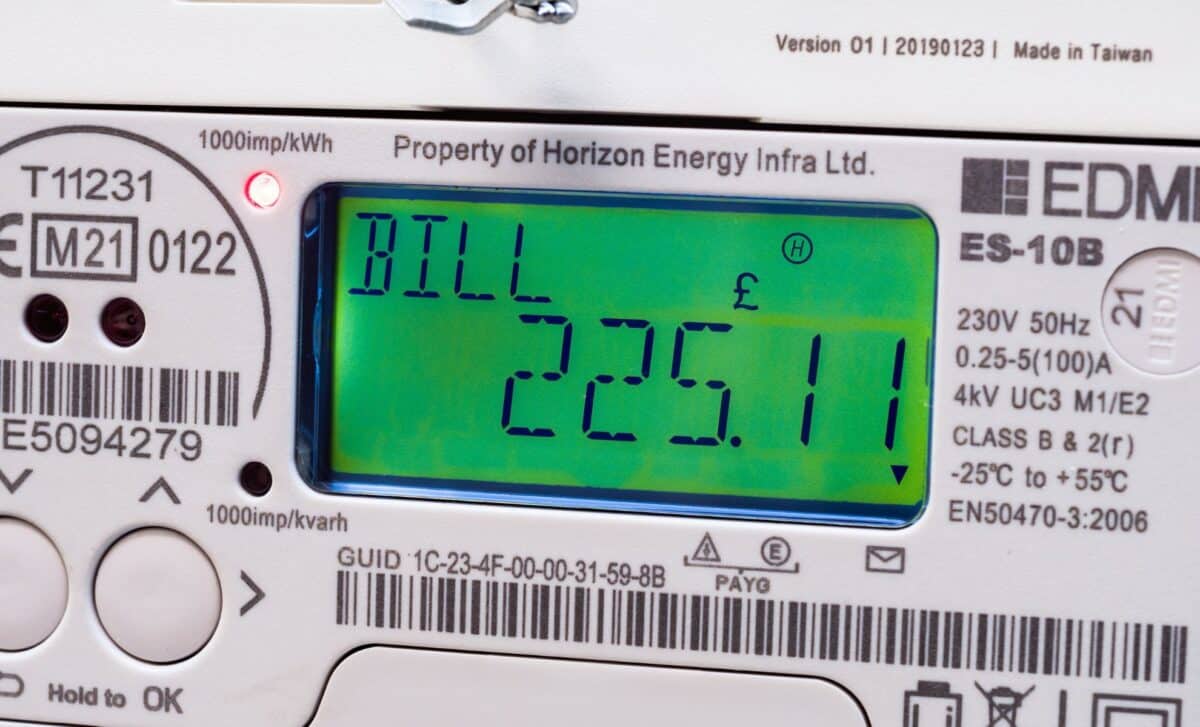
According to Ofgem, the energy price cap will increase by four per cent from October, bringing the average annual household bill to £1,723. The rise follows the regulator’s 13 per cent increase in July and has prompted criticism from Conservative figures who argue that Labour has failed to meet its commitment to reduce energy costs.
Shadow energy secretary Claire Coutinho said Labour had promised to cut household energy bills by £300 but claimed they had instead risen by nearly £400. She said the Conservatives’ proposed “cheap power plan” would remove government taxes and levies from bills without imposing a cost on taxpayers.
Shadow environment secretary Victoria Atkins also criticised the increase, describing it as “outrageous” and accusing the government of making “broken promises”. She said the winter fuel allowance had been important to constituents who relied on it to pay for heating oil.
Burnham, meanwhile, said the government understood the effect of the price cap increase but was acting with the measures currently available. “We’ll continue to look as we go forward at how we get energy prices down in the long term, and that’s what we need to do too,” he told reporters.
Further increases may follow. According to Cornwall Insight, the cap is expected to rise by another nine per cent to £1,872 per year from January, with high international gas prices showing little sign of easing.
Government Considers Further Changes to Energy Costs
The pressure on household bills is also being shaped by wider energy market conditions. Brent crude, the international benchmark for oil, has risen as high as $110 per barrel since the United States and Israel first launched strikes on Iran. Prices have since fallen to around $85 per barrel amid signs that peace negotiations are progressing, but they remain above the January level of about $60 per barrel.
According to Boston Consulting Group, energy bills are set to rise by £264 by 2035. The consultancy called on Labour to remove renewable energy levies from household bills and connect more data centres to the electricity grid to increase demand and help reduce prices.
Energy secretary Miatta Fahnbulleh has indicated that ministers could also consider removing so-called policy costs from energy bills. She said electricity VAT would be cut from October and argued that the measure had limited the latest price-cap increase.
Fahnbulleh said the government had already removed £150 in costs from bills earlier in the year and would continue examining further measures to protect households from unaffordable energy costs. Burnham has similarly said ministers will keep considering ways to reduce prices over the longer term as households prepare for another increase from October.