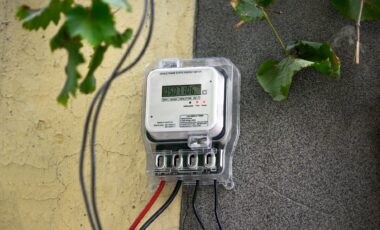
The forecast also complicates the government’s attempt to ease household finances by removing VAT from electricity bills from October. That measure was expected to reduce average annual bills by £45, but recent movements in wholesale energy markets are now expected to more than offset the saving.
Wholesale Gas Costs Drive the October Increase
According to Cornwall Insight, the Default Tariff Cap is forecast to rise by 4% from October, increasing from £1,663 to £1,729 a year for a typical dual-fuel household paying by direct debit under Ofgem’s new consumption assumptions. Under the regulator’s previous definition of typical domestic consumption, the equivalent annual figure would rise from £1,862 to £1,940.69. The amount households actually pay still depends on how much gas and electricity they use, rather than the headline annual cap alone.
Electricity unit rates are forecast to rise from 26.11p per kilowatt hour to 26.57p, while gas rates are expected to increase from 7.33p to 7.90p. Cornwall Insight lists average daily standing charges of £0.55 for electricity and £0.31 for gas.
The consultancy attributes the increase mainly to uncertainty surrounding the US-Iran conflict and its effect on global gas markets. Wholesale prices for the coming winter have risen to their highest level in almost four years, while European gas storage levels remain historically low for this point of the year.
Reuters reported that disruptions to shipping in the Middle East and liquefied natural gas exports from Qatar have added to pressure on international gas prices. Strong Asian demand for LNG, extended Norwegian offshore production outages and greater European gas use for electricity generation during heatwaves have also contributed.
Cornwall Insight said these wholesale market movements have outweighed the government’s decision to remove the 5% VAT charge from household electricity bills from 1 October. The tax change does not apply to household gas costs.
Higher Bills Add to Pressure on Household Finances
The expected October rise follows a 13% increase in Ofgem’s household energy price cap that took effect on 1 July. According to the BBC’s reporting on Office for National Statistics figures, that earlier increase helped push UK inflation to 2.9% in the year to July, up from 2.6% in June.
Craig Lowrey, principal consultant at Cornwall Insight, said the latest forecast showed how exposed British household bills remain to developments in international energy markets. “Rising energy bills aren’t welcome at the best of times, but with winter approaching, this latest hike will hit struggling households especially hard,” he said.
Lowrey also said Britain’s reliance on imported natural gas leaves consumers exposed to global price shocks, while temporary measures such as VAT reductions can only soften their immediate impact.
The government said its response includes the electricity VAT cut, the £150 Warm Home Discount for around six million households this winter and measures under its Warm Homes Plan intended to make homes cheaper to run. Ofgem is due to publish the final October price cap on 26 August. Cornwall Insight’s £1,729 figure remains a forecast until the regulator formally sets the new level.