
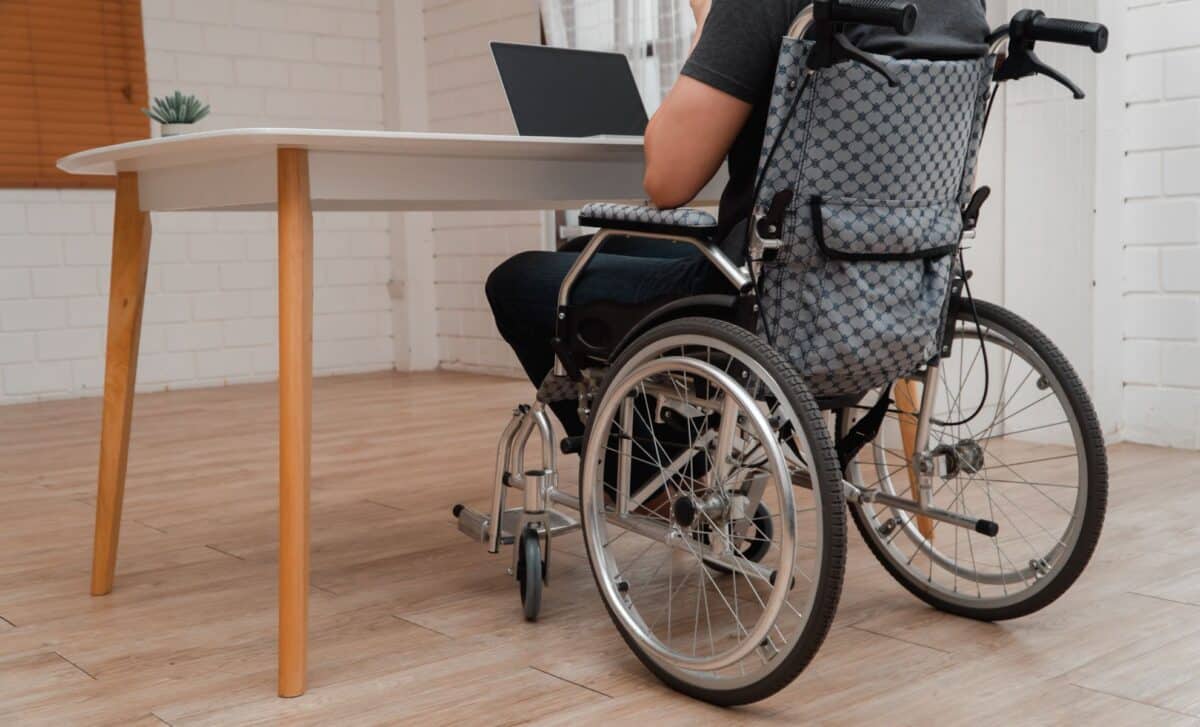
People receiving Personal Independence Payment (PIP) could be offered additional one-off payments for specific disability-related expenses under proposals being discussed as part of a wider debate over benefit reform. The suggested approach would help cover purchases such as specialist equipment and adaptations, while retaining regular financial support.
The proposals come as the Government prepares to receive the final recommendations of the Timms Review in November 2026. The review is examining how PIP supports people with long-term health conditions and disabilities, including those living with anxiety, depression, ADHD and autism.
One-Off Payments Could Help Cover Specific Disability Costs
According to the Resolution Foundation’s October 2026 report, Hard truths: Rethinking Personal Independence Payment, additional payments could be introduced to help claimants meet certain non-recurring expenses. The thinktank recommends a cash payment covering reasonable costs for individual purchases, subject to an upper limit. Such payments would sit alongside regular awards rather than replace them.
Its research found that 30 per cent of recipients reporting additional disability-related costs faced expenses for aids or appliances. Another 22 per cent reported costs associated with adaptations to their homes or vehicles. The Foundation estimates that 28 per cent of people eligible for an award under its proposed system would receive this additional payment at some point during their claim.
Questions remain over whether payments linked to documented expenses would work fairly for people unable to afford purchases upfront. Rebecca Lamb, external relations manager at Money Wellness, told the Mirror that a receipts-based system would disadvantage claimants with limited financial resources. She explained that someone unable to afford additional heating would have no corresponding bill to demonstrate their need, despite their disability potentially requiring a warmer home.
Financial expert Hannah Martin, founder of Rich Retiree, also warned that requiring receipts could create administrative difficulties and prove distressing for claimants documenting personal treatments. The Resolution Foundation nevertheless supports retaining regular cash payments as the central element of a reformed system, allowing recipients to decide how best to meet their changing needs.
Anxiety, ADHD and Autism Feature in the Wider PIP Review
The proposed changes come amid renewed attention to the experiences of claimants with mental health and neurodevelopmental conditions.
According to the Resolution Foundation, 89 per cent of surveyed PIP recipients with ADHD reported additional disability-related costs, compared with 87 per cent of those with back pain and 94 per cent of those with arthritis. The research also found that fewer than one per cent of recipients reported having only anxiety, ADHD or autism, indicating that claimants reporting these conditions generally experience other health difficulties.
Money Wellness highlighted expenses that are not always immediately apparent, including taxis when public transport is difficult to use, food deliveries when preparing meals becomes challenging, and equipment addressing sensory needs.
Existing PIP awards remain divided into daily living and mobility components, each available at standard and enhanced rates. Daily living payments currently range from £76.70 to £114.60 weekly, while mobility payments range from £30.30 to £80.00. The maximum combined award is £194.60 per week.
The Department for Work and Pensions has not announced the proposed one-off payment arrangement as government policy. The Timms Review’s interim report, published in July, acknowledged widespread concerns about assessments and described the existing system as no longer fit for purpose. Its final recommendations are expected in November 2026.