
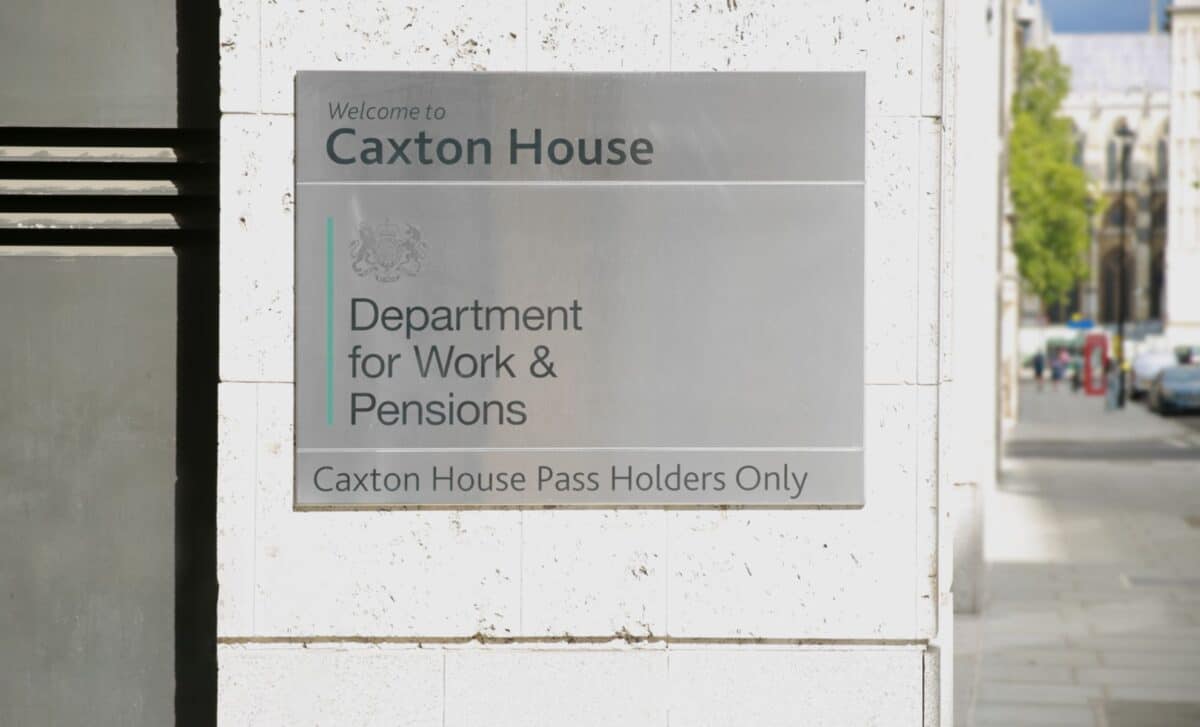
Nearly 200 workplaces have now joined the government’s “Keep Britain Working” programme as Vanguard employers. According to the Department for Work and Pensions (DWP), the scheme focuses on earlier support, improved workplace practices and closer collaboration between employers, health services and disability organisations, while remaining voluntary rather than compulsory.
The latest measures introduce new systems for monitoring workplace health and aim to provide more personalised support before employees are forced to leave their jobs because of illness. At the same time, the plans have prompted continued discussion about the balance between increasing employment and protecting the rights and choices of disabled people.
New Workplace Measures Focus on Earlier Intervention
According to the DWP, the programme now brings together more than 250 employers, NHS organisations, local authorities and disability groups to test different ways of supporting employees before health conditions lead to long-term absence from work.
A central feature of the latest plans is the creation of a Workplace Health Intelligence Unit. The government said the unit will collect standardised information on sickness absence, return-to-work rates and disability participation across UK workplaces for the first time.
Ministers believe improved data, combined with earlier intervention and personalised plans designed to help people remain in work, could help address the fact that 2.8 million people are currently out of work because of long-term sickness.
Sir Charlie Mayfield, the former John Lewis chairman leading the initiative, said the current approach often provides support only after people become ill or encounter significant barriers. He said the focus should instead shift towards earlier action, better integration between services and a shared commitment to keeping people healthy and employed.
Sir Charlie also argued that employers should take a more active role in workplace health rather than leaving responsibility entirely with the NHS or the benefits system. He described the programme as an opportunity that could benefit employers, improve life chances and reduce government spending without requiring substantial upfront investment.

Government Says Programme Is Voluntary as Debate Continues
According to the DWP, the Keep Britain Working programme is one element of the government’s broader £3.5 billion employment support package. The wider initiative includes expanded WorkWell services, the Connect to Work programme and more than 1,000 specialist advisers who help disabled people and those living with long-term health conditions stay in employment.
Work and Pensions Secretary Pat McFadden said businesses across different sectors and regions had responded positively to the programme. He said employers wanted to improve support for their workforce and that the initiative would provide a national framework, better data and greater accountability.
Health Secretary James Murray said the government wanted to move beyond a system centred on issuing fit notes. He said many people need practical help to stay in work or return safely rather than receiving documentation without additional support.
Supporters of the programme argue that good work can improve health outcomes, reduce isolation and help prevent people from leaving the labour market permanently. Business leaders involved in the initiative have also pointed to earlier intervention, better-trained managers and more flexible workplace adjustments as ways to prevent short-term sickness becoming long-term absence.
According to reports, disability campaigners have expressed concerns that policies intended to increase employment should not place additional pressure on people whose health limits the work they can do. According to the government, the programme is centred on voluntary support, prevention and improved workplace practices rather than requiring people to return to employment.