
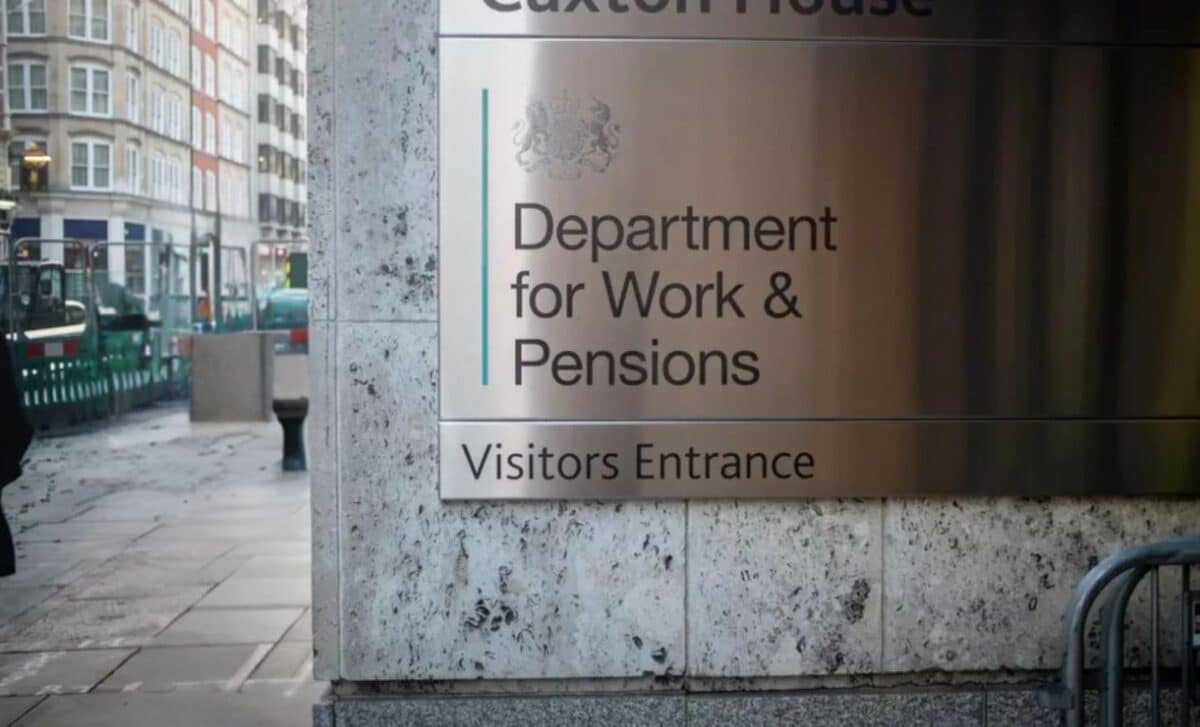
The figures were published following a parliamentary question from Conservative MP Neil O’Brien, who requested a breakdown of the conditions recorded over the past five years. They show substantial increases in several categories, including anxiety, depression and broader mental health problems, although the department has warned against interpreting the figures as a direct increase in the number of people receiving health-related benefits.
DWP Figures Reveal Increases Across Mental Health Conditions
According to the Daily Record, the figures were provided by Minister for Social Security and Disability Sir Stephen Timms in response to a written parliamentary question submitted by Neil O’Brien, the Conservative MP for Harborough, Oadby and Wigston.
The data shows that the number of Universal Credit LCWRA claimants recorded as having anxiety and depression rose from 130,700 in March 2022 to 359,100 in March 2026. Over the same period, the broader category of mental health problems increased from 184,900 to 733,400.
The latest figures, covering March 2026, identify the following 10 most frequently recorded conditions:
- Autism: 19,000
- Depression: 41,500
- Drug misuse: 16,200
- Mental health problem: 733,400
- Attention Deficit Hyperactivity Disorder (ADHD): 19,300
- Anxiety: 31,900
- Post Traumatic Stress Disorder (PTSD): 13,700
- Alcohol misuse: 26,100
- Learning difficulties: 17,400
- Anxiety and depression: 359,100
The figures relate specifically to claimants assessed as having limited capability for work and work-related activity, rather than everyone receiving Universal Credit.
According to the DWP, part of the increase reflects the transfer of existing claimants from older benefits, particularly income-related Employment and Support Allowance (ESA), onto Universal Credit.
The department therefore cautioned that the recorded increases should not be treated as equivalent rises across the wider health-related benefits system.
How Work Capability Assessments Record Mental Health Conditions
The figures come from medical information recorded during Work Capability Assessments, which examine how a claimant’s health condition affects their ability to undertake work-related activities.
According to the Birmingham Mail, Sir Stephen Timms explained that the conditions listed are options assessors can select during an assessment. They fall within the ICD-10 classification covering mental and behavioural disorders.
The DWP clarified that an LCWRA recommendation is established when a claimant meets at least one relevant qualifying descriptor. Each descriptor is assessed on a met or not met basis. This means an assessment can be completed before every medical condition affecting a claimant has been discussed or recorded.
The department also explained that individuals may have several conditions documented during the same assessment. Consequently, a claimant can appear in more than one category, while the records do not identify a primary medical condition.
Some claimants who receive decisions without undergoing a full Work Capability Assessment have no medical condition information recorded in this dataset.
All figures have been rounded to the nearest 100 and were produced through a bespoke analysis of departmental records. They have not been certified as official statistics.
People assessed as having LCWRA are generally not required to seek employment or prepare for work. Depending on the rules applying to their claim, eligible individuals may also receive an additional monthly amount through Universal Credit.
The assessment focuses on how a health condition affects a person’s ability to carry out activities, rather than relying on a medical diagnosis alone.