Millions of older people across England and Wales are approaching the 2026 Winter Fuel Payment window, with eligible recipients due to receive between £100 and £300 to help cover heating bills. The Department for Work and Pensions (DWP) has confirmed that most payments will reach bank accounts in November or December 2026.
DWP Confirms Two-Month Window for Winter Fuel Payments
According to the Liverpool Echo, which reported the latest government guidance on November 1, the DWP expects most eligible households to receive their Winter Fuel Payment before the end of December.
The annual payment provides financial support during the colder months, when household heating costs typically rise.
Unlike benefits paid weekly or monthly, the Winter Fuel Payment is issued as a single annual lump sum. Most recipients do not need to submit a new application or contact the DWP to arrange payment.
The money is generally transferred automatically into the same bank account used for a person’s State Pension or other qualifying benefits.
The DWP has not announced a specific payment date for every recipient. Instead, the government has identified November and December as the main months in which payments will be distributed.

Who Qualifies for the Winter Fuel Payment in 2026?
Age is one of the main conditions determining eligibility.
Under the government’s published rules, people must have been born on or before June 27, 1960, to meet the age requirement for the 2026 payment.
The scheme covers eligible individuals in England and Wales, although entitlement also depends on personal circumstances and the applicable eligibility rules.
The DWP uses a specific seven-day period to assess those circumstances.
For 2026, this period runs from September 21 to September 27 and is officially known as the qualifying week.
A person’s circumstances during that week help determine whether they qualify and how much they may receive.
The payment ranges from £100 to £300, depending on the recipient’s date of birth and individual circumstances.
Meeting the age requirement alone does not necessarily guarantee entitlement, as other eligibility conditions can apply.
Pensioners Should Receive a Letter Before Their Payment
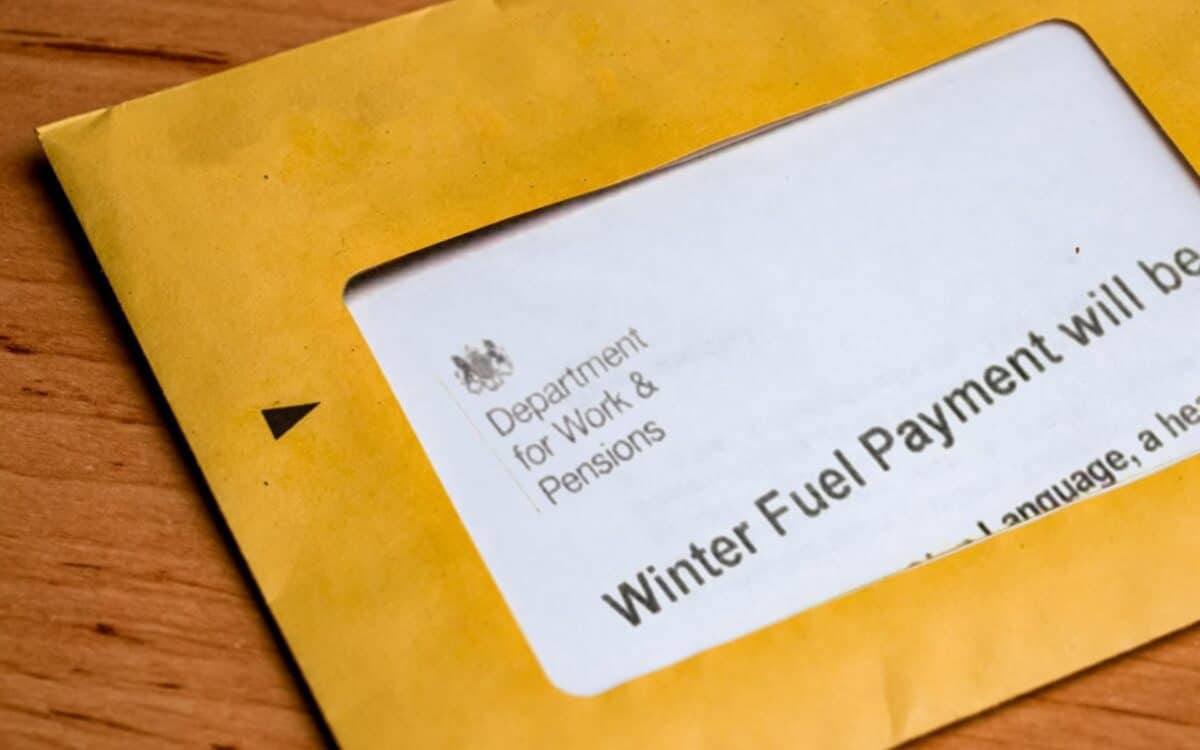
Eligible recipients should receive an official letter explaining their Winter Fuel Payment.
The notification will normally confirm two details:
- The amount the recipient is expected to receive.
- The bank account into which the money will be deposited.
For most people, the account will be the one already registered for their State Pension or other benefits.
This means recipients generally do not need to provide new banking information to receive the payment.
The letter also provides an opportunity to check the expected amount before the transfer takes place.
Since payments are scheduled across November and December, recipients may see the money arrive at different points during the two-month period.
What Happens if the Money Has Not Arrived by January 2027?
The government has established a clear date for recipients who have not received their payment.
Anyone who has not received a notification letter or whose payment has not arrived by January 27, 2027, should contact the Winter Fuel Payment Centre.
This gives recipients a specific point at which to seek assistance rather than assuming their payment has been overlooked during November or December.
The official government guidance provides information on contacting the center and resolving missing payments.
The DWP also states that receiving a Winter Fuel Payment will not affect other benefits.
For eligible recipients, the payment remains a separate annual contribution toward winter heating expenses, with most transfers scheduled to reach bank accounts by December 2026.