
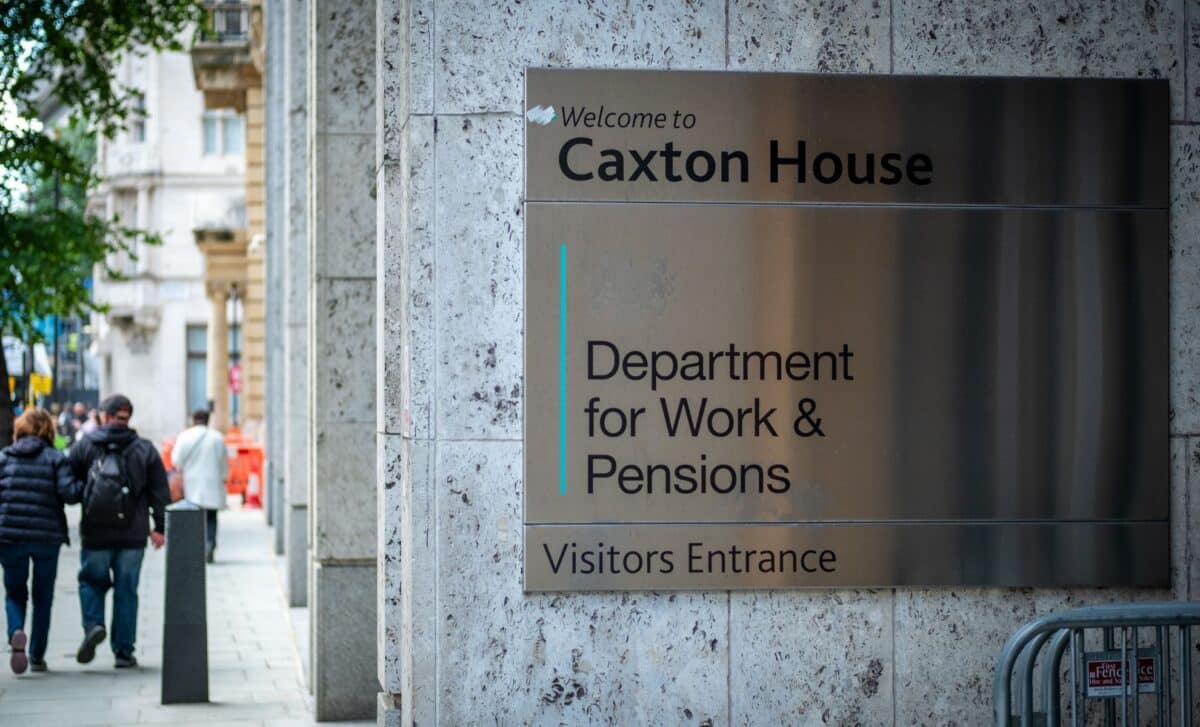
As state pensioners reach the age of 66, a number of important benefits provided by the Department for Work and Pensions (DWP) are no longer available. While this marks a significant change, there are still various financial support options that remain accessible. Understanding these changes is essential for pensioners who rely on state benefits for their financial well-being.
The Benefits State Pensioners Lose at 66
Once you reach 66, several key DWP benefits become inaccessible. The first to be discontinued are income-related allowances like Income-based Jobseeker’s Allowance and Income-related Employment and Support Allowance (ESA). These benefits are designed to support individuals who are either seeking work or unable to work due to illness or disability. At pension age, these payments are no longer available, which can cause financial difficulties for some pensioners.
In addition to these, Income Support and Universal Credit are also removed once you turn 66. These benefits provide financial support to individuals on a low income or those unable to work. However, once a person reaches the state pension age, these forms of assistance are no longer accessible, regardless of the individual’s situation.
These changes mark a crucial point in the life of pensioners, as their entitlement to financial support from the DWP shifts. For many, it can be a confusing transition, especially if they have been receiving these benefits for years.

Credit: Canva
The Challenges of Mixed-Age Households
The situation becomes more complex for pensioners who live with a partner who is not yet at the state pension age. According to Birmingham Live, if one partner reaches the pension age of 66 while the other remains younger, benefit entitlement can become complicated. As the eligibility criteria for various benefits change based on the age of the claimant, couples in this situation may find themselves facing different rules depending on their specific circumstances.
For example, when one partner reaches state pension age and the other does not, the household’s entitlement to certain benefits may change. The financial support received from benefits like Universal Credit or New Style Jobseeker’s Allowance may be reduced or cease altogether, leading to potential hardship for those reliant on these payments.
What Benefits Can You Still Claim After 66?
Despite the discontinuation of several benefits at age 66, there are still numerous support options available to state pensioners. For instance, pensioners can continue to claim Child Benefit, Carer’s Allowance, and Housing Benefit if they meet the eligibility criteria. These benefits offer crucial support for individuals with dependents, caregivers, or those struggling with housing costs.
Moreover, financial assistance in the form of Council Tax Support, Support for Mortgage Interest, and Winter Heating Payments remains available to pensioners who need help covering these essential costs. Even though the number of benefits that pensioners can claim changes, it is important to understand which benefits are still within reach and to make sure claims are updated accordingly.
Although benefits like Disability Living Allowance (DLA), Adult Disability Payment, and Personal Independence Payment (PIP) cannot be newly claimed once an individual reaches state pension age, those who were already receiving them can continue to renew their claims. If someone was receiving DLA or PIP for the same health condition, they are still able to renew their claim after 66, provided they meet the renewal conditions.
Navigating the Transition: Steps to Take
As the rules governing benefits change at state pension age, it’s vital for pensioners to seek guidance on what they are still eligible to receive. While some benefits are scrapped or altered, pensioners may still qualify for support, and knowing which benefits are available is essential for managing finances in retirement. Seeking advice from organisations like Turn2us, which helps people understand their benefit entitlements, can provide clarity and ensure pensioners aren’t missing out on financial assistance.
For pensioners approaching or reaching the age of 66, staying informed about the changes to their benefits can help avoid confusion and ensure continued access to vital financial support. Understanding these shifts is key to navigating the transition into retirement and maintaining a stable financial situation.