
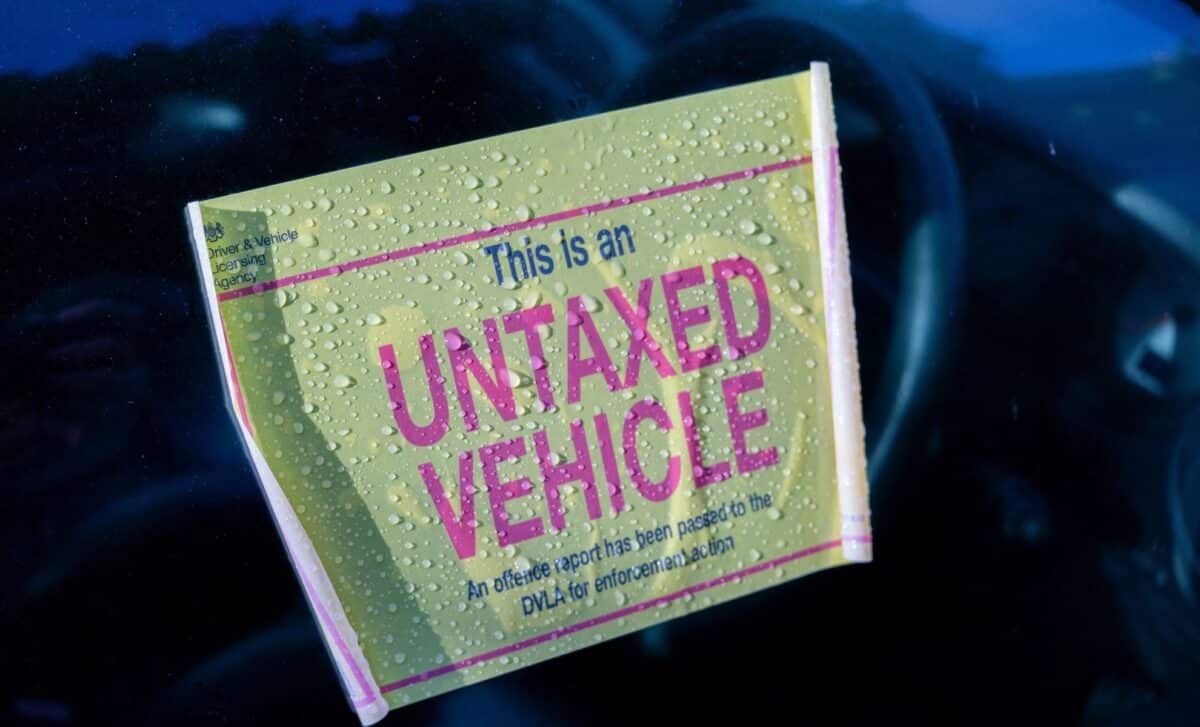
The UK government has confirmed a new set of Vehicle Excise Duty (VED) rates, introducing charges that could reach as high as £5,690 for certain vehicles. The changes, announced by Chancellor Rachel Reeves, apply primarily to cars registered after April 2017 and are based on emissions and vehicle value.
These measures form part of a broader update to the UK’s vehicle taxation system, with additional adjustments also affecting older cars registered between 2001 and 2017. The revised structure reflects emissions thresholds and removes some previous exemptions, altering costs for a wide range of motorists.
Higher-Emission Vehicles Face Steep First-Year Charges
The most significant increases apply to newer vehicles with higher carbon dioxide emissions. According to HM Treasury, cars emitting between 191 and 225 grams of CO2 per kilometer will incur a first-year charge of £3,420. Even higher bands are set at £4,850 and £5,690, depending on emissions levels.
These first-year rates are part of a system where tax is initially calculated based on environmental performance. The government states that this approach also applies to some motorhomes, while diesel vehicles that fail to meet the Real Driving Emissions 2 (RDE2) standard may face additional costs.
Beyond the first year, owners move to a standard annual rate, paid either every six or twelve months. Vehicles with a list price exceeding £40,000, or £50,000 for electric cars, are subject to an extra £440 per year for five years. According to government guidance, this additional charge begins from the second year after registration.
Vehicle taxation has long been a significant source of public revenue in the UK. According to the Office for Budget Responsibility, VED raised £8.2 billion in the 2024–25 financial year and is projected to reach £13.3 billion by 2030–31. The framework itself is governed by the Vehicle Excise and Registration Act 1994, with annual adjustments typically introduced through the Finance Bill.
Changes Also Impact Older Vehicles and Low-Emission Cars
The updated rules also affect cars registered between March 2001 and April 2017, which are taxed under a separate system based on 13 emissions bands. One of these, Band J, applies to vehicles producing between 186 and 200 grams of CO2 per kilometer and will now cost £410 annually for the 2026–27 period.
Lower-emission vehicles are no longer exempt from charges. According to reports from Yorkshire Live, cars emitting under 100 grams of CO2 per kilometer, which previously qualified for a zero rate, will now be charged £20 per year starting April 2026.
Industry commentary highlights how these changes alter long-standing assumptions about low-emission vehicles. David Ross from Honest John noted that a model such as the Skoda Citigo GreenTech, with emissions of 98 grams per kilometer, had previously incurred no tax but will now fall into the new £20 category.
Some motorists have criticized the revised system. One driver, Kenneth Rowson, argued that VED operates as a general tax rather than a direct contribution to road maintenance, suggesting that a system based on vehicle weight would be more equitable. The revised VED structure reflects a continued emphasis on emissions-based taxation while broadening the scope of vehicles subject to annual charges.