
The rising cost of filling up has also brought renewed attention to fuel efficiency and the factors influencing everyday driving expenses. While the Government’s decision to freeze fuel duty has prevented a further increase in taxation, motoring organisations say many drivers remain concerned about what they are paying at the pumps.
Diesel Prices Leave Motorists Paying Up to 25p for Every Mile
According to the Birmingham Mail, diesel prices have reached 198p per litre, leaving motorists driving vehicles that achieve between 35 and 40 miles per gallon facing costs of approximately 22p to 25p for each mile travelled.
The figures are based on fuel economy estimates referenced by Go Compare, which identifies the 35mpg to 40mpg range as average for vehicles on UK roads. Actual fuel consumption, though, varies depending on how a vehicle is driven and the conditions encountered during a journey.
Driving style is among the factors affecting fuel efficiency. Frequent acceleration and harsh braking increase fuel consumption, while smoother driving helps motorists use less diesel over a given distance.
According to the RAC, the most fuel-efficient driving speeds generally fall between 45 and 50 miles per hour. Maintaining a consistent speed, rather than repeatedly accelerating and slowing down, can therefore influence the amount of fuel a vehicle consumes.
Road conditions also make a difference. Heavy traffic involves frequent stopping and starting, while hilly terrain and wet roads require vehicles to work harder. Both can affect the distance travelled on a litre of fuel.
Tyre pressure is another consideration. Under-inflated tyres increase rolling resistance, forcing the engine to expend more energy. Carrying additional passengers or luggage can have a similar effect, as can using air conditioning and electrical equipment that places extra demand on the engine.
Fuel Duty Freeze Offers Limited Relief As Drivers Struggle With Costs
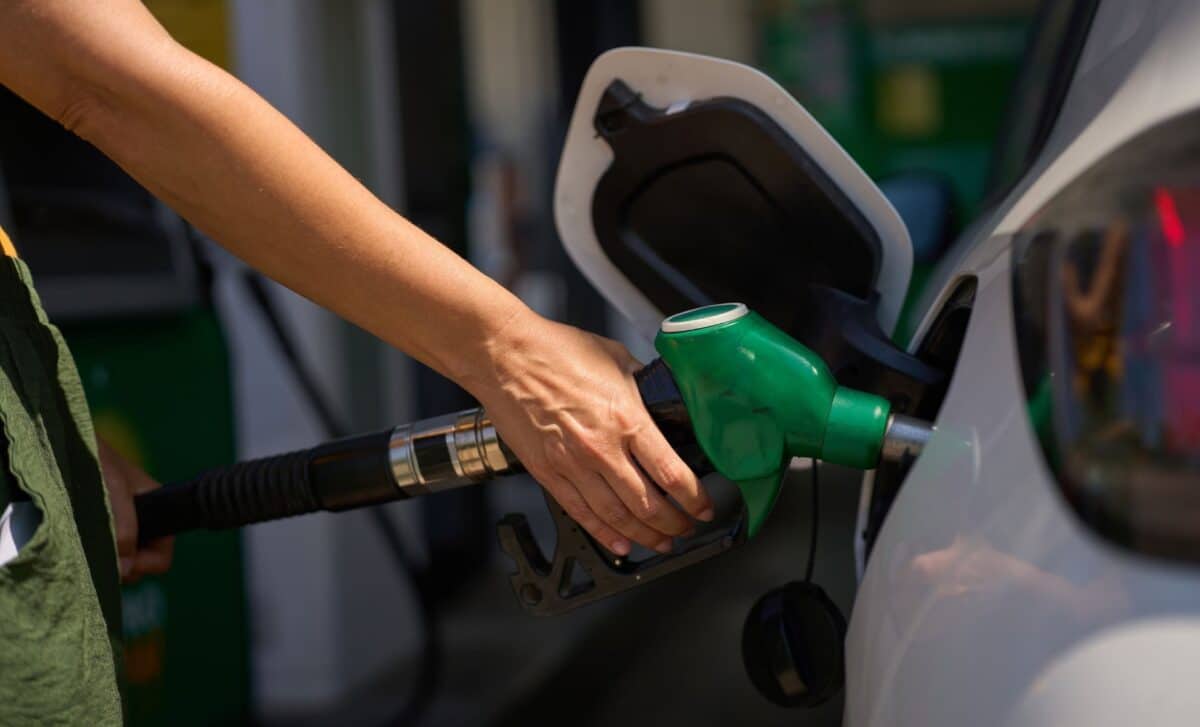
The Government’s decision to maintain the existing reduced rate of fuel duty has drawn a cautious response from the RAC, which argues that keeping taxation unchanged does not address the high prices motorists are already paying.
According to RAC spokesman Rod Dennis, research published by the organisation found that nearly two-thirds of regular drivers wanted reductions in either fuel duty or VAT on fuel. A similar proportion reported cutting back on other spending because of the cost of filling up, illustrating how fuel expenses are influencing household budgets beyond motoring itself.
Dennis said drivers might welcome the absence of a duty increase but could still feel disappointed that further measures had not been introduced to support them. He also pointed out that pump prices had risen sharply during the summer despite fuel duty remaining at the same reduced rate.
International conflicts have contributed to higher oil prices and disruptions to fuel supplies, Dennis said. He suggested that an easing of those pressures would be needed for pump prices to fall meaningfully.
For now, the RAC advises motorists to compare forecourt prices using its myRAC app, alongside paying attention to driving habits and vehicle conditions that influence fuel consumption.