
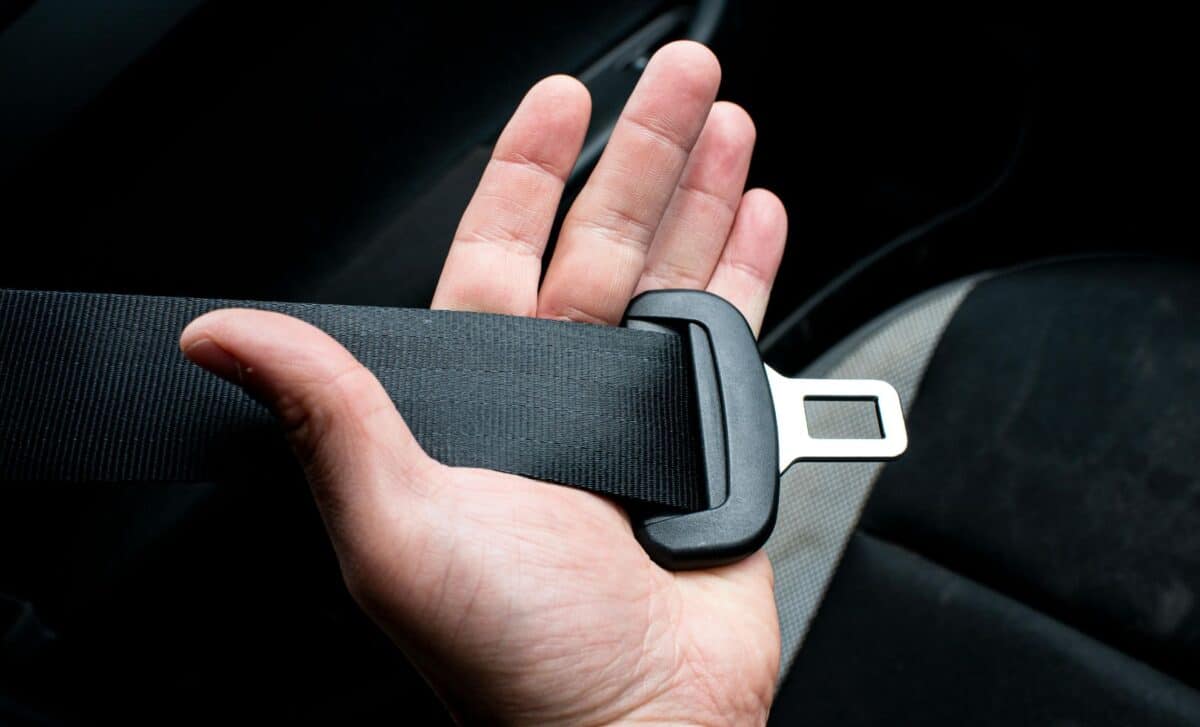
Police issued 5,533 fixed penalty notices for child car seat and seatbelt offences between 2023 and 2025, resulting in more than £553,000 in fines. The figures have prompted renewed reminders about the rules governing child restraints, particularly when children should move to a different type of seat.
Thousands of Offences Recorded As Parents Misunderstand Car Seat Requirements
Under UK law, children must normally use an appropriate child car seat until they reach their 12th birthday or measure 135 centimetres in height, whichever comes first. Once they have passed either threshold, they must wear a seatbelt when travelling in a vehicle.
Research conducted by Confused.com surveyed 1,200 parents with children under 12 and identified considerable uncertainty about these requirements. Almost one in three respondents admitted they had driven with their child without the appropriate restraint at some point.
The reported incidents included journeys where children travelled without a car seat and situations involving seats unsuitable for their age or size. Among parents who acknowledged doing so, 35 per cent said they had been stopped by police.
The findings also revealed gaps in parents’ understanding of when child restraints are legally required. Matt Crole-Rees, a motoring expert at Confused.com, said nearly two-thirds of parents were unfamiliar with the correct legal threshold.
“Nearly two thirds (64%) of parents don’t know the correct legal cut-off, which is that children usually need a car seat until they’re either 12 years old or 135cm tall, whichever comes first,” he explained.
Motorists who fail to ensure that a child is properly restrained can receive a £100 fine. Cases brought before a court can result in penalties of up to £500, alongside penalty points.
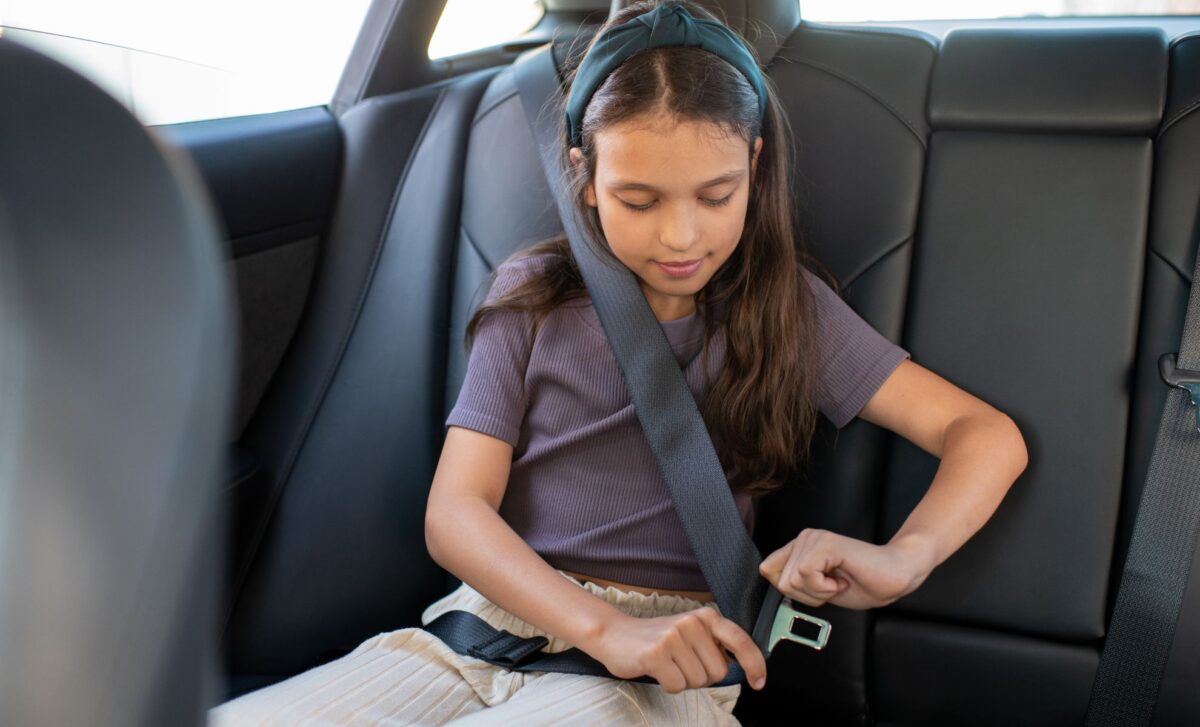
Safety Concerns Extend Beyond the Financial Penalties
The financial consequences are only one aspect of the warning issued to families. Experts have also highlighted the safety implications of using an unsuitable restraint, particularly when children move between different car seat stages.
According to the Birmingham Mail, Crole-Rees urged parents to check that their children’s seats correspond to their height and weight, rather than relying solely on assumptions about age.
“Getting your child’s car seat right isn’t just about avoiding a fine; it’s one of the most important things a parent can do to keep them safe on every journey,” he said.
He also noted that parents’ confidence in their knowledge does not always reflect their understanding of the regulations. Uncertainty about the appropriate time to change seats, or which restraint suits a particular child, remains a concern identified by the research.
Crole-Rees explained that using an incorrect car seat would not necessarily invalidate a driver’s insurance policy outright. He nevertheless stressed that compliance with the law remains closely connected to protecting children during journeys.
The warning reinforces the distinction between meeting the legal age or height threshold and ensuring that the restraint being used is appropriate for the child. For parents, the advice remains to check both the legal requirements and the suitability of their child’s seat.