Millions of UK households could see their gas bills change under a government proposal to eliminate daily standing charges. Prime Minister Andy Burnham has ordered ministers to examine the move, which could reduce costs for low-energy users but leave households with higher gas consumption paying more.
Why the Government Wants to Remove Fixed Gas Charges
Burnham announced the proposal during Prime Minister’s Questions, according to the BBC, asking Chancellor John Healey and Energy Secretary Miatta Fahnbulleh to investigate whether gas standing charges could be removed.
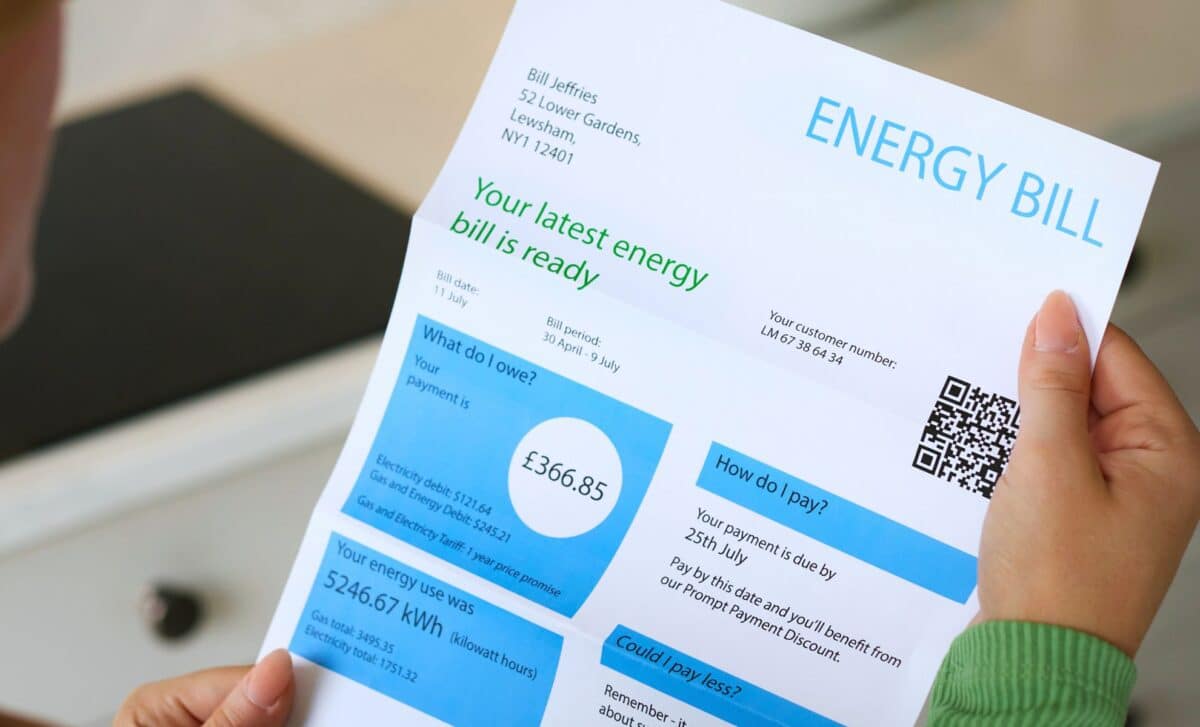
These charges are fixed daily fees that customers pay regardless of how much energy they consume. They help fund gas network maintenance, transportation infrastructure, and programs supporting low-income households.
The average gas standing charge currently stands at 29.7 pence per day, equivalent to approximately £108 annually before a household uses any gas.
Burnham’s proposal follows growing public frustration over charges that customers cannot reduce by cutting consumption.
The prime minister has requested that ministers report their findings to Parliament at the earliest opportunity. No implementation timetable or detailed funding mechanism has been announced.
Prime Minister Andy Burnham has asked ministers to develop a plan to remove standing charges from gas bills. On #BBCBreakfast Peter Ruddick explained what may change https://t.co/90GkJUVYnn https://t.co/EkUyPqnB56
— BBC Breakfast (@BBCBreakfast) October 22, 2026
How Scrapping Standing Charges Could Affect Household Bills
One possible approach, proposed by research organization Nesta, would transfer the costs currently collected through standing charges onto the price charged for each unit of gas consumed.
Under this system, households would pay more directly according to their consumption rather than facing a fixed daily fee.
The change could particularly benefit people living in smaller homes, households with efficient heating systems, and consumers who use relatively little gas.
Nesta estimates that the reform could reduce a typical household’s annual bill by approximately £27.
But Madeleine Gabriel, director of sustainable future at Nesta, said:
“Abolishing the gas standing charge and moving those costs onto the unit rate would help those worst hit by rising energy prices.”
The distribution of savings would depend on individual consumption. Households requiring substantial heating could face higher costs if gas unit prices increased enough to offset the removal of fixed charges.
Citizens Advice has warned that vulnerable customers with limited incomes but high energy needs could be particularly exposed.
Why Electricity Standing Charges Are Not Included
The proposed reform currently targets gas bills, leaving electricity standing charges untouched.
That distinction matters because electricity customers face an average fixed charge of 54.8 pence per day, considerably higher than the gas equivalent.
Asked why electricity charges were excluded, the prime minister’s spokesperson pointed to the government’s earlier reduction in VAT on electricity bills.
Meanwhile, energy regulator Ofgem has spent nearly two years consulting on standing charges, receiving extensive public feedback from consumers frustrated by unavoidable daily fees.
The regulator is also testing tariffs with lower standing charges, although it has not reached firm conclusions about their wider impact.
Industry association Energy UK has emphasized that removing a charge does not necessarily eliminate the underlying costs. The effect on household bills depends on how those costs are redistributed.
The Proposal Comes as Energy Prices Face Another Increase
The announcement comes amid renewed pressure on the government to provide targeted financial assistance before winter.
Energy prices are forecast to rise by 16% in January, potentially reaching their highest level in four years. The chancellor also faces calls to announce broader household support measures in next week’s Budget.
Burnham has linked the proposed billing reform to the government’s wider energy strategy, including approval of the Jackdaw gas field in the North Sea.
He described that approval as a pragmatic decision that would allow further investment in renewable energy.
The prime minister also argued that expanding renewables could substantially lower household electricity bills by weakening the relationship between electricity and natural gas prices during the current Parliament.
That relationship remains a central concern in the UK energy market, where gas-fired power generation frequently influences wholesale electricity prices.
For now, ministers have been instructed to examine the removal of gas standing charges, while Ofgem’s trials of lower-standing-charge tariffs remain ongoing.