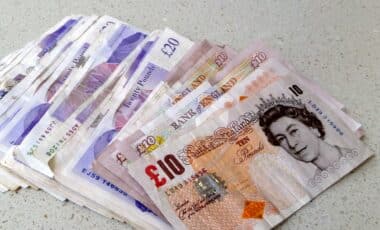

The Budget, delivered on 28 October 2026, is the first under Prime Minister Andy Burnham’s government. It comes amid rising energy costs and pressure on household finances, with the Chancellor promising to give working people and businesses “breathing space”. Yet the measures will affect taxpayers differently, with some receiving direct assistance while others face higher bills from 2027.
Pensioners, Workers and Households Receive Financial Support
Around 20 million households in England living in council tax bands A to D will receive a £100 energy payment from January 2027. Funding will also be provided to the Scottish and Welsh governments to introduce equivalent support.
The government will remove standing charges from domestic gas bills in 2027, or as soon as possible afterwards. These costs will instead be incorporated into unit prices, meaning households using more gas could pay more.
According to The Telegraph, the government estimates that 60% of households will save an average of £45 annually through the change. The temporary VAT exemption on domestic electricity will also continue until July 2027.
Pensioners will receive an increase in the full new state pension to £13,036 annually from April 2027, exceeding the frozen £12,570 personal allowance. A new Pension Tax Allowance will protect those with income at or below the full new state pension from paying income tax.
Workers aged 21 and over will see the National Living Wage increase by 3.9% to £13.21 an hour, benefiting approximately 2.3 million workers. The minimum wage for those aged 18 to 20 will rise to £11.27.
First-time buyers will also receive assistance through the £4.7 billion Your First Home scheme. Eligible purchasers of newly built properties in England will need deposits of just 2.5%, supported by a government equity loan covering 20% of the property’s value.
Small businesses in retail, hospitality and leisure will benefit from an increase in the rateable-value threshold for full business rates relief from £12,000 to £18,000.
Banks, Landlords and Savers Face Increased Taxation
The financial support comes alongside tax increases affecting banks, property investors and people earning interest outside tax-free savings accounts.
According to The Guardian, the surcharge on qualifying bank profits will increase from 3% to 6% for 15 months beginning in January 2027. The measure is expected to raise an additional £1.5 billion for the Treasury.
Landlords will face higher income tax rates on rental profits from April 2027. Basic-rate taxpayers will pay 24%, higher-rate taxpayers 44%, and additional-rate taxpayers 49%.
The Office for Budget Responsibility has warned that higher landlord costs could contribute to rising rents, with some existing landlords leaving the market and potential investors staying away.
Savers earning taxable interest outside Individual Savings Accounts will face the same rates. The Chancellor has nevertheless cancelled plans to reduce the annual cash ISA allowance from £20,000 to £12,000.
According to Blick Rothenberg, graduates with Plan 2 student loans will also remain affected by the freeze on the £29,385 repayment threshold.
Alcohol duty will rise in line with inflation from February 2027, while Machine Games Duty on qualifying gambling machines will increase from 20% to 25%.
For households, the eventual financial outcome will depend on income, property circumstances, energy consumption and exposure to the tax changes announced in the Budget.