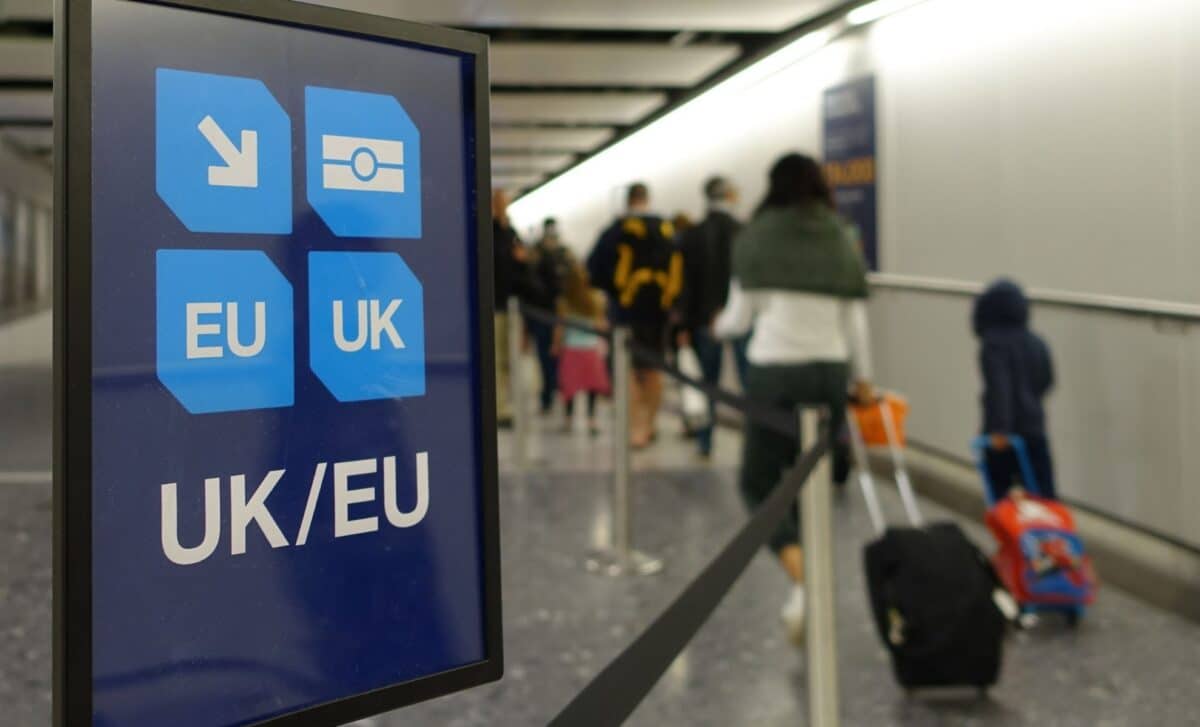
The Entry/Exit System, known as EES, is an automated border-control scheme for non-EU nationals. British visitors may be required to register fingerprints and have a photograph taken when entering the Schengen Area, which consists of 29 European countries. Travellers have been advised to allow more time at border controls after the system was linked with lengthy queues during its earlier rollout.
Temporary Flexibility for Border Checks Comes to an End
EES was first introduced in April, but some countries and airports were allowed to suspend biometric checks in exceptional circumstances, particularly when congestion became severe. France, Spain and Greece were among the destinations that made use of that flexibility during busy travel periods.
From 7 September, that arrangement changes. According to the reports, EU member states will no longer be able to temporarily switch off the system at airports when queues become excessive, although checks can still be paused in exceptional circumstances in certain situations. The change has prompted concern within the travel industry. Airlines asked the European Commission to extend the discretionary powers until the end of 2026, arguing that technical and operational difficulties were still affecting passengers.
Luke Petherbridge, director of public affairs at UK travel association Abta, said the organisation was continuing to press the European Commission for greater flexibility beyond September, noting that there was “still some way to go until EES is fully and consistently operational across all participating countries”.
Thomas Reynaert, head of external affairs at Iata, also pointed to the effect on passengers. “These are real impacts being felt by passengers,” he said, adding that delays can reduce confidence in the system and impose costs on airlines.
What British Travellers Can Expect at the Border
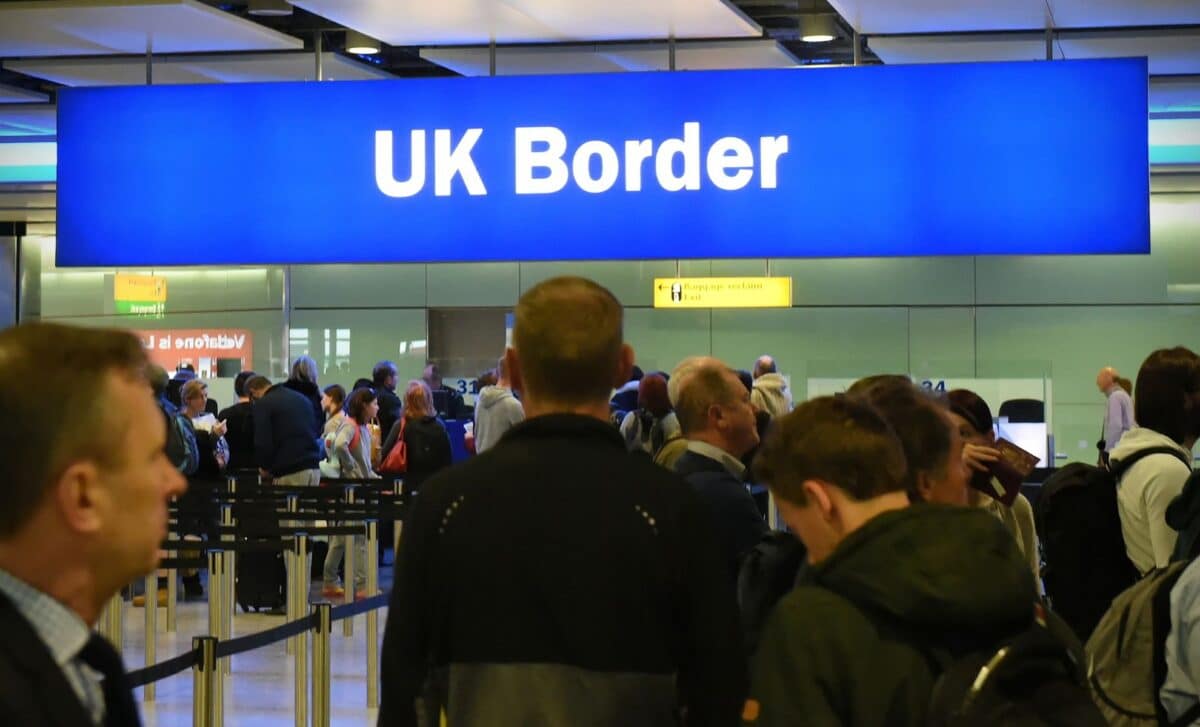
For UK citizens, EES means creating a digital border record when travelling into the Schengen Area. According to UK government guidance, travellers may be asked on their first visit to provide fingerprints and have their photograph taken at dedicated booths at a port or airport.
Passengers do not need to submit information before travelling. The government guidance says the checks may take longer than previous border procedures, particularly at busy times, and advises travellers to be prepared for delays. Those entering the Schengen Area through the Port of Dover, Eurotunnel Le Shuttle at Folkestone or Eurostar at St Pancras International will complete any required EES checks before leaving the UK.
A Eurostar spokesperson said enrolments would continue to be completed manually by border officers as the phased rollout continues. Eurotunnel, meanwhile, said it was awaiting confirmation from French authorities about the timing of the next phase and was ready to introduce full biometric checks once formal clearance was received.
According to the reports, travellers may also be asked to provide either a fingerprint or photograph when leaving the Schengen Area. Once created, an individual’s digital EES record remains valid for three years.