
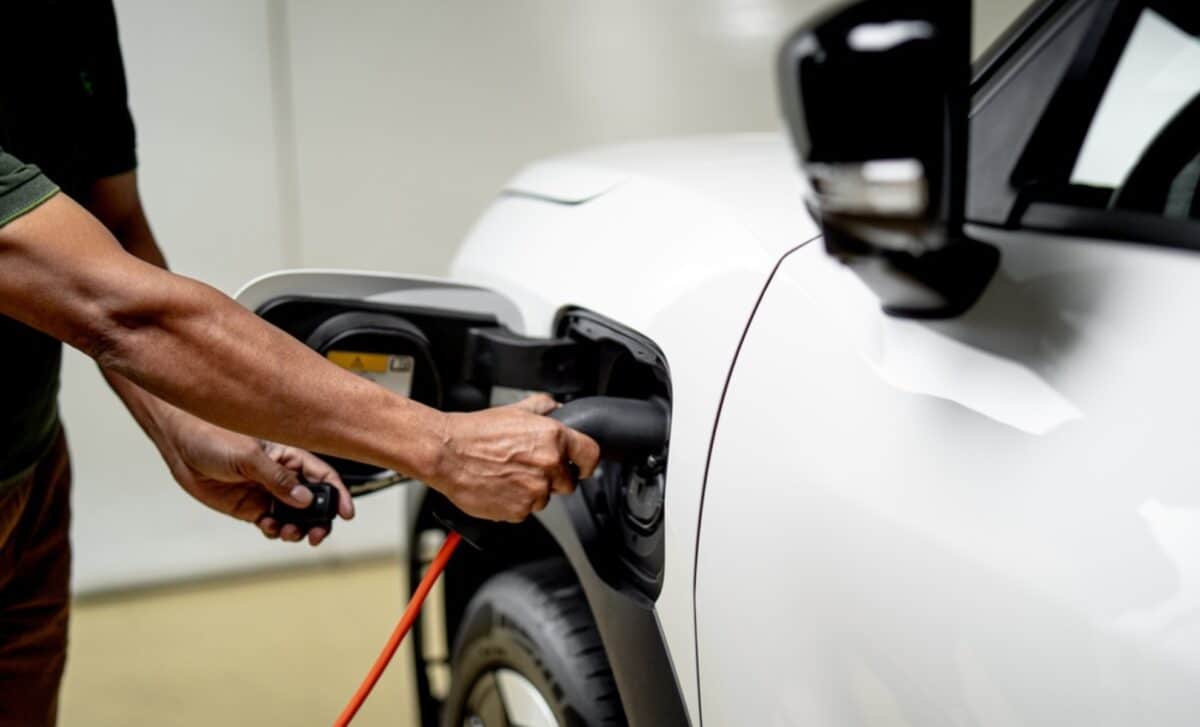
Home EV charging in England is about to become simpler and more affordable. Recent changes to planning rules and grant support aim to make it easier for households to install chargers, whether they have a driveway or rely on on-street parking.
Key facts
The government has increased the home charger grant from £350 to £500. This covers nearly half the cost of a typical installation and will remain available until March 2027, the final year of the scheme.
Permitted development rights have been updated, meaning more homeowners can install off-street chargers without needing planning permission. The 2025 changes removed previous limits on wall-mounted chargers, making installation more straightforward for properties with driveways or private parking.
EV charger grants now available for more households
For households without a driveway, the grant also covers approved cross-pavement charging solutions. This includes cable channels or gullies designed for safe pedestrian access. Temporary solutions such as mats or cable covers do not qualify, and approval from the local highways authority is required before installation.
The changes make EV ownership more practical and less costly. Aviation, Maritime and Decarbonisation Minister Keir Mather highlighted that bigger grants mean families, flat owners, renters, and small businesses can install a charger for nearly half the usual cost.

Savings and simplified grants
Using a home EV charger can reduce driving costs to as little as 2p per mile. Over a year, this could save EV owners up to £1,400 compared with running a petrol car. The grant system has been simplified from eight schemes to five, making it easier to understand the support available. Schools can claim up to £2,000 per socket, while landlords can access grants for multiple properties.
Mel Lane, CEO of Pod Point, welcomed the changes, reports Independent. She said affordable EV charging is crucial for the transition to cleaner transport. She encouraged eligible households and businesses to apply for grants in the final year to future-proof their properties.
Remaining challenges
Some hurdles remain. Councils may refuse cross-pavement installations, and street-side chargers do not guarantee a parking spot. Despite this, easing planning rules, increasing grants, and focusing support on renters, flat owners, and small businesses are important steps toward wider EV adoption.
The combined changes make it easier for more households to own an EV, cut running costs, and transition away from petrol vehicles. While not every challenge is solved, the UK is taking significant steps to support home charging and accelerate the electric vehicle revolution.