he extension follows the removal of the 5% VAT rate on domestic electricity bills on 1 October. While households with driveways can already access cheaper charging tariffs, recent changes to planning rules are intended to make similar savings available to drivers who park on the street.
Lower Electricity Tariffs Bring Down the Cost of Charging at Home
According to the Daily Express, the VAT reduction has prompted Octopus Energy to lower the price of its Intelligent Octopus Go tariff from 8p to 7.6p per kilowatt-hour. The discounted rate applies to electricity used between 11.30pm and 5.30am, allowing customers to schedule vehicle charging overnight.
For an electric vehicle equipped with a 100kWh battery and a range of 500 miles, charging at 7.6p per kilowatt-hour would cost £7.60. That works out at 1.52p per mile, compared with 1.6p per mile before the VAT reduction took effect.
The savings apply to eligible home charging arrangements, including fixed electricity tariffs. Andy Burnham announced that the VAT cut would be applied automatically to existing fixed deals, rather than being restricted to households on standard variable tariffs or customers signing new agreements.
The Department for Energy Security and Net Zero said removing VAT from domestic electricity bills would save households an average of £45 annually. The extension announced in the recent Budget keeps the measure in place until July 2027.
The department also outlined plans to reduce longer-term electricity costs by expanding domestic clean energy production and developing network infrastructure through Great British Grid.
New Charging Rules Aim To Help Households Without Driveways
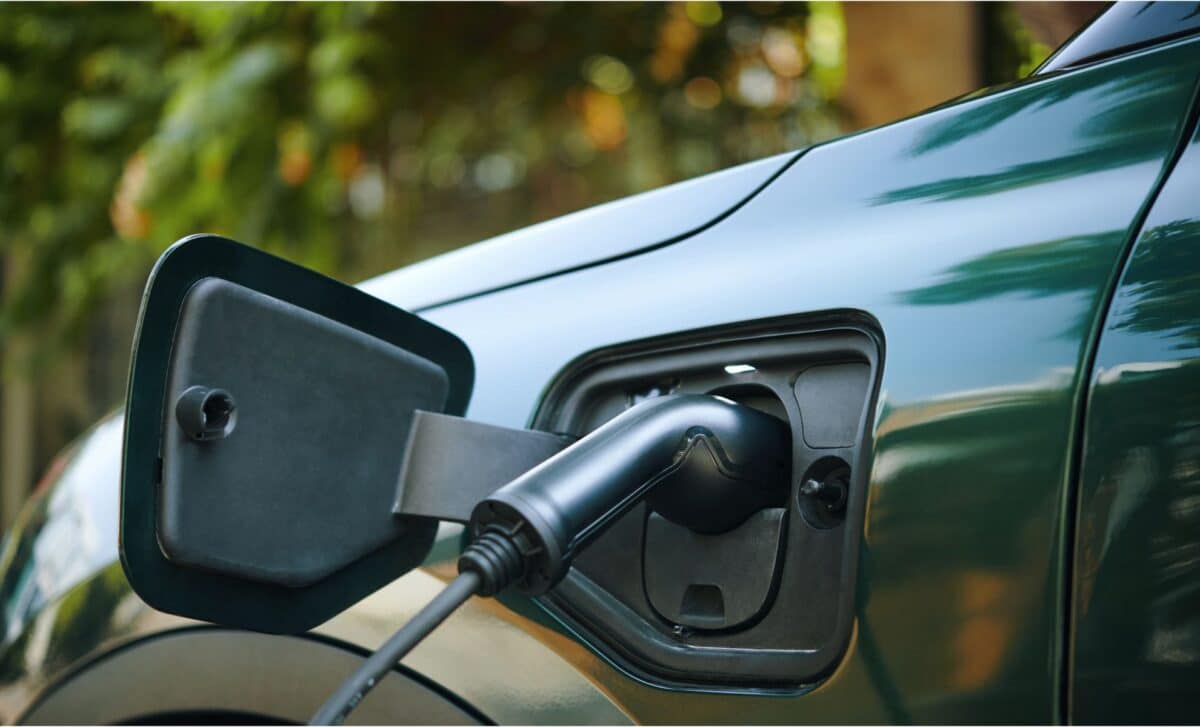
The Government has also relaxed planning requirements for cross-pavement charging installations, which allow residents without off-street parking to connect their vehicles to domestic electricity supplies.
Under the changes, homeowners no longer need to apply for planning permission for qualifying installations. Local council approval is still required, however, and suitable connections between properties and parked vehicles must be possible.
According to the Department for Transport, the changes could save drivers up to £300 in installation costs and provide access to home charging from around 2p per mile. The department also estimates potential running-cost savings of up to £1,750.
Drivers relying on public charging face a different situation. Public EV chargers remain subject to 20% VAT, compared with the temporary zero rate on domestic electricity.
The Treasury has announced £100 million over two years, beginning next spring, to reduce charging costs at local, lower-powered public chargers. The Government estimates that motorists using these facilities could save approximately £150 annually.
According to the Daily Express, motoring organisations including the AA and RAC have questioned the continuing VAT difference between home and public charging.
EVA England chief executive Vicky Edmonds also expressed disappointment that public charging VAT had not been aligned with domestic electricity.
The Department for Transport said it was reviewing public charging costs, supporting more than 100,000 additional public charge points and providing £25 million to help residents without driveways access cheaper home charging.