

Britain will keep its fuel duty freeze in place until at least July 2027, extending a temporary tax cut as the war in the Middle East drives up oil prices and pushes diesel costs to record levels.
Chancellor Extends Fuel Tax Cuts Through Winter and Spring
British Chancellor of the Exchequer John Healey announced the extension on October 28 during the first budget presented under Prime Minister Andy Burnham’s government, according to Reuters.
The decision maintains the existing 5-pence-per-litre reduction in fuel duty, introduced in 2022, and prevents the government from reversing the cut during the coming winter and spring.
Healey linked the extension directly to rising energy costs and the continuing conflict in the Middle East, which has placed additional pressure on fuel prices.
“Earlier this year, the government extended the 5p cut to Fuel Duty and slashed red diesel to its lowest rate in over 20 years. With the war in the Middle East still driving high fuel prices, I am extending these tax cuts for motorists through the winter and spring to July,” Healey said in his budget statement.
The announcement also preserves the reduced duty on red diesel, a lower-taxed fuel used primarily in eligible machinery and equipment, including in agriculture and certain industrial activities.
For motorists, the extension means the government will continue applying the existing tax reduction rather than allowing it to expire while fuel prices remain elevated.
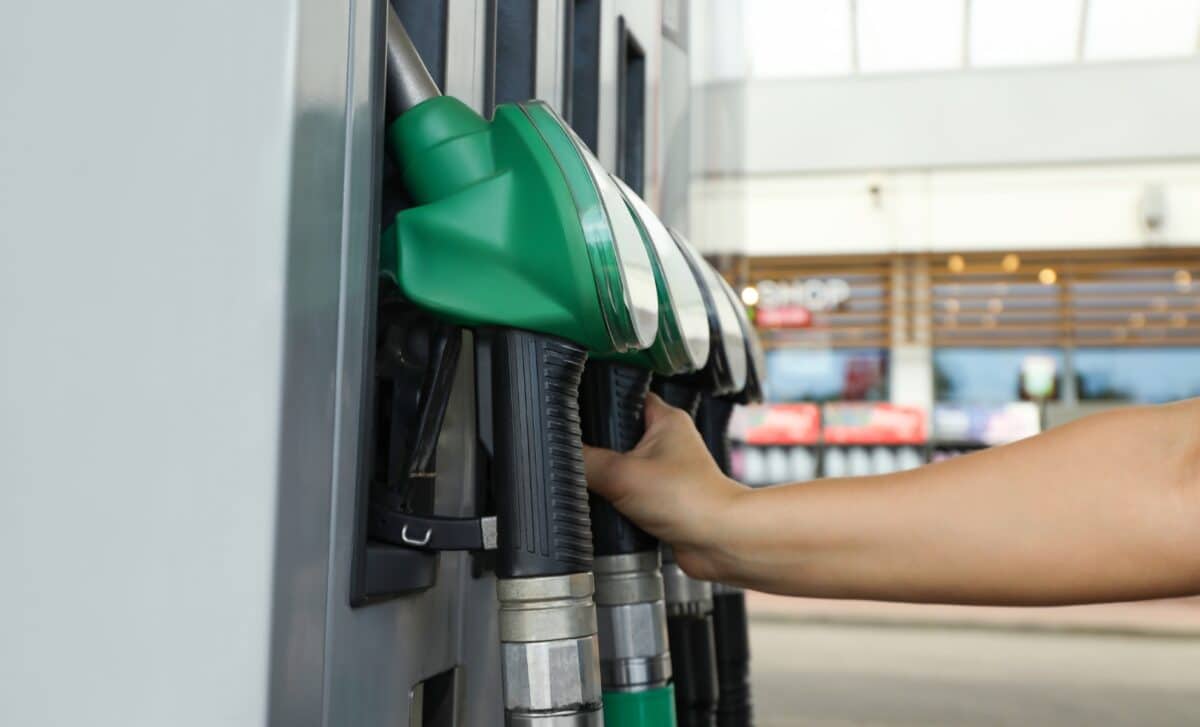
Diesel Prices Reach Record Levels as Oil Markets Face Pressure
The decision comes during another period of intense pressure on Britain’s fuel market.
The Middle East conflict has pushed international oil prices higher in 2026, increasing costs across the fuel supply chain.
Earlier this month, the RAC, Britain’s motoring organization, reported that average diesel pump prices had reached record highs. Reuters reported on October 2 that the national average had reached £2 per litre for the first time.
Diesel prices are particularly significant for commercial transport operators, delivery services and motorists who rely on diesel-powered vehicles.
Higher pump prices increase operating expenses for businesses that depend on road transportation. They also raise the cost of filling a vehicle, even when fuel tax rates remain unchanged.
The government’s decision does not directly reduce the underlying price of oil or guarantee lower prices at filling stations. Instead, it preserves an existing tax reduction that would otherwise be removed.
That distinction matters as international energy prices continue to influence how much British drivers pay at the pump.
With events in the Middle East pushing up fuel prices, we’re giving drivers more breathing space. This Budget extends the 5p fuel duty cut to July 2027. https://t.co/RSFLjKQbrF
— HM Treasury (@hmtreasury) October 28, 2026
A Fuel Duty Freeze That Has Lasted More Than a Decade
Britain’s fuel duty policy has remained largely unchanged for more than 15 years.
The government has frozen the main fuel duty rates since 2011, with successive administrations repeatedly extending the measure rather than allowing scheduled increases to take effect.
In 2022, the government introduced an additional 5p-per-litre temporary reduction after oil prices surged following Russia’s full-scale invasion of Ukraine.
The measure was designed to ease pressure on motorists facing sharply higher energy costs. Although introduced as temporary relief, it has remained in place through repeated extensions.
Healey’s latest announcement continues that policy, with the government citing the Middle East war as the reason for preserving the reductions through another winter and spring.
The decision also delays a potential increase in the duty paid on petrol and diesel until at least July 2027.
Fuel Duty Remains a Major Source of Government Revenue
Maintaining lower fuel taxes carries significant implications for public finances.
Fuel duty generates approximately £25 billion ($33 billion) annually for the British government, making it an established source of tax revenue.
Freezing rates and retaining temporary reductions means the Treasury collects less revenue than it would if higher duty rates were applied, all else being equal.
The latest extension illustrates the government’s decision to maintain relief for motorists while fuel costs remain under pressure from international events.
For now, the existing 5p-per-litre reduction remains in place, alongside the reduced rate for red diesel, with both tax measures extended through July 2027.