The Department for Work and Pensions (DWP) has begun using new powers to check bank account information linked to three major benefits. The measures target undeclared savings and extended stays abroad, potentially affecting millions of claimants across Britain.
Banks Receive First Notices Under New DWP Powers
The government confirmed on October 26 that the DWP had issued its first Eligibility Verification Notice, requiring financial institutions to identify accounts that may breach benefit eligibility rules.
According to the Daily Record, the checks represent the first use of powers introduced through the Public Authorities (Fraud, Error and Recovery) Act 2025.
The system is entering a controlled testing phase before wider implementation across England, Scotland and Wales.
Banks will compare certain account details against eligibility indicators provided by the DWP. Accounts meeting those indicators may be flagged for further examination, although a match does not establish wrongdoing.
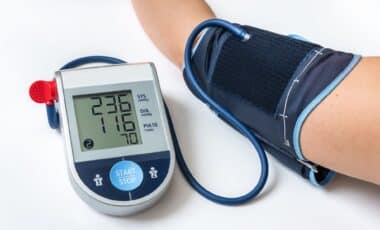
Credit: Shutterstock
Three Benefits Are Covered by the New Checks
The new verification system currently applies to claimants receiving Universal Credit, Pension Credit and New Style Employment and Support Allowance (ESA).
Financial institutions may identify accounts containing savings above applicable benefit thresholds or information suggesting a claimant has spent longer overseas than permitted.
For Universal Credit, savings above £6,000 can affect payments, while capital exceeding £16,000 generally prevents eligibility. Pension Credit follows different capital rules, meaning the checks must account for the benefit involved.
The DWP estimates that undeclared savings and overseas residence contributed to £1.5 billion in fraud and error involving Universal Credit and Pension Credit during 2025/26.
Joint accounts and other linked accounts may also fall within the verification process.
What Banks Can Reveal About Claimants
The powers allow banks to share limited identifying information, including account holders’ names, account numbers and details of linked accounts, when eligibility indicators are met.
They do not authorize financial institutions to disclose full bank statements, individual transactions or detailed spending histories through these notices.
Minister for Innovation, Fraud and Debt Lilian Greenwood emphasized these restrictions when announcing the measures.
“We are not interested in where people do their weekly shop or how much they’re spending on new clothes. Banks will simply be asked to identify if somebody may no longer meet the rules for the benefits they receive, allowing us to investigate further where necessary.”
Greenwood also linked the system to the government’s broader efforts to reduce incorrect payments.
“With £1.2 billion in savings expected by 2030/31, this is a major step forward in tackling fraud and error, protecting public money and ensuring support goes to those who genuinely need it.”
What Happens if Your Bank Account Is Flagged?
A flagged account does not automatically trigger a benefit suspension or fraud finding.
DWP officials must investigate further before deciding whether a claimant’s circumstances affect their entitlement.
Claimants may receive requests for additional evidence through their Universal Credit online journal, by telephone, letter or text message.
Responding promptly can help prevent delays or interruptions where the department needs information to establish continuing eligibility.
Anyone disputing a subsequent benefit decision can request a mandatory reconsideration, the formal first stage of challenging a DWP decision.
The department says the new system will operate under independent oversight, with its initial testing phase assessing how effectively financial institutions identify relevant accounts before wider deployment.