The announcement, made on 19 October 2026, also includes a nationwide campaign reminding rail passengers to use headphones. Prime Minister Andy Burnham said the initiative aims to prevent individual passengers from disrupting journeys, although questions remain over how the measures will be enforced.
New £100 Penalties Will Target Disruptive Behaviour on Buses
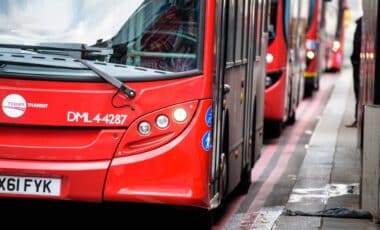
Local authorities in England are being encouraged to use powers introduced earlier this year to establish and enforce rules against antisocial behaviour on bus services. The measures allow councils to issue fixed penalty notices of up to £100 for offences such as playing loud music without headphones.
According to Sky News, guidance published by the Department for Transport on Monday explains how councils can introduce local byelaws covering nuisance behaviour. Any proposed rules must receive approval from Transport Secretary Heidi Alexander before taking effect.
Enforcement will be handled by authorised personnel, including specialist transport safety officers and police, rather than bus drivers. The government has confirmed that drivers will not be expected to issue penalties themselves.
Alexander said passengers should not have their journeys disrupted by others playing loud music, vaping or dropping litter. She added that even small changes in behaviour could make a substantial difference to people’s experience of public transport.
The measures follow earlier calls for action against passengers who refuse to use headphones. Transport for London launched its own campaign encouraging headphone use in August 2025, while both the Conservatives and Liberal Democrats have previously pressed for stronger action.
Train Passengers Already Face Fines of up to £1,000
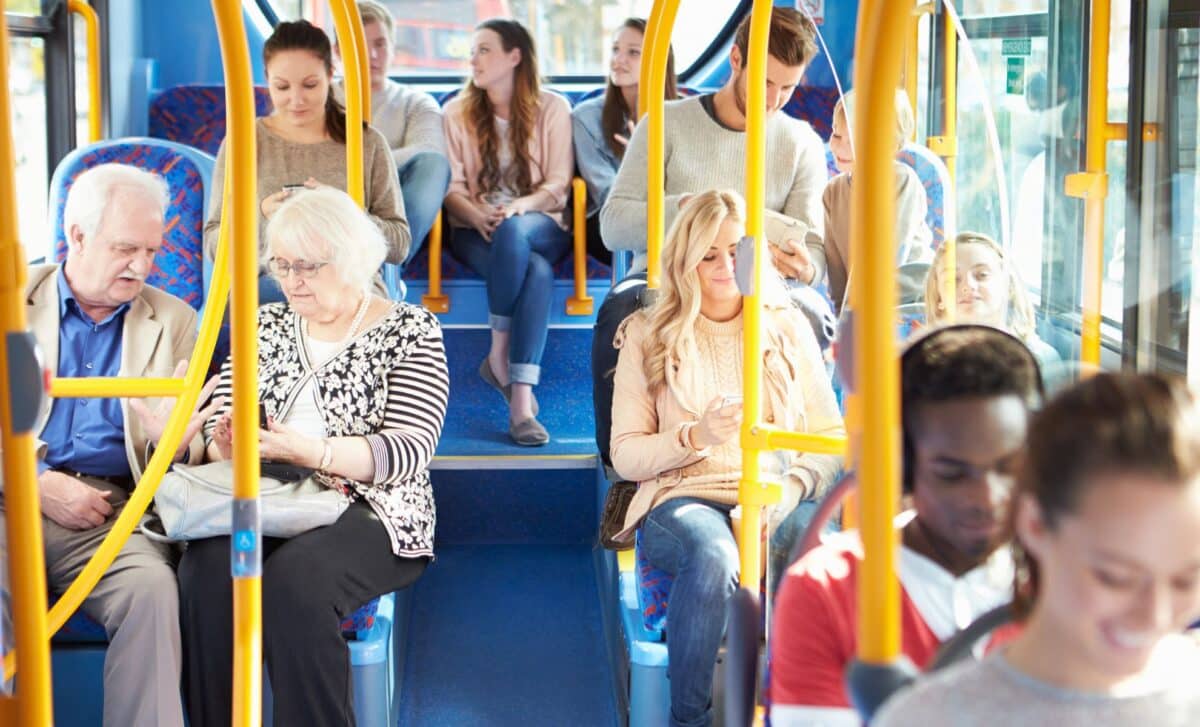
Alongside the proposed bus penalties, the government is launching a national awareness campaign aimed at passengers who play music or videos aloud on trains. The campaign, carrying the message “Share the carriage, not the noise”, will appear on train operators’ websites, social media platforms and inside carriages.
According to the BBC, existing railway rules already allow passengers who refuse requests to stop playing loud music to be removed from trains or fined up to £1,000. The new campaign is intended to provide a consistent message across railway operators.
Burnham said loud music from mobile phones could quickly spoil journeys for other passengers. He described wearing headphones as a straightforward way to improve the travelling experience.
Questions have nevertheless been raised about enforcement and the wider safety problems facing transport workers. Unite general secretary Sharon Graham described the measures as well-meaning but inadequate to address escalating abuse against transport staff.
Liberal Democrat transport spokesman Olly Glover also questioned whether the rules would be effective without sufficient funding for transport safety officers. Independent watchdog Transport Focus reported that four in ten passengers said antisocial behaviour had made them feel vulnerable while travelling.
Its director of policy and insight, Alex Campbell, said reducing nuisance behaviour could improve passengers’ experiences and encourage greater use of public transport. The government maintains that the new bus powers and nationwide rail campaign are intended to make journeys more comfortable, while responsibility for enforcing the rules will remain with authorised officers.