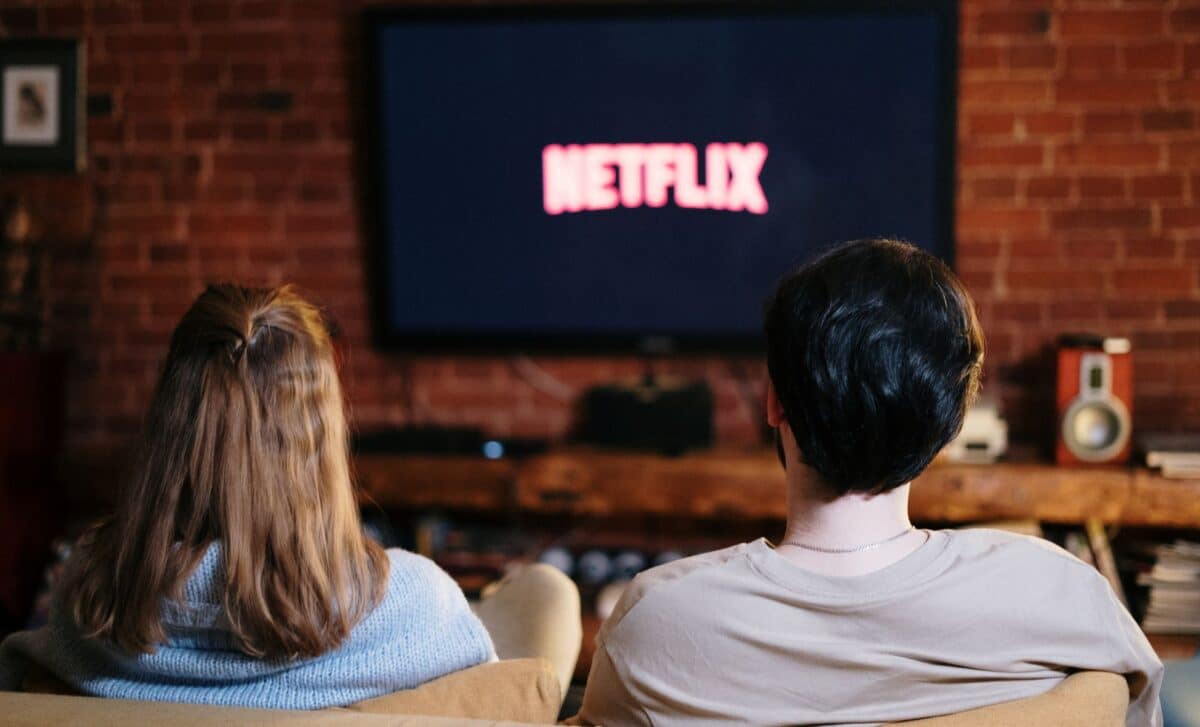
Millions of UK households could be required to pay the BBC licence fee when watching streaming services such as Netflix, Amazon Prime Video and Disney+ under proposals reportedly being considered by the government. The potential change could bring three to four million additional households into the licence fee system, although no final decision has been made.
Streaming Services Could Come Under Licence Fee Rules
Under the current system, households need a TV licence to watch or record live television or use BBC iPlayer. Watching on-demand programmes on services such as Netflix and Disney+ does not normally require a licence.
The reported proposals would change that arrangement by extending the charge to some streaming content that is currently outside the rules. The idea has been dubbed a “YouTube tax”, although the reported proposals could cover several major streaming platforms rather than YouTube alone.
Licence Fee Currently Costs £180 a Year
The annual BBC licence fee increased to £180 in April. If the proposed changes go ahead, households that currently watch streaming services without needing a licence could become liable for the charge.
The exact criteria have not yet been confirmed. A senior Whitehall source told The Independent that it was unfair for people to watch television content while avoiding the licence fee.
Government Has Not Made a Final Decision
The proposal is expected to feature in a white paper on the BBC’s charter renewal before Christmas, according to reports. A white paper sets out the government’s policy proposals and does not automatically become law.
Any changes would still face further scrutiny and parliamentary stages before they could take effect. This means households should not assume that the reported extension of the licence fee has already been approved.
BBC Faces Pressure Over Its Finances
The possible expansion of the licence fee comes as the BBC deals with a sustained fall in income. The broadcaster has previously warned that it faces “managed decline”, with its income falling by around 25% over the past decade.
The BBC has already introduced a £500 million savings programme, which is expected to result in around 2,000 job losses. The broadcaster is also considering other ways of securing its long-term finances.
Subscription And Advertising Are Also Being Considered
A subscription-based model has reportedly been considered as another option for funding the BBC. Such a system could see viewers pay directly for access to BBC content rather than through the current licence fee arrangement.
Culture Secretary Lisa Nandy has previously expressed concerns about a subscription model, arguing that it could reduce the BBC’s ability to bring audiences together across the UK.
Advertising has also been discussed, although ministers have reportedly raised concerns that this could put additional pressure on commercial broadcasters such as ITV and Channel 4.
Millions Could Be Affected If Plans Go Ahead
The potential changes reflect the growing gap between traditional television viewing and the way people now consume programmes online. Around three to four million additional households could eventually become liable for the licence fee under the reported proposals.
For now, the existing rules remain in place: a licence is required to watch live television or use BBC iPlayer, while on-demand content from other streaming services generally does not require one.
The government’s forthcoming BBC charter proposals will determine whether that position changes.