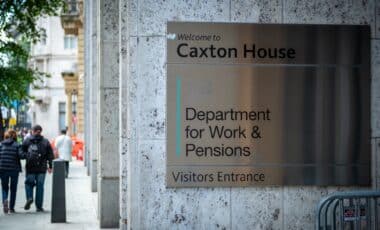
Attendance Allowance is designed for people with a disability or health condition that affects their daily lives. According to the DWP, nearly two million people across the country have entitlement to the benefit, which is paid at different rates depending on the level of support required.
The Eligibility Rules Behind Attendance Allowance Payments
Attendance Allowance is available to people who have reached State Pension age and have a physical disability, a mental disability or a health condition. The claimant must also need help caring for themselves or require supervision for their own safety or someone else’s safety.
According to the DWP guidance, this help must have been needed for at least six months, unless different rules apply for people nearing the end of life due to a life-limiting illness. The payment is not means-tested, meaning a person’s income or savings do not affect whether they can receive it. The benefit is paid directly into a bank account, usually every four weeks.
The lower rate is £76.70 per week for people who need help during the day or at night. The higher rate is £114.60 per week for those who need help during both the day and night, or for people who qualify under end-of-life rules. This results in a four-week payment of either £306.80 or £458.40. People living in Scotland do not apply for Attendance Allowance and instead need to apply for Pension Age Disability Payment, according to government guidance.

Eight Reasons a Person May Not Qualify for the Benefit
The DWP has outlined several situations where a claim for Attendance Allowance would not be accepted. These rules apply even if someone has reached State Pension age. A person may not qualify if they do not have a physical disability, mental disability or health condition. They may also be ineligible if their condition does not create a need for help with personal care or supervision.
The benefit cannot normally be claimed if the person has not needed this type of support for at least six months. There are also residence requirements. According to the DWP, claimants generally need to be in Great Britain when they apply, have been in Great Britain for at least two of the last three years, and habitually reside in the UK, Ireland, the Isle of Man or the Channel Islands.
People who are subject to immigration control are also excluded unless they meet specific exceptions. Another reason for not receiving Attendance Allowance is already claiming certain disability benefits, including Disability Living Allowance, Personal Independence Payment, Adult Disability Payment, Scottish Adult Disability Living Allowance or Armed Forces Independence Payment.
The DWP rules also state that people living in care homes may not usually receive Attendance Allowance if their care costs are being paid by a local authority. Those who pay all their own care home costs can still claim.
According to figures reported in relation to Attendance Allowance claims, common conditions among recipients include arthritis, dementia, heart disease and respiratory conditions. The presence of a particular condition does not automatically lead to an award, as each application is assessed based on how the condition affects the person’s need for support.