The change applies to employees who receive a P800 tax calculation showing they are owed money. The letter still explains the tax position and the amount due, but eligible taxpayers must take action to receive the refund.
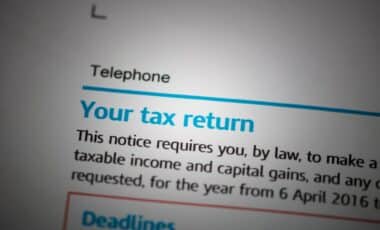
A P800 is a tax calculation letter issued by HMRC to people who have paid too much or too little tax through PAYE. According to HMRC guidance, the letter shows whether the correct amount of tax has been paid and explains how a refund can be claimed or how outstanding tax can be paid.
HMRC Moves Multi-Year Refunds to Online Requests
Under the previous system, taxpayers with an agreed multi-year refund claim could receive a cheque automatically after receiving their tax calculation. From August, HMRC has introduced a different process for the majority of employees making these claims.
According to HMRC, employees who submit a multi-year tax refund request will now need to request their repayment through HMRC’s digital services rather than automatically receiving a cheque.
The tax authority said the change brings multi-year claims in line with the wider P800 repayment process introduced in May 2024, where customers must take action to receive money they are owed.
Taxpayers who receive a P800 letter showing they are due a refund can use HMRC’s online services to request payment. They will need the reference number from their P800 letter and their National Insurance number. HMRC states that refunds claimed online are normally paid within five working days. Those requesting a cheque online may have to wait up to six weeks, while some P800 letters may still state that a cheque will be issued automatically.
Taxpayers Advised to Check P800 Letters Carefully
The change means some people may need to pay closer attention to HMRC correspondence to avoid missing a refund request. A P800 letter does not itself send payment in every case, and taxpayers must follow the instructions provided.
Tony Sanchez, founder of financial comparison site Bridging Loan Directory, said: “The danger is that money previously sent automatically must now be actively claimed. Some people will overlook the P800 letter, assume payment is on its way or struggle with the digital process, leaving legitimate refunds uncollected.”
Sanchez also advised taxpayers receiving a P800 to check the calculation and follow HMRC’s instructions rather than waiting for a cheque.
According to HMRC, people will generally receive a P800 if they are employed or receive a pension and HMRC believes they have paid the wrong amount of tax. Letters are sent between June and March following the end of the tax year.
A P800 may be issued for several reasons, including an incorrect tax code, changing jobs and being paid by two employers in the same month, starting to receive a workplace pension, or receiving certain benefits. The updated process applies to refunds linked to multi-year claims, while HMRC’s wider guidance continues to set out different repayment methods depending on the details shown on an individual’s tax calculation letter.