
Experts say the effects may be felt across global supply chains rather than through direct weather impacts in Britain. According to the Mirror, climate specialists and retail experts warn that disruption to agricultural production and higher energy demand could place further pressure on prices later this year and into the next.
The warning comes as the WMO says El Niño is developing in the Pacific Ocean, where unusually warm surface waters alter atmospheric circulation and weather patterns around the world. The resulting shifts can increase the likelihood of heatwaves, drought and flooding in different regions, affecting crops, fisheries and energy systems that supply international markets.
Food Imports Face Pressure as Weather Disrupts Harvests
Several imported food products could become more expensive if weather conditions affect major producing countries. According to the Mirror, Gareth Redmond-King of the Energy and Climate Intelligence Unit (ECIU) said rice is among the commodities at risk because India and Pakistan are expected to experience much drier conditions during El Niño.
He pointed to the previous major El Niño in 2023, when reduced harvests contributed to global shortages and India imposed export restrictions, increasing import costs in countries including the UK. Redmond-King also noted that Britain imports around two-fifths of its food, making it particularly exposed to weather-related disruption overseas.
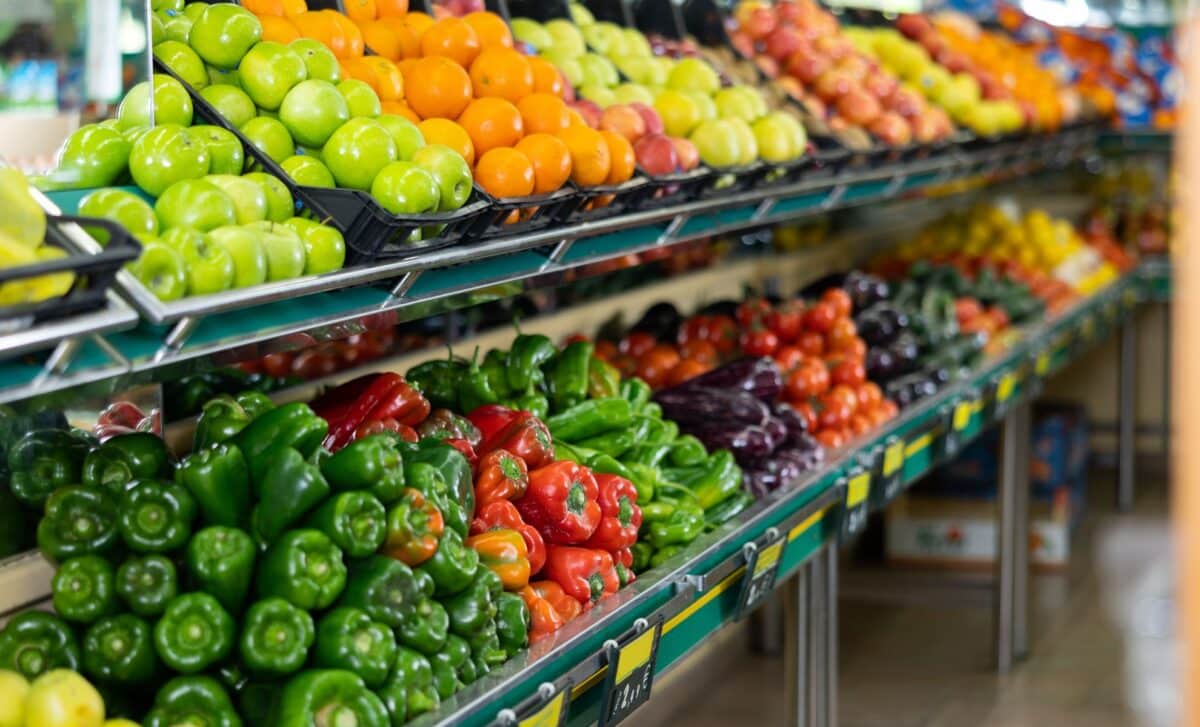
Fresh fruit and vegetables could also be affected. Former Tesco and Boots retail buyer Karen Green said Morocco may experience drought, potentially reducing supplies of tomatoes and peppers exported to the UK. Kenya, meanwhile, is more likely to face flooding, which could disrupt production of green beans and peas. Tropical fruits, including bananas and citrus fruits, are also identified as vulnerable because they rely on imports.
Coffee production faces similar challenges. Redmond-King said Brazil, the UK’s main coffee supplier, could experience increased heat and heavier rainfall, conditions that are not favourable for coffee crops. Vietnam, another major exporter, may experience hotter and drier weather, making planting and harvesting more difficult.
Chocolate prices could also remain under pressure. According to the Mirror, cocoa-producing countries in West Africa have already experienced failed harvests linked to drought, irregular rainfall and plant disease, with cocoa prices rising significantly over the past five years.
Fisheries and Energy Markets May Also Feel the Impact
The effects of El Niño extend beyond agriculture. Peru has already reported changes to its anchovy stocks as warmer ocean waters alter the fish’s habitat. Juvenile anchovies are particularly affected because they struggle to survive after moving into deeper waters. Officials have reduced this year’s fishing quota by one million tonnes compared with last year as a precaution.
Energy costs could also come under pressure as hotter conditions increase global demand for electricity used for air conditioning, refrigeration and irrigation. Redmond-King said this would come alongside existing pressures created by the war in Ukraine and tensions affecting energy markets, describing the combined situation as a “polycrisis”.
Karen Green said consumers are unlikely to see immediate price increases for products such as coffee, cocoa and rice because contracts are generally agreed several months in advance. Retailers also rarely accept supplier price increases with less than 12 weeks‘ notice. She said the effects are therefore more likely to appear in shops next year, with the possibility of further product shortages and shrinkflation if supply disruptions continue.