The latest forecast offers some reassurance ahead of winter, although millions of households will still face higher bills from this week. Rising debt levels and uncertainty over further government support continue to shape the wider picture.
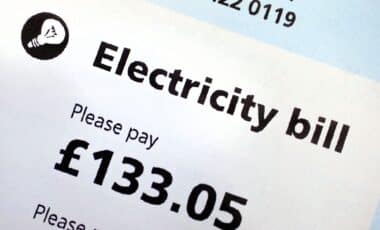
The average annual energy bill for a typical household using both gas and electricity will increase to £1,862 from Wednesday, following a 13% rise in Ofgem’s energy price cap. According to The Independent, this equates to an additional £18 a month, or £221 over the course of a year.
The increase follows a period of volatility in global energy markets linked to tensions in the Middle East. According to the reports, wholesale prices climbed after Iran blocked the Strait of Hormuz in response to military action involving the United States and Israel. The shipping route carries around one fifth of the world’s oil and gas supplies, while natural gas prices remain a major factor in determining UK electricity costs.
Wholesale Prices Ease as October Forecast Remains Stable
Despite the increase taking effect in July, analysts believe households are unlikely to face another significant rise later this year. According to Cornwall Insight, wholesale oil and natural gas prices have fallen after the United States and Iran agreed an interim deal aimed at ending the conflict, allowing the Strait of Hormuz to begin reopening.
As a result, Cornwall Insight expects the Ofgem price cap to remain relatively stable for the October to December period. The forecast comes after concerns that another increase could coincide with colder weather, when household energy consumption typically rises because of heating demand. Ofgem is expected to announce the next quarterly price cap, covering October through December, on or before 26 August.
Although the outlook has improved compared with earlier expectations, households will still face higher costs during the coming months unless energy prices fall further. According to figures released by Ofgem earlier this week, debt owed by customers to energy suppliers reached a record £4.79 billion during the three months to March. The total increased by 5% compared with the previous quarter and was 15% higher than a year earlier.
Government Support and Market Reform Remain under Discussion
It remains unclear whether the Government will introduce targeted financial support before winter. According to The Independent, Rachel Reeves said earlier this year that she would consider some form of assistance in the autumn if energy prices remained high.
Political uncertainty also surrounds the issue following the resignation of Sir Keir Starmer, with the identity of the next Chancellor yet to be confirmed. Cost-of-living pressures and household energy bills are expected to remain among the immediate challenges facing the incoming administration.
Separately, renewable energy supplier Good Energy has called for changes to the structure of the energy market. Its report, Rewiring the Market: How to Tackle the Hidden Causes of High Energy Bills, proposes moving policy costs from energy bills into general taxation, breaking the link between gas and electricity prices, and using Bank of England loans to support investment in renewable energy projects.
According to Good Energy, chief executive Nigel Pocklington said recent energy shocks caused by international conflicts had demonstrated that the current market structure was neither fit for purpose nor fair for households. He also called on the next prime minister to present a clear plan to reduce dependence on high gas prices and lower household energy bills over the longer term.