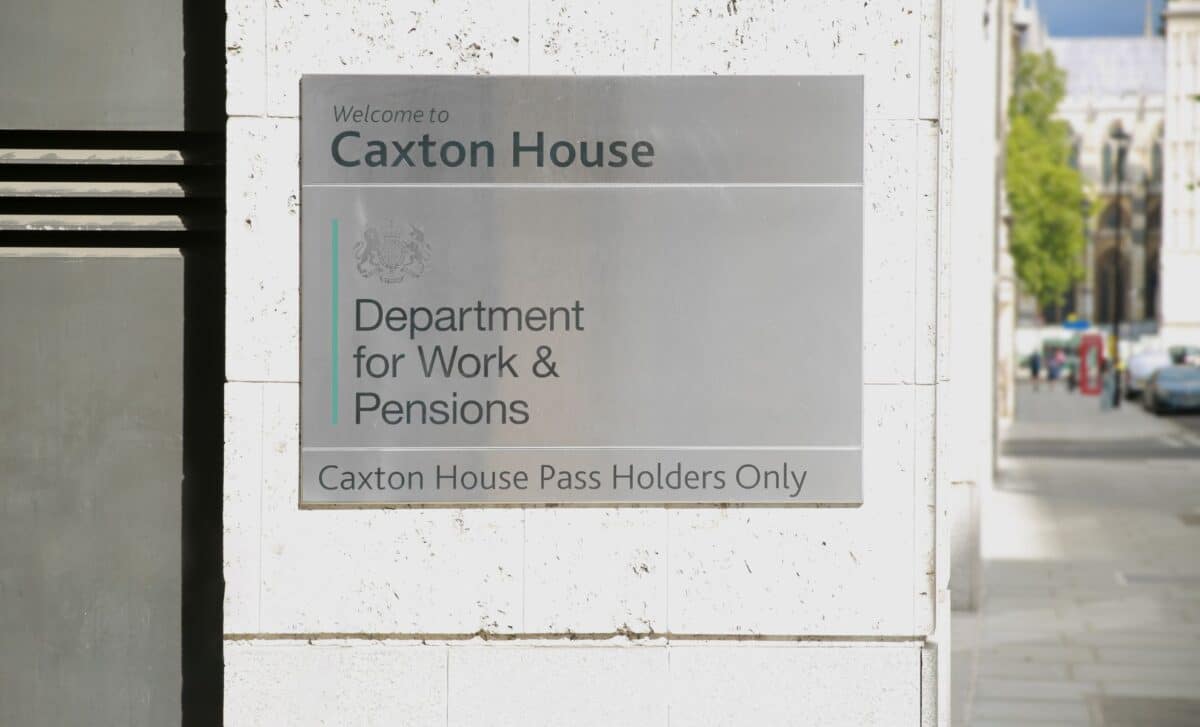
People claiming Personal Independence Payment (PIP) in England and Wales could now go longer before their entitlement is reviewed. The Department for Work and Pensions (DWP) has introduced new rules extending the minimum period between assessments for many recipients.
The change affects how long awards remain in place before a reassessment is required. According to information published by the DWP and detailed by PIP Back Pay Calculator, the new framework is intended to reduce unnecessary reviews and allow assessment resources to be directed elsewhere.
For many claimants, the change will provide greater certainty about future payments. It also reflects data showing that a large proportion of planned reviews result in no change to an award.
New Review Periods Introduced From June 2026
The new regulations came into force on 2 June 2026 and apply to most PIP claimants aged 25 and over in England and Wales. According to PIP Back Pay Calculator, the minimum review period for new claims has increased from as little as nine months to three years.
If a claimant remains entitled to PIP following that first review, a subsequent award can last up to five years before another review is required. BirminghamLive reported that DWP officials confirmed the extension of award lengths, noting that shorter review periods could previously create anxiety for claimants concerned about the continuity of payments.
The changes stem from the Universal Credit, Personal Independence Payment, Jobseeker’s Allowance and Employment and Support Allowance (Decisions and Appeals) (Amendment) Regulations 2026. The regulations also give the DWP the power to extend certain existing fixed-term awards where it considers this necessary for the efficient administration of the benefit.
Existing claimants will not automatically receive a longer award. According to the guidance published by PIP Back Pay Calculator, review dates remain unchanged unless the DWP writes to the claimant confirming an extension.
The rules do not apply to everyone. Claimants under the age of 25 are excluded from the new review schedule. The changes also do not apply in Scotland, where Adult Disability Payment has replaced PIP, or in Northern Ireland, where the benefit is administered under separate arrangements.

Fewer Reassessments and Ongoing Scrutiny of PIP
The DWP has linked the reforms to evidence showing that many reviews do not result in a different outcome. According to analysis of DWP Stat-Xplore data cited by PIP Back Pay Calculator, around 63% of planned award reviews over a five-year period resulted in the same award being maintained, while approximately 15% led to an increase and around 6% to a decrease.
The department’s stated aim is to reduce the number of reassessments for people whose conditions are considered stable. BirminghamLive reported that the policy is also intended to free up assessor capacity and help address existing backlogs.
While review intervals are changing, the assessment process itself remains largely the same. Claimants will still receive the AR1 review form, provide supporting evidence and, where required, undergo an assessment. According to PIP Back Pay Calculator, face-to-face assessments are expected to account for around 30% of assessments, although telephone and video appointments remain available.
The wider future of PIP remains under consideration through the Timms Review, which is examining issues including eligibility criteria and the role of the benefit. According to the published timetable, that review is expected to report in autumn 2026. The current operational changes do not alter eligibility rules, assessment descriptors or payment rates.