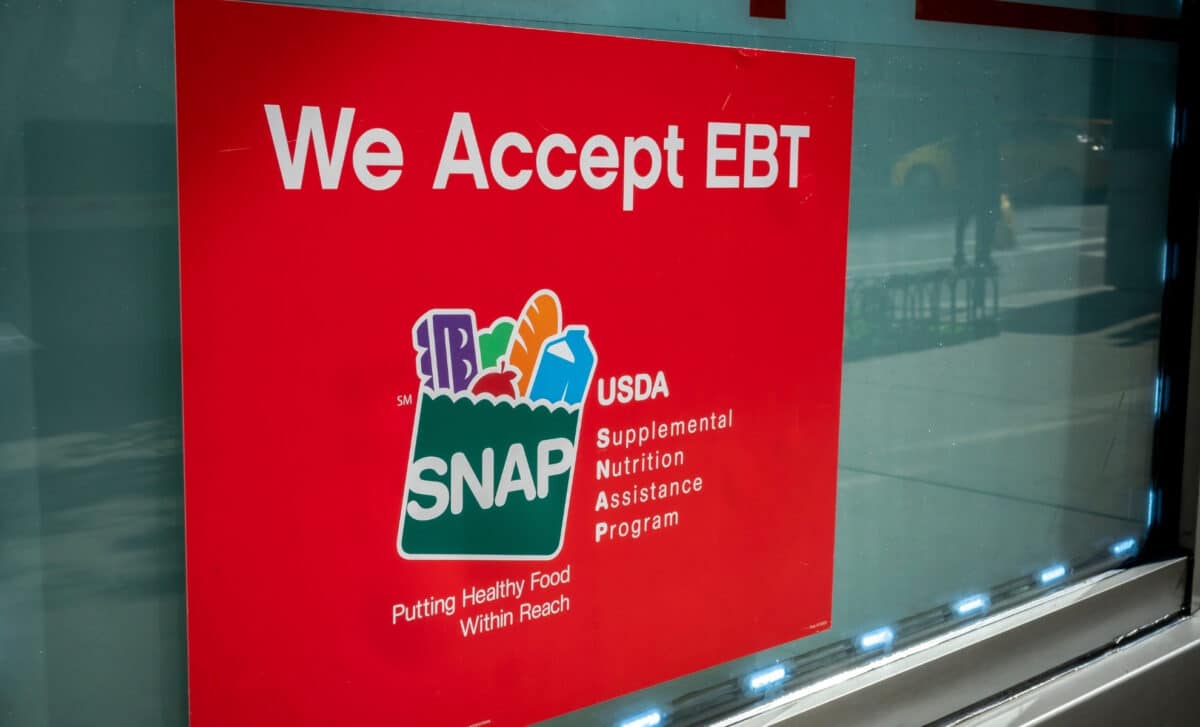
The changes represent a shift in how SNAP, formerly known as food stamps, is administered in some parts of the country. While the program has historically operated under largely uniform federal rules, waivers approved by the U.S. Department of Agriculture (USDA) now allow certain states to test more restrictive eligibility rules for specific food items.
For millions of SNAP recipients, the program remains a primary source of assistance for purchasing groceries intended for home consumption. According to Marca, the recent policy changes have fueled debate over the balance between promoting healthier diets and preserving participants’ freedom to choose the foods they buy.
Sugary Drinks and Candy Are the First Products Affected
The new restrictions focus mainly on sugary soft drinks and confectionery products. According to Marca, regular sodas containing added sugar are among the first items being removed from the list of eligible SNAP purchases in states operating under the new USDA waivers.
Many types of candy are also affected. The products identified include chocolate bars, gummy candies, hard candy and other confectionery items primarily made with sugar. Supporters of the policy argue that these foods offer little nutritional value while contributing to obesity, diabetes and other chronic health conditions.
The restrictions do not extend to every product that contains sugar. Yogurt, breakfast cereal, bread, flavored milk and certain snack foods may still qualify for purchase depending on existing federal SNAP guidelines and the policies adopted by individual states.

Most Grocery Staples Remain Eligible Under Snap
Despite the new restrictions, the overwhelming majority of traditional grocery items continue to qualify for purchase with SNAP benefits. Recipients can still use their benefits to buy fruit juice, bottled water, milk, fresh fruits and vegetables, meat, poultry, seafood, eggs, rice, pasta, beans and frozen vegetables.
The article notes that eligibility depends on how products are categorized under federal SNAP rules rather than simply on whether they contain sugar. As a result, many everyday food products remain covered even in states implementing the new purchasing restrictions.
The changes also do not alter long-standing exclusions already in place under the program. SNAP benefits still cannot be used to purchase alcoholic beverages, tobacco products, vitamins, supplements, medicines, hot prepared meals intended for immediate consumption or non-food household goods such as soap, paper products and pet food.
The Restrictions Apply Only in States Approved for USDA Waivers
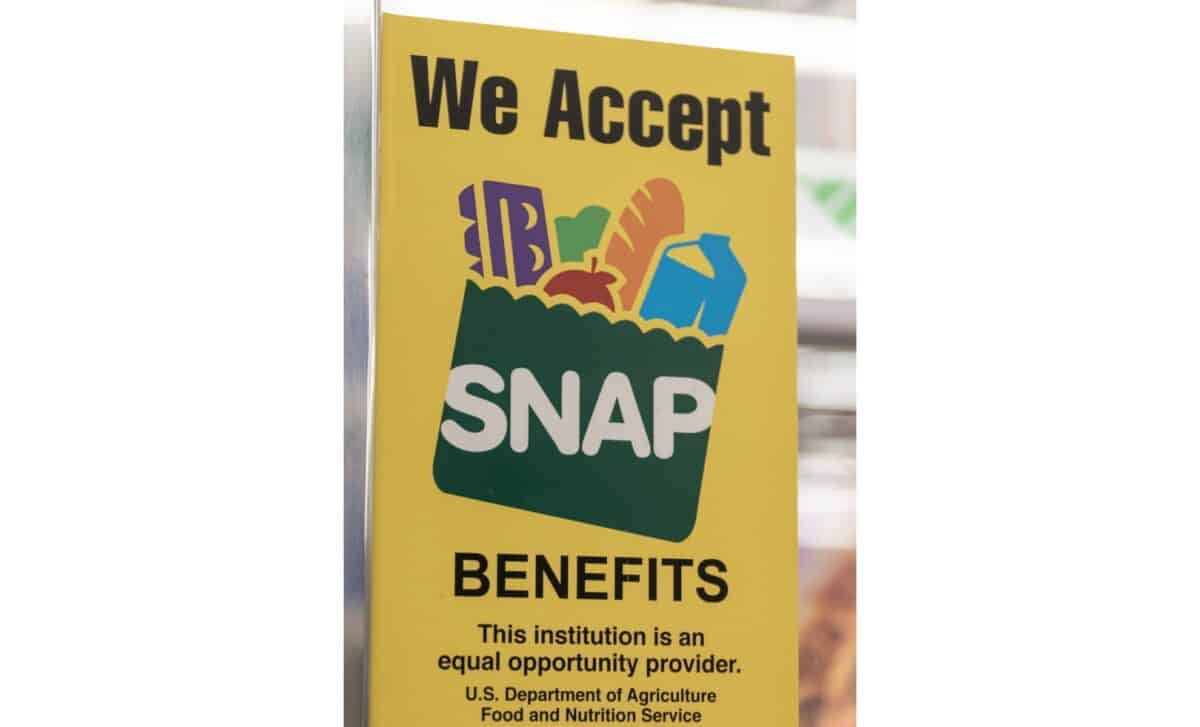
One of the central points highlighted in the report is that the new purchasing restrictions are not being implemented nationwide. Instead, they apply only in states that have received approval from the USDA through waiver programs allowing them to test modified SNAP purchasing rules.
States that have not received such waivers continue to follow the traditional federal SNAP guidelines, meaning recipients there may still purchase products that remain eligible under existing rules. The exact list of prohibited items may also differ from one participating state to another because each waiver is not necessarily identical.
State agencies administering SNAP are responsible for notifying recipients before any new purchasing restrictions take effect. The policy has generated debate among nutrition experts, anti-hunger organizations and public officials. Supporters argue the changes better align SNAP with its nutritional objectives, while opponents maintain that food affordability, access to grocery stores and broader economic conditions play a greater role in shaping diets than restricting individual products. Recipients are encouraged to stay informed through their state’s SNAP agency because eligibility rules may now vary depending on where they live.