
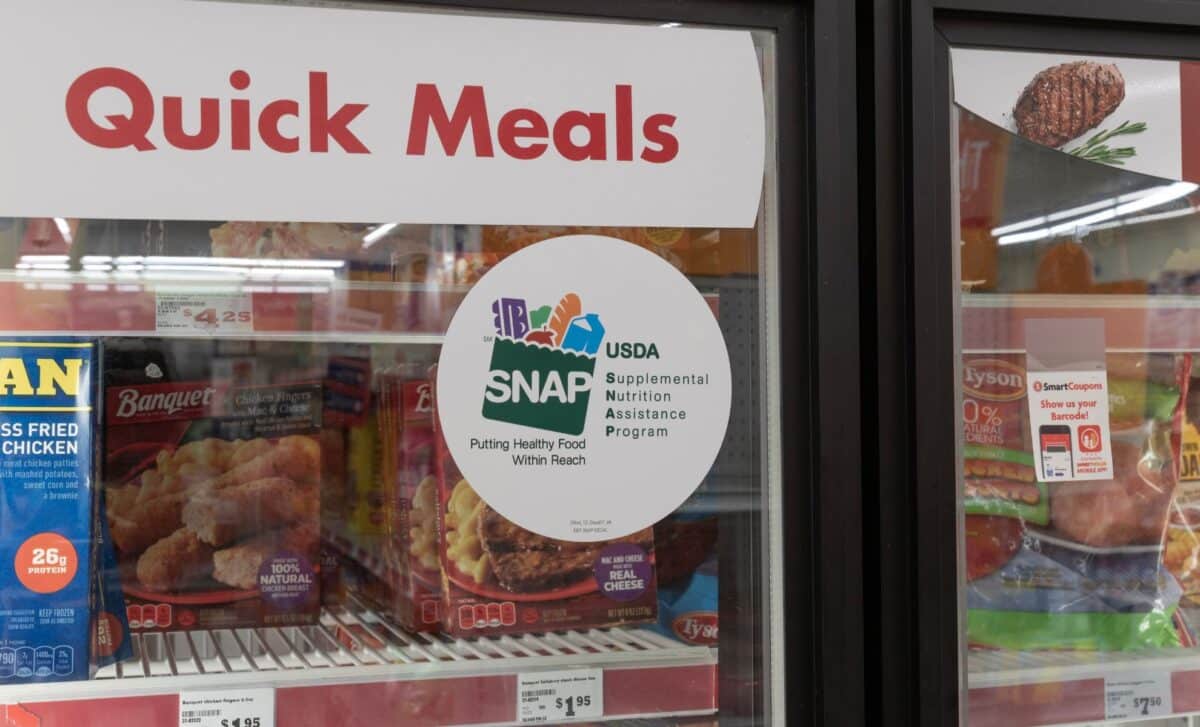
New York City Mayor Zohran Mamdani has reached an agreement with President Donald Trump to delay enforcement of new federal food-stocking requirements for retailers participating in the Supplemental Nutrition Assistance Program (SNAP). The 90-day extension applies nationwide, giving bodegas, convenience stores and small grocery businesses additional time to meet the standards.
The agreement follows concerns that thousands of neighborhood stores could lose authorization to accept food assistance benefits if they failed to comply. The regulations, originally scheduled to take effect November 4, require retailers to offer a wider selection of staple foods, creating challenges for businesses with limited storage and refrigeration space.
New SNAP Requirements Put Pressure on Neighborhood Stores
Under the revised regulations issued by the U.S. Department of Agriculture (USDA), participating retailers must stock at least seven varieties of food across four categories: dairy, grains, protein, and fruits and vegetables. The previous requirement was three varieties per category.
Stores must also carry perishable products in at least three categories, rather than two, and maintain three units of each qualifying variety. The minimum inventory therefore reaches 84 qualifying items. Products including butter, jerky, snack bars and fruit spreads no longer count toward these requirements.
According to Newsweek, more than 250,000 retailers nationwide are authorized to participate in SNAP, which provides food assistance to more than 36 million Americans. Smaller establishments face particular difficulties meeting the expanded standards because of their available shelf space and refrigeration capacity.
New York City has approximately 10,000 bodegas and corner stores. These businesses depend partly on purchases made through SNAP, making continued authorization a financial concern.
The New York Times reported that food stamp purchases represent between 15 and 20 percent of sales at a typical bodega, reaching 30 percent in some Bronx neighborhoods.
Mamdani initially requested a six-month postponement from Agriculture Secretary Brooke Rollins. He argued that retailers had received detailed federal guidance only on September 4, leaving insufficient time to prepare before the November deadline. A separate group of 12 Republican senators had also requested a six-month implementation delay in September.
Trump Administration Grants Temporary Nationwide Extension
Mamdani announced the agreement on November 13 following conversations with Trump and Rollins. The USDA subsequently confirmed that retailers would receive another 90 days to satisfy the stocking requirements.
At a City Hall news conference, Mamdani described the agreement as a victory for small businesses and said he had raised their concerns directly with the president.
According to The Guardian, more than 100 bodega owners had contacted the mayor’s office about the regulations. Mamdani warned that losing SNAP authorization could also reduce access to groceries for families relying on neighborhood stores.
The extension does not eliminate the federal requirements or change the amount of assistance SNAP recipients receive. Retailers must still comply when the additional enforcement period expires.
The agreement also comes amid broader changes to federal food assistance policy, including tighter eligibility and work requirements. Gina Plata-Nino, interim SNAP director at the Food Research and Action Center, welcomed the postponement while emphasizing that it did not reverse those wider changes.
Mamdani said New York City agencies would work alongside federal officials to help store owners understand the regulations and prepare for implementation. For participating retailers, the immediate result is additional time to adjust their inventories while retaining access to SNAP transactions.