
Millions of residents in the San Francisco Bay Area could face higher costs when replacing gas furnaces under a new heating rule scheduled to take effect in 2029. The Bay Area Air Quality Management District plans to require affected homeowners to install electric heat pumps when their existing gas furnaces stop working.
New Rule Covers Nine California Counties
The requirement would apply across the nine-county Bay Area, a region with nearly eight million residents, according to an agency analysis cited by the San Francisco Chronicle.
Under the rule, homeowners would no longer be able to replace a failed gas furnace with another gas-powered system once the requirement takes effect. Instead, they would need to install an electric heat pump.
Heat Pump Installation Could Cost $21,000
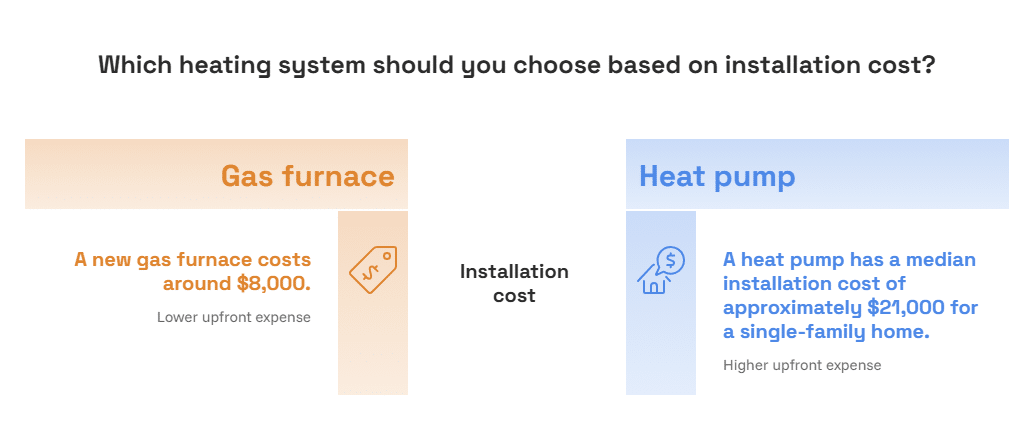
The potential expense is considerably higher than replacing a conventional gas furnace, according to the figures cited in the source. A new gas furnace costs around $8,000, while a heat pump has a median installation cost of approximately $21,000 for a single-family home.
That creates a difference of roughly $12,500 between the two options. The actual cost could vary depending on the property and the work needed for installation.
Electrical Work Could Add Thousands More
The cost of the heating system is not the only expense some homeowners could face. Older properties may need electrical upgrades before a heat pump can be installed.
For a single-family home, those upgrades could cost around $11,000, according to the figures cited. For multifamily buildings, the additional electrical work could reach $30,000.
Some properties may also require new electrical panels, dedicated circuits or changes to existing ductwork.
Existing air conditioning could change the calculation
Heat pumps provide both heating and air conditioning, which could reduce the difference in total costs for homeowners who would otherwise need to install a separate air-conditioning system.
A conventional air-conditioning installation can cost around $10,000, according to the source.
For a homeowner who does not already have air conditioning, the ability to get both heating and cooling from one system could bring the effective difference between the options down to around $2,000.
Costs Will Depend on Each Property
The figures cited are not a single charge that every homeowner would face. Installation costs can vary according to the type of property, its existing electrical system, ductwork and whether additional upgrades are required.
The new requirement is scheduled to begin in 2029, meaning affected homeowners have time to review the potential costs associated with replacing their heating systems. The policy would mark a major change for households that currently rely on natural gas furnaces in the nine-county Bay Area.