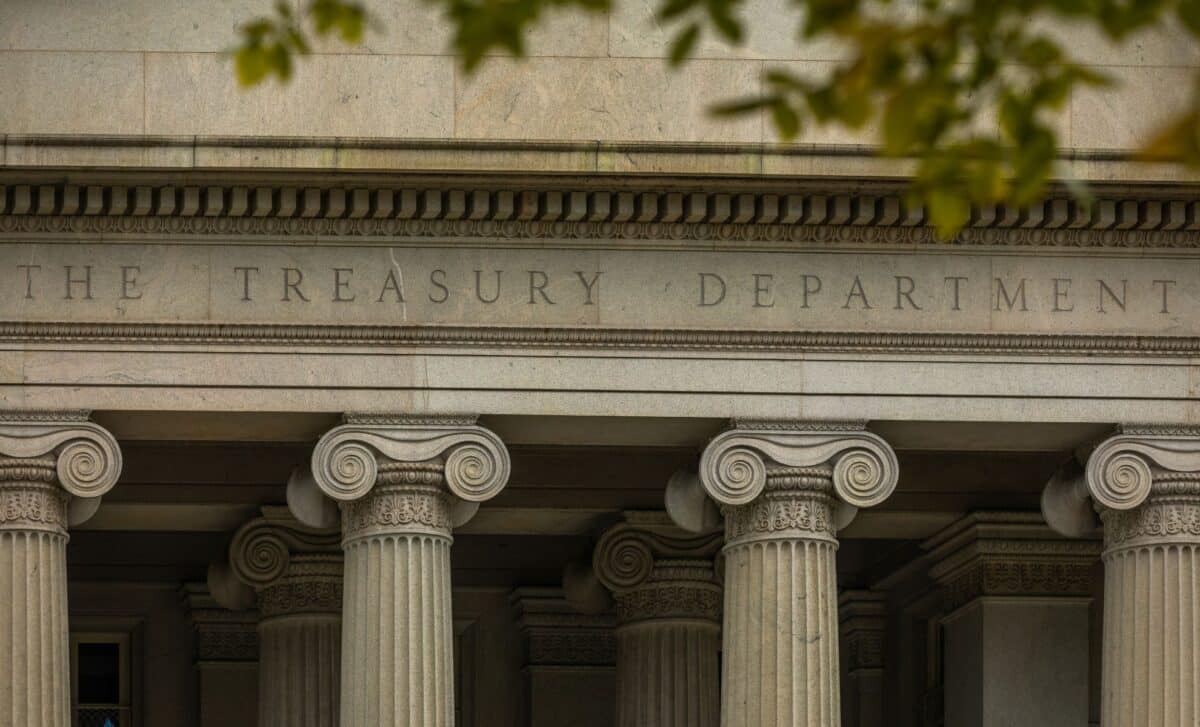
The yield on the 30-year US Treasury bond rose to nearly 5.24%, its highest point since 2007, after policymakers held the benchmark interest rate between 3.5% and 3.75% for the fifth consecutive meeting. The move reflected growing concern that inflation could remain elevated for longer.
The decision came as investors assessed the impact of rising oil prices linked to the conflict between Donald Trump’s administration and Iran, alongside broader economic pressures. According to the Guardian, US inflation had slowed to an annual rate of 3.5% in June after a temporary ceasefire between Washington and Tehran, but renewed fighting pushed oil prices higher again.
Treasury Yields Rise as Markets Question the Fed’s Inflation Strategy
Long-term borrowing costs increased after the Federal Reserve chose not to raise short-term interest rates, despite some investors expecting a further increase. According to the New York Times, the 30-year Treasury yield climbed by 0.11 percentage points to 5.22%, marking its largest one-day increase in more than a year.
The rise in Treasury yields affects borrowing costs for governments, companies and consumers because these rates influence wider financial markets. The 10-year Treasury yield, considered one of the most closely watched interest rates globally, also increased to 4.67%.
Investors have been focused on whether the Federal Reserve can maintain control over inflation. Subadra Rajappa, an interest rate strategist at Société Générale, said the market was concerned that the decision not to increase rates could lead to inflation staying higher for longer.
The concerns have extended beyond short-term price pressures. According to the New York Times, the market’s measure of expected inflation over 30 years, known as the 30-year breakeven rate, recorded its largest daily increase since November 2024.
Warsh Defends Commitment to 2% Inflation Target After Rate Pause
Federal Reserve chair Kevin Warsh said the central bank remained committed to returning inflation to its 2% target. He said the Fed would “not waver” in carrying out its responsibilities and rejected the idea that policymakers had accepted a higher inflation goal.
“The market is concerned that the Fed not hiking is going to result in persistently higher inflation,” Rajappa said, highlighting investor doubts after the decision to leave rates unchanged.
According to the Guardian, Felix Schmidt, a senior economist at Berenberg, said Warsh had not fully explained why the Fed decided against raising rates. He suggested that higher long-term market interest rates could already be contributing to tighter financial conditions.
Financial markets had previously priced in a 30% chance of a rate increase during the Fed’s meeting. After the decision, traders estimated a 57% chance of a rate rise at the September meeting, according to the CME Group FedWatch tool.
US stock markets also declined following the announcement. The S&P 500 fell 1.5%, the Dow Jones Industrial Average dropped 2.2%, and the Nasdaq declined 1.7%. The rise in Treasury yields reflects wider uncertainty about inflation expectations and the Federal Reserve’s ability to reassure investors while maintaining its policy decisions.