
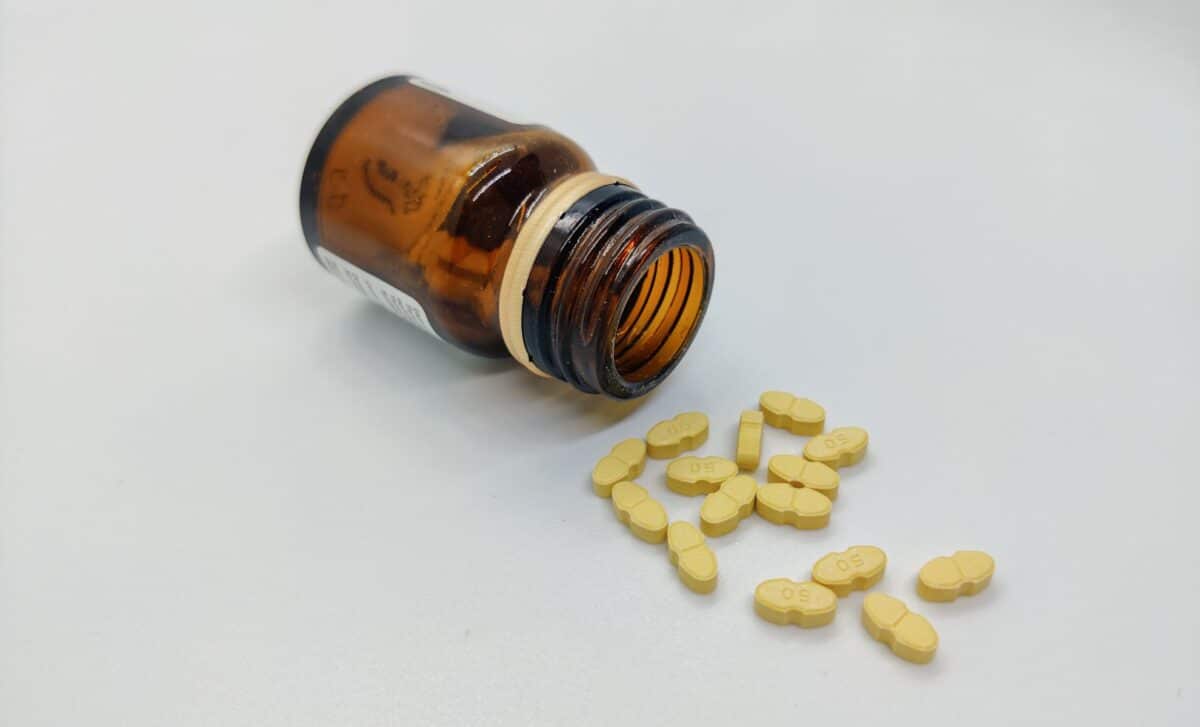
Vitruvias Therapeutics has voluntarily recalled one lot of its Thyroid Tablets, USP 30 mg after testing found the medication could be more potent than intended. The recall covers thousands of units distributed across the United States, although the company says it has received no reports of adverse events known to be connected to the affected tablets.
The medication is used to treat hypothyroidism, a condition in which the thyroid does not produce enough hormone. Because thyroid hormone dosing must be carefully controlled, tablets containing more active hormone than intended can expose patients to symptoms associated with an overactive thyroid, particularly when the medication is taken over an extended period.
One Lot of 30 MG Thyroid Tablets Is Affected
The recall applies specifically to Lot 504950 of Vitruvias Therapeutics’ Thyroid Tablets, USP 30 mg. According to the U.S. Food and Drug Administration, the affected medication carries National Drug Code 69680-166-00 and has an expiration date of September 30, 2026.
A total of 3,655 units from the lot were released, and 1,955 units were sold. The tablets were distributed nationwide to the company’s direct accounts between January 31, 2025, and September 30, 2025.
Vitruvias Therapeutics announced the voluntary recall on August 21, 2026, and the FDA published the company notice on August 24. Testing had confirmed the potential for the product to be “superpotent,” meaning the tablets could contain more thyroid hormone activity than intended.
The product, known as Thyroid, USP, is a natural thyroid preparation derived from porcine thyroid glands. It contains both levothyroxine and liothyronine and is prescribed for patients with hypothyroidism. Vitruvias Therapeutics is notifying wholesalers by email and phone and has instructed them to stop distributing the affected product. The company is also arranging for recalled units to be destroyed.
Excess Thyroid Hormone Can Pose Health Risks
Taking superpotent thyroid tablets may cause hyperthyroidism, or an overactive thyroid. According to the FDA recall notice, possible effects include weight loss, heat intolerance, fatigue, nervousness, muscle weakness, hypertension, chest pain, rapid heart rate and heart rhythm disturbances.
Some groups face greater risks from excessive thyroid hormone exposure. The company said elderly patients, pregnant women and infants may be particularly vulnerable, especially when excessive doses are taken for longer periods.
In elderly patients, excessive thyroid hormone levels have been associated with adverse cardiac outcomes. Overtreatment of hypothyroidism during pregnancy has been associated with a higher rate of maternal and fetal complications, including premature delivery and low birth weight. In infants, excessive treatment may negatively affect growth and development.
Despite those potential risks, Vitruvias Therapeutics said it has not received reports of adverse events known to be associated with the recall. Patients taking tablets from Lot 504950 should not stop using the medication on their own. According to the company’s notice, they should first contact their healthcare provider for guidance or, when appropriate, a replacement prescription.
Consumers with questions can contact Vitruvias Therapeutics at [email protected] or by phone at 256-239-9373 from 9 a.m. to 5 p.m. Central Time, Monday through Friday. Anyone who experiences a problem that may be associated with the medication is advised to contact a physician or other healthcare provider.