
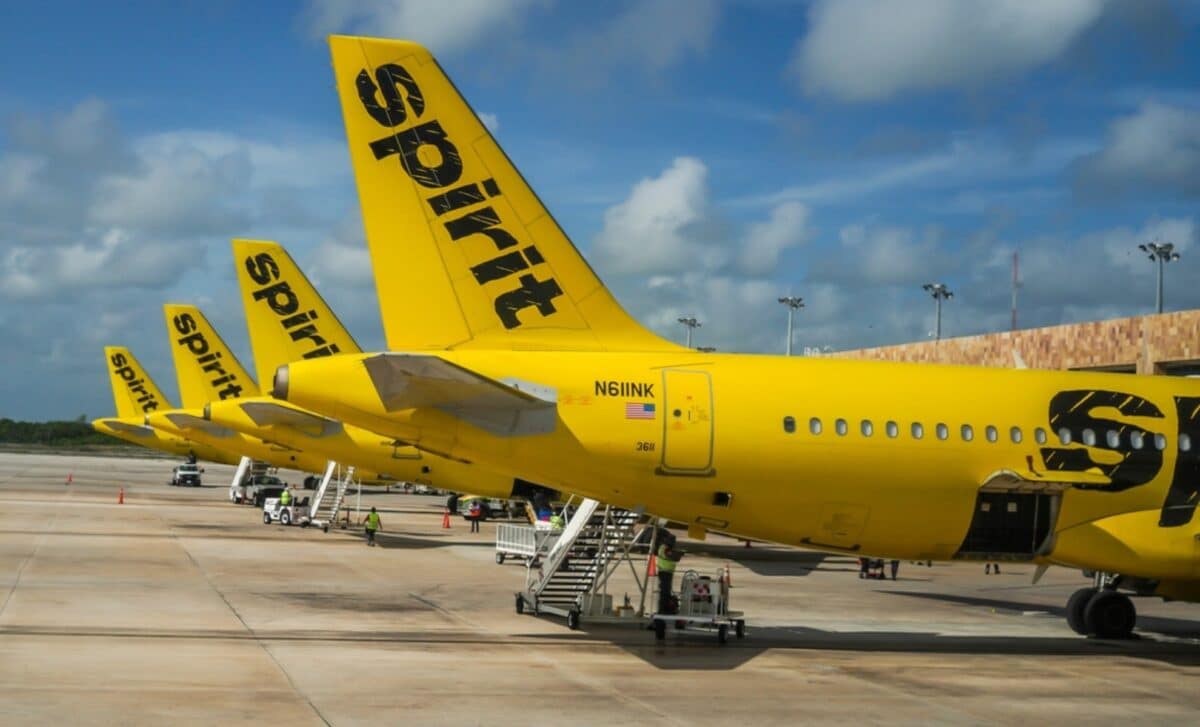
Spirit Airlines has abruptly ceased operations, leaving tens of thousands of passengers stranded and forcing many to urgently rearrange travel plans. The shutdown marks the first collapse of a major US airline in over 25 years, sending shockwaves across the aviation sector.
Spirit Airlines Collapse After Years of Financial Struggles
The airline’s closure follows a prolonged period of financial instability. Spirit had entered bankruptcy twice in recent years, struggling to recover from the impact of the pandemic and rising operational costs.
Despite attempts to restructure and secure a rescue deal, negotiations failed at the last minute. Rising jet fuel costs, linked to geopolitical tensions, added further pressure on the airline’s finances, making recovery increasingly difficult.
Flights Cancelled and Customer Service Overwhelmed
The immediate effect of the shutdown has been widespread disruption. All flights were cancelled, and passengers were advised not to travel to airports. Many customers reported being unable to reach customer service, adding to confusion and frustration.
An estimated 60,000 passengers per day are affected in the short term, with many forced to find alternative flights at short notice.
What Passengers Can Do Now
Travellers who had bookings with Spirit must now seek alternatives independently. Several airlines, including United, Delta, Southwest and JetBlue, have introduced limited “rescue fares” to help affected passengers.
These fares are typically capped and require proof of a Spirit booking, but availability may be restricted. Acting quickly is advised, as seats are expected to fill rapidly.
Refund Process and Limitations
Spirit has stated that customers who paid using credit or debit cards will receive automatic refunds. However, those who booked through third parties must contact their travel agents directly, explains CNN.
Passengers who used points, vouchers or credits may face uncertainty, as these refunds depend on bankruptcy proceedings and may not be fully recovered.
Wider Impact on the Airline Industry
Spirit’s collapse highlights the vulnerability of low-cost carriers in a challenging economic environment. Rising fuel costs and competitive pricing pressures have made it harder for smaller airlines to remain profitable.
Larger airlines have been better positioned to absorb these shocks, while budget carriers face tighter margins and fewer options to adjust pricing.
What This Means for Travelers
For passengers, the shutdown underlines the importance of flexibility when planning travel. Disruptions can occur suddenly, especially in a volatile market environment.
In the short term, affected travellers must act quickly to secure new flights and explore refund options. In the longer term, the event may reshape competition in the low-cost airline sector, with fewer options available for budget-conscious travellers.