
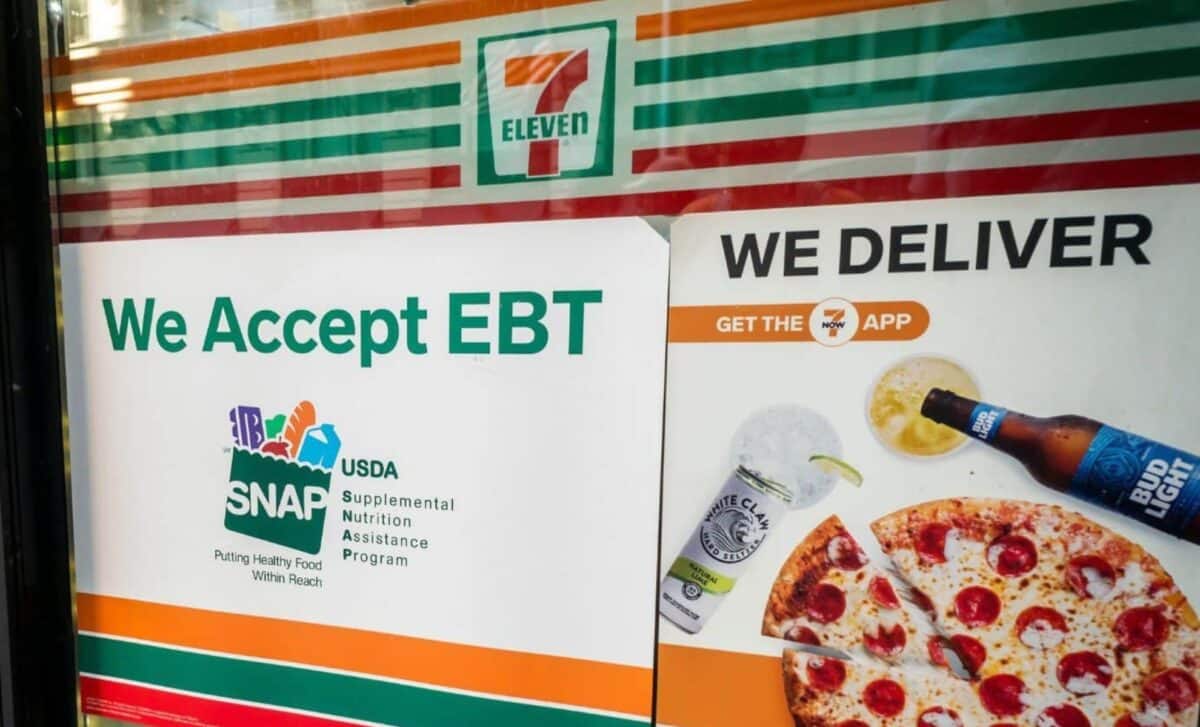
The restrictions form part of a wider government effort to improve nutrition among low-income households and reduce the prevalence of chronic diseases. The legal challenge has raised questions about the administration’s authority to change food eligibility rules and the consequences for people with specific dietary and medical needs.
When Food Restrictions Interfere With Medical Needs
Filed on 18 November 2026 in the US District Court for the District of Columbia, the proposed class-action lawsuit involves 17 individuals and the South Carolina Convenience & Petroleum Marketers Association.
According to the 55-page legal complaint, none of the 18 challenged state waivers provides exceptions for medical necessity, regardless of recipients’ individual health or nutritional circumstances.
Tamara Wagner, a resident of Fargo, North Dakota, has diabetes, postural orthostatic tachycardia syndrome and Ehlers-Danlos syndrome. She relies on electrolyte drinks for hydration, sweets to manage drops in blood sugar and diet fizzy drinks to alleviate nausea.
Since North Dakota introduced its restrictions on 1 November, Wagner has reportedly been rationing certain beverages, experiencing increased nausea and struggling to take her prescribed medication regularly.
In Idaho, another plaintiff, Kristin Meyer, relies on electrolyte-infused drinks and nutrition bars to manage several chronic conditions. The complaint alleges that her kidney function, digestion and autonomic function have deteriorated since the restrictions took effect.
According to the New York Post, the measures also affect Kathryn Fitzpatrick, a Montana resident with autism and ADHD, who relies on readily available snacks and energy drinks to help manage difficulties associated with preparing meals. The plaintiffs maintain that their limited incomes leave them unable to purchase restricted products using alternative funds.

A Dispute Over the Government’s Legal Authority
The US Department of Agriculture (USDA) has approved food restriction waivers allowing states to determine which additional products SNAP recipients cannot purchase with their benefits.
The restrictions vary considerably. Hawaii’s waiver, scheduled to take effect in April 2027, covers soft drinks, while Florida’s existing measures exclude fizzy drinks, energy drinks, sweets and prepared desserts.
Health and Human Services Secretary Robert F. Kennedy Jr. has defended the policy, arguing that taxpayer-funded assistance should not subsidise products associated with diabetes and chronic disease.
“These waivers help put real food back at the center of the program and empower states to lead the charge in protecting public health,” Kennedy said in an earlier statement.
The plaintiffs dispute the legal basis for the waivers, arguing that the USDA relied on statutory provisions intended to improve programme administration rather than recipients’ dietary health.
According to Newsweek, US District Judge Amy Berman Jackson blocked similar restrictions in Colorado, Iowa, Nebraska, Tennessee and West Virginia in June 2026, ruling that the department lacked the statutory authority to approve them. The new lawsuit also challenges the USDA’s failure to provide an opportunity for public comment before implementing restrictions in eight of the 18 states.