
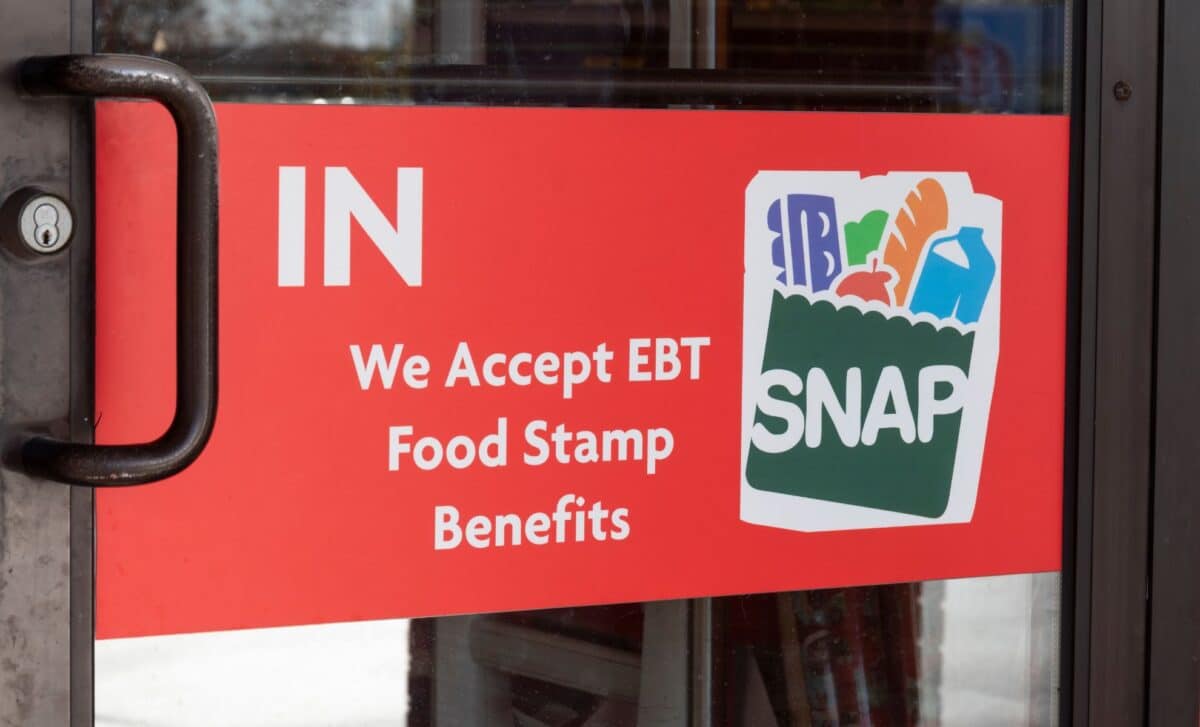
Pennsylvania’s new $50.8 billion state budget includes $7 million to replace current SNAP electronic benefit transfer cards with more secure chip-enabled cards. The change is intended to reduce the risk of benefit theft affecting households that rely on the program to buy food.
The transition will move away from magnetic stripe technology, which has been targeted by criminals using skimming devices to capture personal identification numbers and steal funds from recipients’ accounts. State officials said the replacement process is expected to take about six to eight months, though a specific timeline has not yet been finalized.
A Shift Toward Safer Electronic Benefit Transfer Cards
The Pennsylvania Department of Human Services said the administration identified the need for stronger security measures to protect SNAP recipients. According to a department spokesperson, the investment reflects an effort to help ensure people can continue accessing benefits intended to support their food needs.
Current EBT cards use magnetic stripes and have fewer security protections than many standard debit and credit cards. Criminals have used devices attached to store card readers to collect recipients’ information, allowing them to withdraw benefits electronically. These thefts often occur shortly after funds are deposited, when the available balance is highest.
According to estimates from the Government Accountability Office, SNAP skimming incidents have likely resulted in hundreds of millions of dollars in stolen benefits each year nationwide. Another analysis found that many of these thefts are carried out by overseas criminal groups.
The problem has affected households across Pennsylvania. Butler resident Rick Berry said he was among a group of neighbors whose benefits were stolen earlier this year. He said he was frustrated by the response from public officials and by the fact that victims could not recover the lost money. “We have people in this building that went hungry,” Berry said.
The new chip cards are part of a broader national move to improve SNAP payment security. According to the U.S. Department of Agriculture, which oversees the SNAP program, seven states have already switched to chip-enabled cards, while four others are currently making the transition.
Debate Continues Over Reimbursement for Stolen Benefits
While Pennsylvania’s budget addresses card security, the question of replacing stolen benefits remains unresolved for many recipients. For a limited period, SNAP victims could receive reimbursement for stolen funds, but Congress ended that program in December 2024.
Without reimbursement, households affected by theft may lose an entire month’s food assistance and have few options beyond seeking help from food pantries or community organizations. Just Harvest, a Pittsburgh-based anti-hunger advocacy group, has argued that victims should be compensated because losing SNAP benefits can create wider financial problems.
“It ends up setting off this spiraling situation of financial instability because they were robbed of their SNAP benefits,” said Ann Sanders, director of public benefits policy and programs at Just Harvest.
Federal lawmakers have also proposed changes. U.S. Sen. John Fetterman, a Pennsylvania Democrat, introduced the Fairness for Victims of SNAP Skimming Act, which would allow households to receive replacement funds for stolen benefits. According to the report, the proposal is not included in the current version of the Farm Bill moving through Congress.
Pennsylvania’s planned transition to chip-enabled cards addresses one part of the problem by improving card security. The broader issue of how to support victims after theft remains part of an ongoing policy debate.