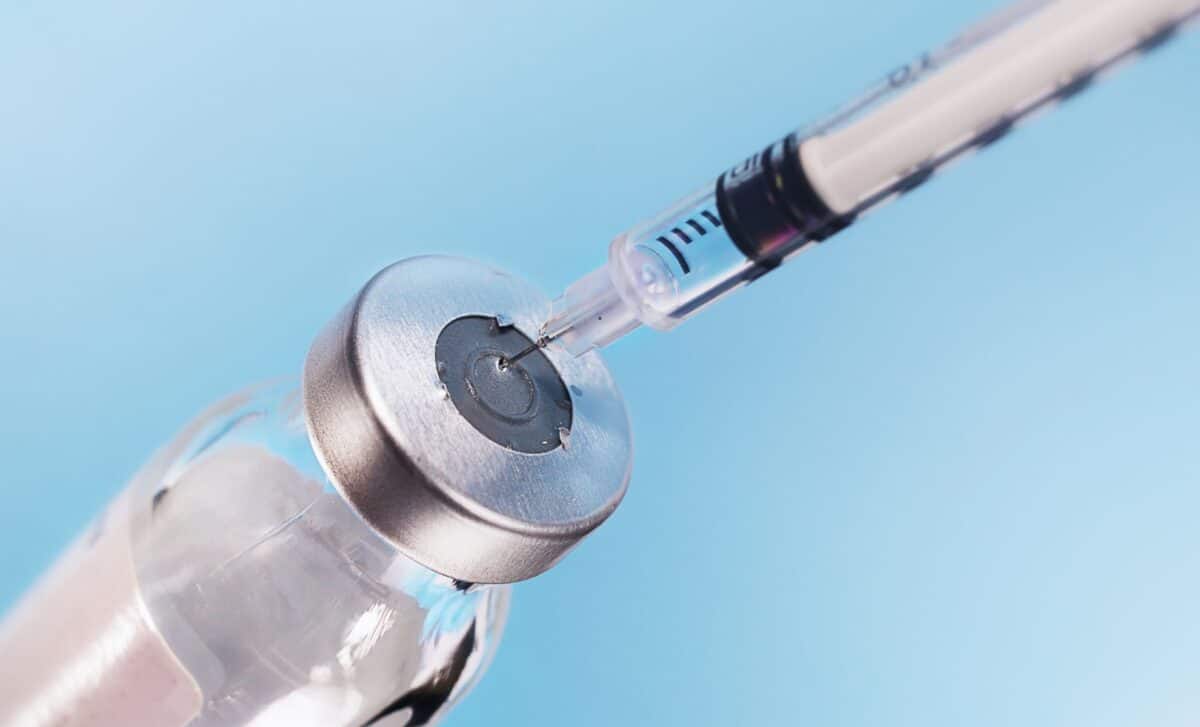
A nationwide recall has been issued for an injectable medication after inspectors detected glass particulate matter and paraformaldehyde contamination, raising concerns about the potential risks posed to patients receiving the product. The recall involves American Regent, Inc., which is removing affected units from the market while health authorities investigate the issue.
FDA Warns Of Potential Risks From Contaminated Injectable Medication
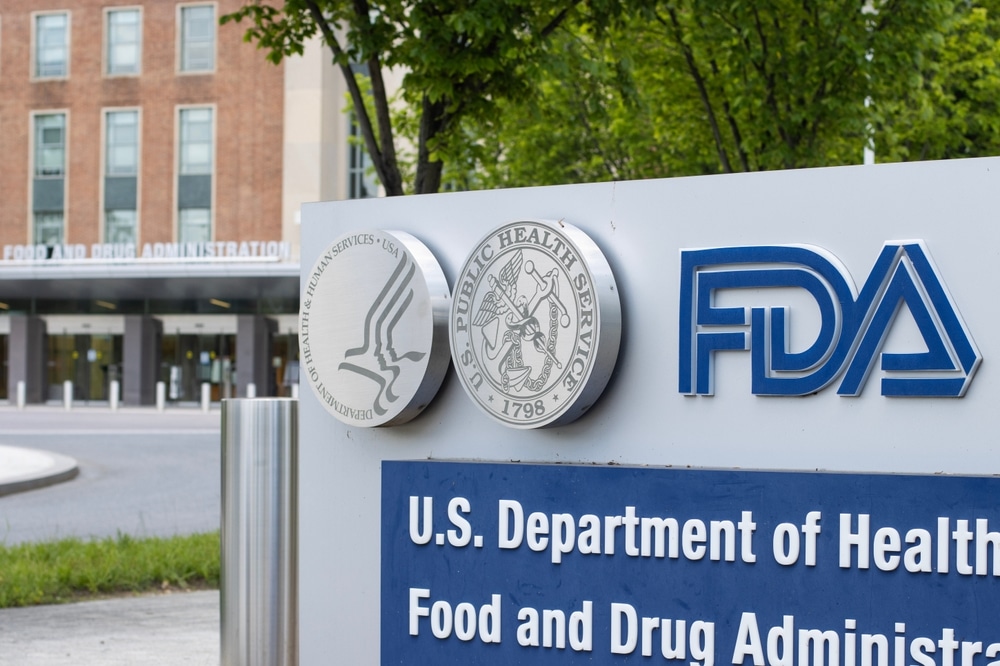
The Food and Drug Administration (FDA) announced information about the recall after concerns emerged over foreign material found in the injectable drug. The agency said the presence of particles inside injectable medicines can create serious medical hazards because the material may enter a patient’s bloodstream during treatment.
“The particulate matter could travel through and block blood vessels in the heart, lungs or brain which can cause stroke and even lead to death,” the FDA warns.
Injectable medications require strict quality controls because they bypass many of the body’s natural defenses and are delivered directly into tissues or the bloodstream. Even small amounts of foreign material can create risks depending on the location where particles travel after administration.
The FDA’s notice highlights the need for healthcare providers, pharmacies and distributors to check their supplies carefully and stop using affected products immediately. Medical facilities that have the recalled medication in storage are being advised to separate the units and follow official instructions for handling the affected inventory.
© Shutterstock
American Regent Initiates Recall After Manufacturing Concerns
The recall was launched by American Regent, Inc., a company specializing in injectable pharmaceutical products used in hospitals and healthcare settings. The company is working with regulators to remove the affected medication from circulation and prevent further use of potentially contaminated units.
The issue involves the detection of glass particles and paraformaldehyde, a chemical compound that can appear as a breakdown product or contaminant under certain conditions. The discovery prompted the company to take action across the United States rather than limit the recall to a specific region.
“To date, American Regent, Inc. has not received any reports of adverse events related to this recall.”
The absence of reported adverse events does not eliminate the potential risk, which is why the company and regulators are taking preventive measures. Healthcare professionals are encouraged to monitor patients who may have received the recalled product and report any suspected reactions through appropriate safety reporting channels.
Healthcare Providers Asked To Review Supplies And Patient Records
Hospitals, clinics and other medical facilities that use injectable medications are among the primary groups affected by the recall. These organizations must review their inventories to identify whether they have received any recalled units and ensure those products are no longer administered.
Pharmacists and healthcare workers are typically responsible for checking recall notices, tracking affected lot numbers and coordinating replacement supplies when necessary. The process helps reduce the possibility that recalled products remain available for patient treatment.
Patients who believe they may have received the medication are advised to contact their healthcare provider if they experience unusual symptoms or have concerns about their treatment. Medical professionals can determine whether additional monitoring or follow-up care is needed based on individual circumstances.
The recall demonstrates the level of scrutiny applied to injectable medicines, where contamination risks can have serious consequences even when no immediate injuries have been reported.
Recall Highlights Ongoing Focus On Drug Safety Standards
The latest action involving American Regent, Inc. reflects the broader safety monitoring system used by regulators and pharmaceutical manufacturers in the United States. Drug recalls are often issued as precautionary steps when quality concerns are identified before widespread harm occurs.
The FDA continues to monitor reports involving pharmaceutical products and works with manufacturers to address manufacturing problems, contamination concerns and packaging defects. These actions are designed to protect patients while maintaining confidence in the national medication supply.
For healthcare providers, staying informed about recalls remains part of routine safety procedures. Checking official notices and following manufacturer instructions can help prevent recalled products from reaching patients.
The investigation and recall process will determine the full scope of the issue and whether additional measures are required. For now, regulators and the manufacturer are focused on removing affected products and limiting potential exposure.