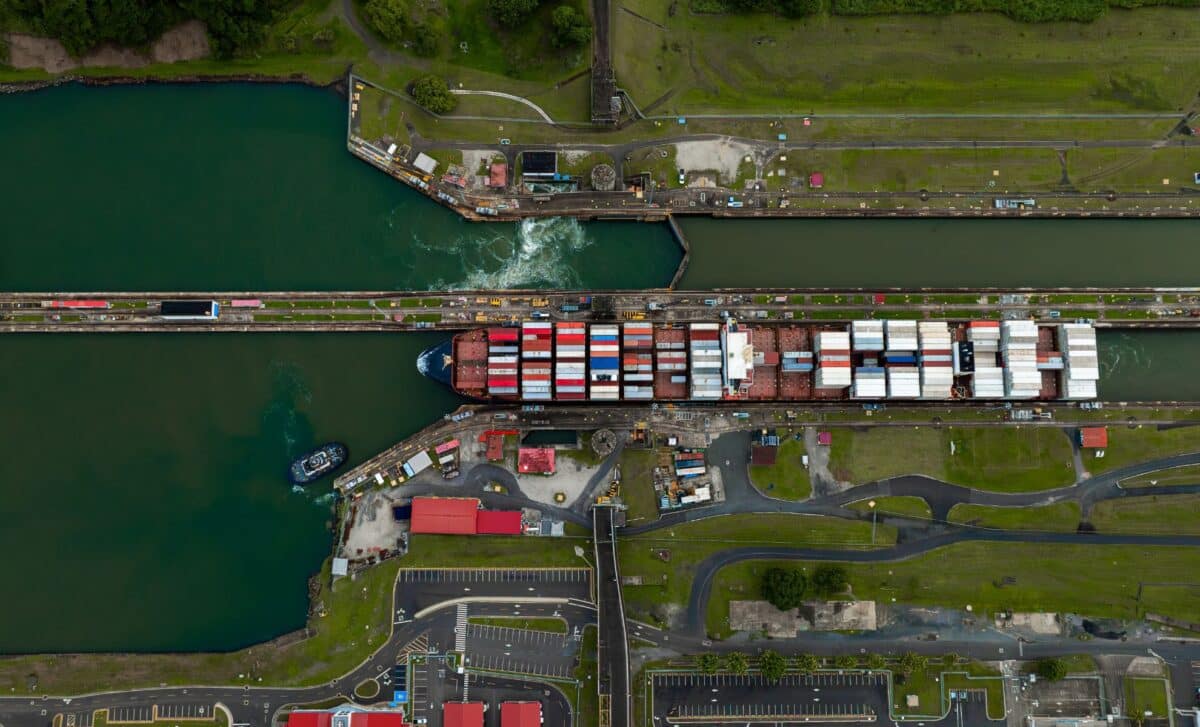
The change affects one of the world’s most used maritime passages. The 50-mile artificial waterway connects the Atlantic Ocean and Pacific Ocean, allowing ships to avoid the longer route around South America. According to the Panama Canal Authority, lower-than-forecast rainfall in the canal watershed requires additional measures to maintain operations and protect water supplies.
Lower Rainfall Forces New Restrictions on Canal Operations
The Panama Canal depends on freshwater from two artificial reservoirs, Gatún Lake and Alajuela Lake, to operate its lock system. Each ship transit requires large amounts of water as vessels are raised and lowered between oceans.
El Niño, a climate pattern linked to warmer Pacific Ocean surface temperatures, can weaken rainfall patterns over Panama. According to Reuters, monitoring stations in Panama recorded record or near-record temperatures in recent months, while rainfall around the canal area remained below average.
The Panama Canal Authority reported that rainfall across the canal watershed from May to August was 34 percent below the historical average. The authority has already introduced water-saving measures, including limits on the depth of ships entering the locks.
The restrictions follow previous disruptions during the 2023 drought, when the number of daily transits was reduced and ships faced longer waiting times. The current reduction is smaller, though the canal authority has said further restrictions remain possible depending on rainfall conditions.
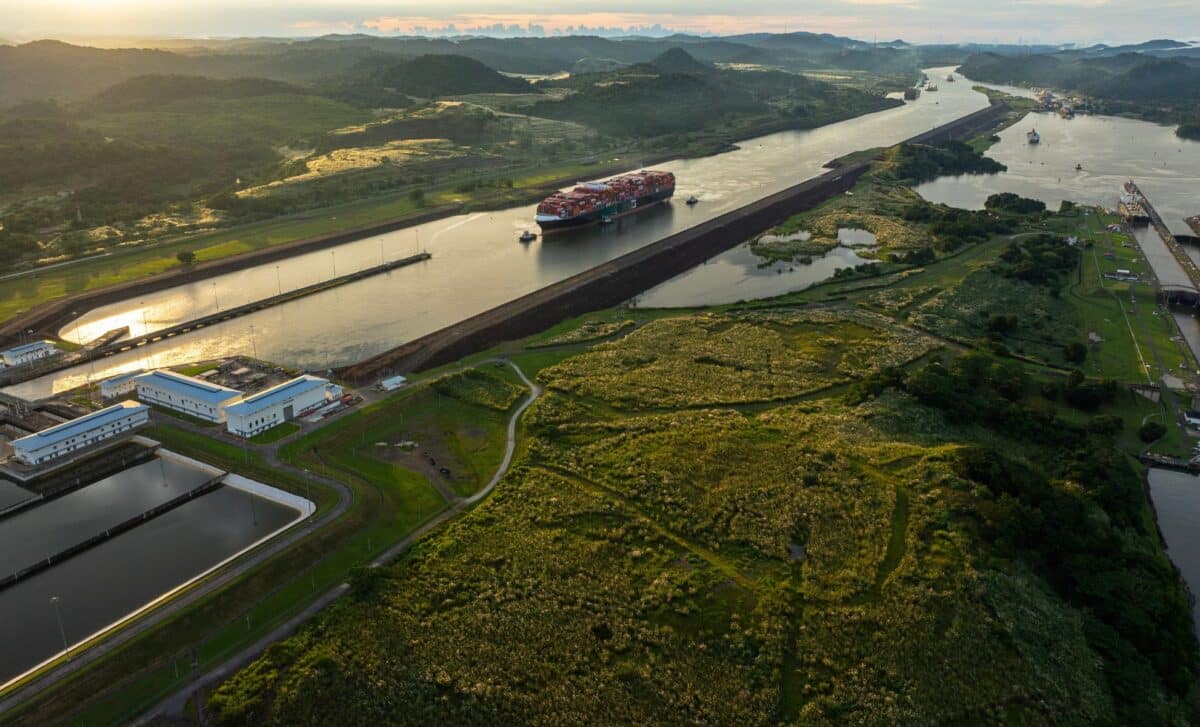
The impact is being watched closely because the canal handles around 5 percent of global maritime trade. About 40 percent of U.S. container traffic travels through the waterway each year, according to figures cited by reports.
Shipping Costs Rise as Companies Seek Alternatives
The latest restrictions come as shipping companies are already dealing with pressure from other global transport disruptions. Tensions around the Strait of Hormuz have affected maritime routes, increasing demand for access through the Panama Canal.
Ships without reserved transit slots may face higher costs through the canal’s auction system. According to CNN, one vessel paid $4 million in August to secure priority passage, while auction prices had previously been much lower.
Some companies are responding by changing routes. According to Reuters, some gas carriers heading toward Asia have chosen longer journeys around the Cape of Good Hope instead of using the Panama Canal. The alternative route increases travel time but avoids canal restrictions.
Higher shipping expenses can eventually affect consumers if companies pass additional costs through supply chains. Experts cited by CNN said disruptions could influence prices for goods including electronics, produce, and other imported products.
The canal authority is also considering longer-term solutions, including the proposed Río Indio reservoir project, which would create additional water storage capacity. The project remains in early stages, while Panama continues to balance the needs of canal operations with water demands from local communities.
As El Niño continues through the later months of 2026, shipping companies and governments will continue monitoring rainfall levels and the canal’s ability to maintain traffic through one of the world’s most important maritime routes.