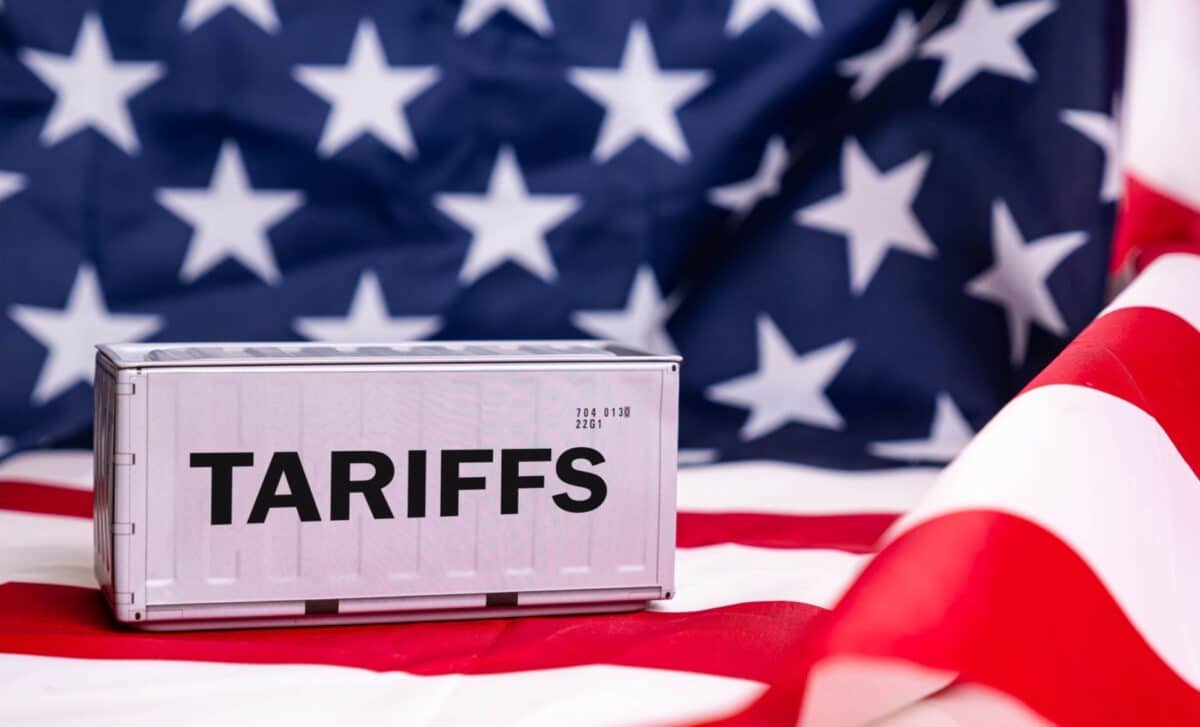
The new duties were presented by the White House as a response to alleged failures by trading partners to prevent imports linked to forced labor. The decision restores a broad tariff framework after the U.S. Supreme Court rejected many of President Donald Trump’s previous global tariffs imposed under emergency powers.
New Tariffs Replace Expired Global Levy
The tariffs took effect at 12:01 a.m. ET on Friday, immediately after the expiration of a temporary 10% tariff that had applied to imports from around the world. According to the U.S. Trade Representative’s Office, the new measures cover 99.4% of U.S. imports, although many categories of goods are exempt.
The administration said the tariffs were based on investigations conducted under Section 301 of the Trade Act of 1974. U.S. Trade Representative Jamieson Greer said the United States has enforced a ban on forced labor imports for nearly a century and argued that other countries should take similar action.
Countries with existing laws or commitments related to banning forced labor imports were assigned a 10% tariff rate, while others received a 12.5% rate. The European Union, Taiwan, Japan, South Korea and Switzerland were assigned rates that, combined with existing tariffs, reached 10% or 12.5%.
According to Reuters, several major trading partners disputed the justification for the tariffs, rejecting claims that they had failed to address forced labor concerns. China said it opposed unilateral tariffs and denied allegations of forced labor, while officials from Australia, Brazil and Norway also criticized the move.
The new duties include exemptions for several products, including oil and gas, fertilizer, certain food products, aircraft and parts, critical minerals, and goods already covered by national security tariffs. Some pharmaceutical products are also excluded, with President Trump separately announcing that generic drugs would continue to face a zero percent tariff for two years.
Trading Partners Respond as Further Measures Remain Possible
The reaction from U.S. partners has varied. The European Union said the new tariffs were consistent with previous tariff commitments agreed with Washington, according to the European Commission, while noting that discussions on additional exemptions and cooperation would continue.
The United Kingdom said the new tariffs would not change the current rate applied to British goods. The British Chamber of Commerce described the impact as mixed, pointing to benefits such as the continued exemption for whisky while raising concerns about the UK’s position compared with the European Union.
Trade experts said the latest measures largely maintain the tariff structure that had been expected after the Supreme Court decision. According to BBC reporting, Caroline Freund, an international trade expert, argued that the forced labor justification was being used as a legal basis for broader tariff goals linked to reducing the U.S. trade deficit and supporting domestic manufacturing.
The administration is also examining another potential round of tariffs targeting 16 trading partners over allegations of excess manufacturing capacity. According to trade specialists cited by The Washington Post, those future measures could create additional pressure on global trade relationships. For now, the latest tariffs represent a continuation of the Trump administration’s effort to rebuild a wide-ranging tariff system using different legal authorities after earlier measures were struck down.