
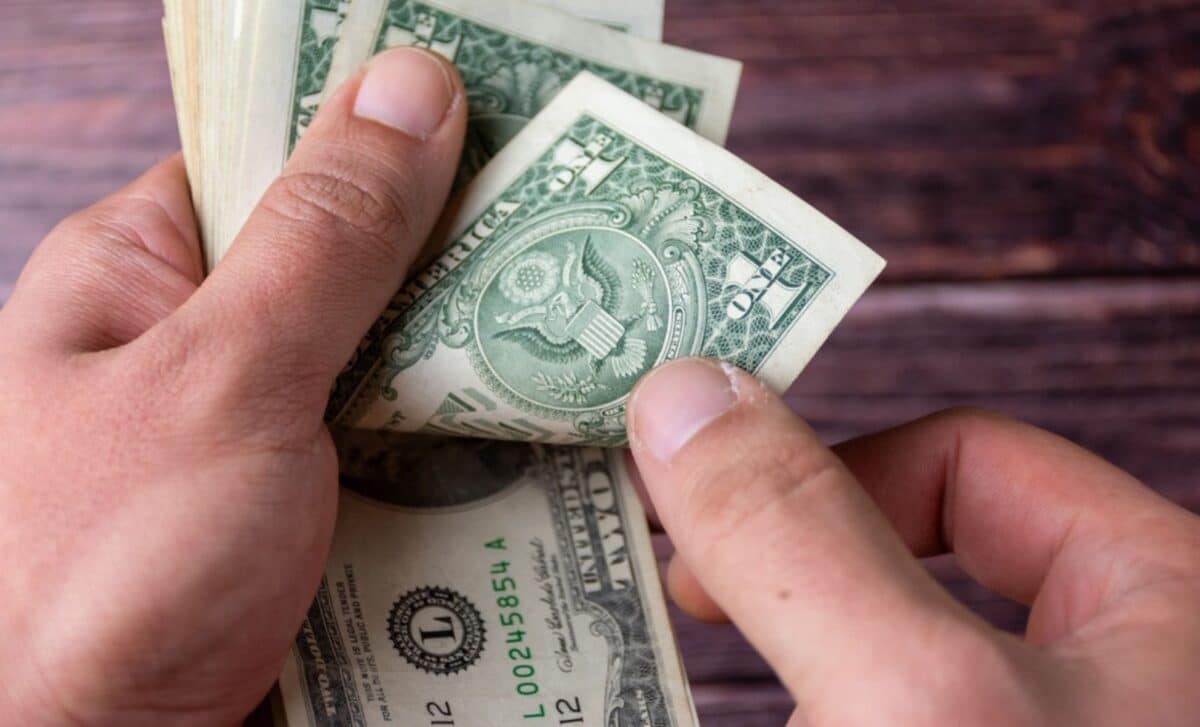
Starting July 1, 2026, Chicago will raise its minimum wage from $16.20 to $17.05 per hour, following the city’s efforts to keep pace with inflation and support working families. The increase affects thousands of employees across sectors, though tipped workers will continue earning $12.96 per hour until the next scheduled rise in 2028.
Wage Increase and Worker Support
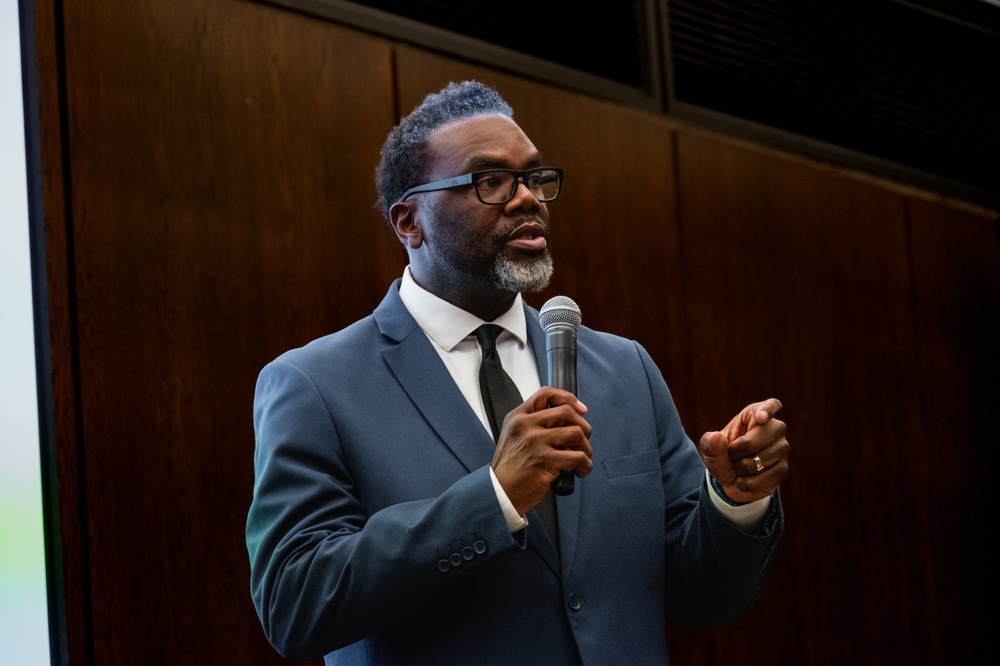
Mayor Brandon Johnson expressed pride in the change, saying the city continues to lead in advocating for worker rights. He emphasized that fair pay and protections are central to supporting families, describing working households as “the foundation of our city.”
The new minimum wage is part of broader labor policies that aim to give employees dignity, recognition, and security. The city also expands access to worker protections, including paid leave and legal safeguards for labor law violations.
Paid Leave and Sick Leave Expansions
From July 1, Chicago employees who work at least 80 hours within a 120-day period will qualify for up to five days of paid leave and five days of paid sick leave. Workers will also have the ability to pursue legal action if their rights are violated under the Paid Leave and Paid Sick and Safe Leave Ordinance.
These protections provide more certainty for employees and help them manage personal and health-related challenges without losing income.
Fair Scheduling Rules
Chicago is also expanding eligibility under the Fair Workweek Ordinance, which requires certain employers to provide predictable schedules and compensation when schedules change.
The rules apply to large employers with at least 100 workers globally or restaurant operators with 250 employees and 30 locations. Employees earning $33.85 an hour or less or making $64,945.55 a year or less will qualify.
Business Reactions
While many praise the increase, critics argue that higher wages increase business costs. Sun Gir Inc., operating 65 Carl’s Jr. locations as part of Friendly Franchisees Corporation, filed for bankruptcy in California two months ago. CEO Harshad Dharod blamed minimum wage hikes for materially increasing operating expenses and reducing marketing effectiveness, reports The Sun.
Despite these concerns, city officials maintain that the wage increase is necessary to support workers and working families while ensuring fair compensation across industries.
Chicago’s July 1 minimum wage rise reflects a growing trend among US cities to tie wages to inflation, expand employee protections, and improve workplace fairness. Early reactions suggest workers will benefit from more predictable pay, legal safeguards, and improved leave policies, while businesses continue adapting to the evolving labor landscape.