
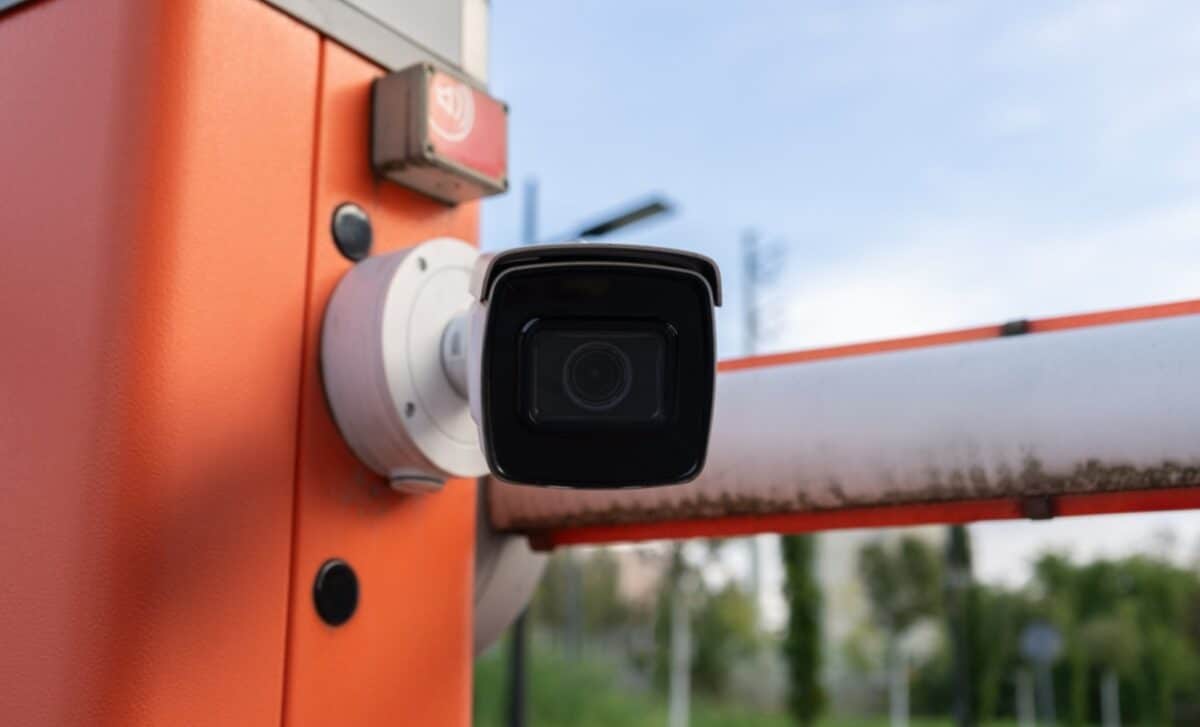
New surveillance technology could significantly expand the reach of automatic license plate readers (ALPRs), with reports suggesting future systems may link vehicles not only to registration data, but also to nearby smartphones, wearables, car systems and even pet microchips, raising major privacy concerns.
New “SignalTrace” System Expands Surveillance Scope
A defence contractor, Leonardo, is reportedly developing a system called SignalTrace, designed to combine traditional license plate recognition with sensors capable of detecting unique identifiers from electronic devices carried by individuals.
According to reporting by 404 Media, the technology is being marketed to law enforcement agencies and border security authorities as a way to build more detailed profiles of vehicle occupants.
Devices And Signals Could Be Linked To Vehicles
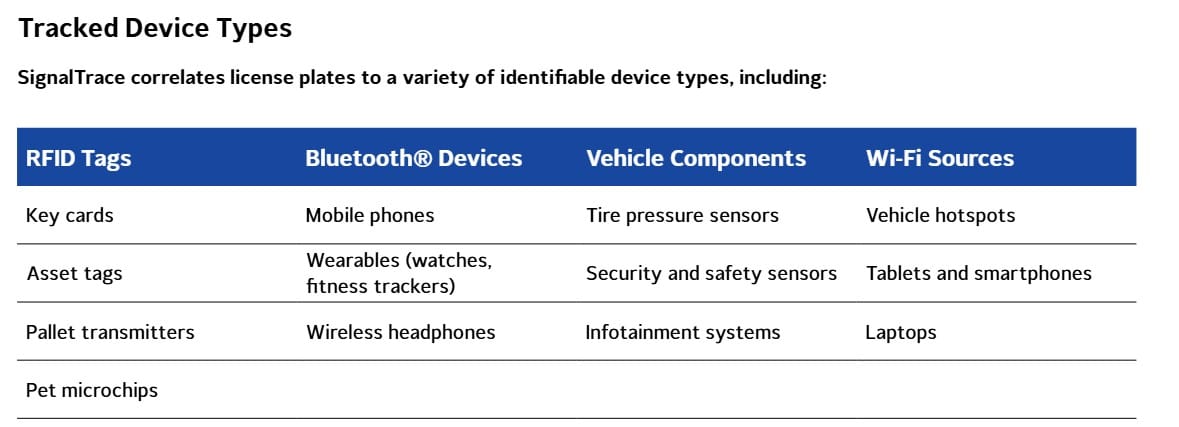
The system is designed to detect signals from a wide range of connected devices, including smartphones, tablets, Bluetooth headphones, wearable devices and vehicle infotainment systems.
It may also capture identifiers from vehicle-connected technologies, such as onboard 5G hotspots, tire pressure monitoring systems and other embedded electronics. Even pet microchips are reportedly considered a potential data source.
From Vehicle Tracking To People Tracking
Traditional license plate readers track vehicles as they move through different locations. The proposed upgrade would go further by linking vehicles to the devices carried inside them, potentially allowing authorities to associate specific individuals with specific journeys.
This approach is described as shifting surveillance from tracking vehicles to identifying occupants, significantly increasing the amount of data tied to a single movement.
Privacy Concerns Over “Pattern Of Life” Tracking
Privacy advocates have long warned that ALPR systems can already build detailed behavioural profiles based on repeated sightings of vehicles. These patterns can reveal daily routines, travel history and social connections.
By adding device-level identifiers, critics argue the technology could make it far easier to identify individuals and map personal movements without consent or awareness.
Technology Designed For Law Enforcement Use
Leonardo’s existing customer base includes police forces, border agencies and other government bodies. The company has previously secured patents related to the technology behind SignalTrace.
A disclaimer attached to the system states that it does not decrypt communications or access content from devices, but instead detects signal information broadcast in the environment.
Debate Over Expanding Surveillance Capabilities
While developers argue the system improves security and investigative capabilities, critics warn it could significantly expand surveillance infrastructure in public spaces.
Concerns have also been raised that individuals may have limited ability to opt out of such tracking if deployed at scale across road networks and urban areas.