

A Schwarzkopf Professional Osis Grip hair mousse has been recalled in the United States after a packaging problem was found to create a potential explosion hazard. The recall affects specific 6.76-ounce/200ml cans distributed through 21 distributors across 12 states, with the product sold both to professional hairstylists and directly to consumers.
What Prompted The Schwarzkopf Mousse Recall
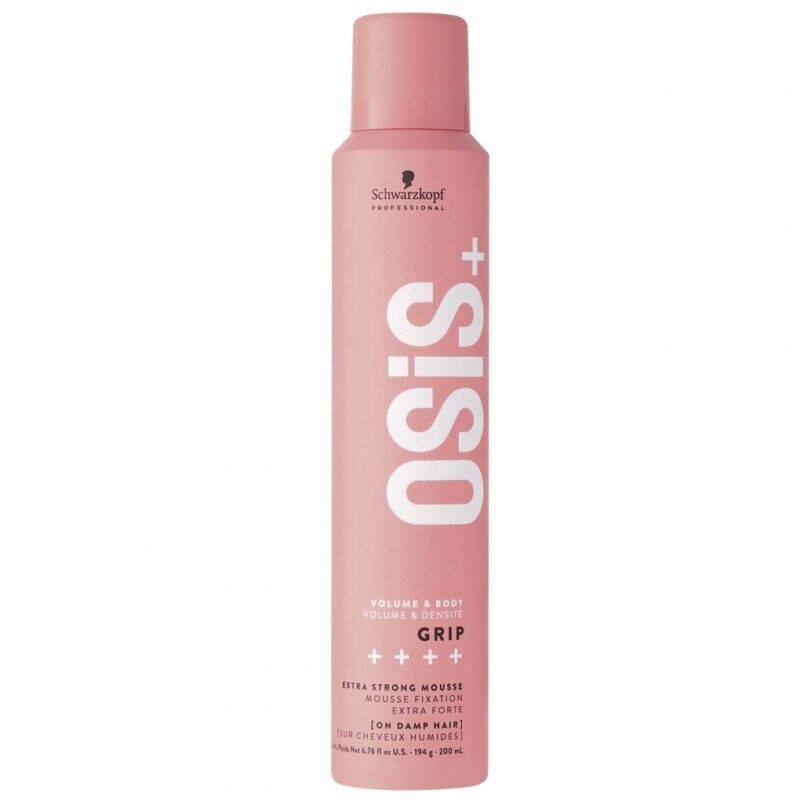
The recall involves Schwarzkopf Professional Osis Grip, an extra-strong styling mousse manufactured by Henkel Corporation. According to the recall information, the concern centers on the aluminum can rather than the mousse itself. Under certain conditions, the container could leak while under pressure, creating a potential risk of rupture or explosion. The issue came to light through reports received by Henkel, including one complaint from a customer and two reports from salons. One customer reportedly experienced bruising to the hand connected with the problem.
The U.S. Food and Drug Administration published the recall alert on August 11, 2026, bringing the issue to the attention of consumers and professional users. The recall is voluntary and applies only to specified batches of the product. Consumers who have the affected mousse are being advised to return it for a full refund. The presence of a particular product name alone does not mean every can of Osis Grip is part of the recall. Consumers should instead compare the product size and batch code with the information listed in the recall notice. Anyone who cannot determine whether a can is affected should avoid using it until its status has been confirmed.
FDA Identifies The Affected Product
The FDA provided the recall information as part of its consumer safety alert, giving buyers a way to identify the affected cans. The recalled product is specifically Schwarzkopf Professional Osis Grip 6.76 Oz/200ml. The agency lists 25 affected batch codes associated with the recall. Those codes are 2901X4577N, 2901X4578N, 290265P91O, 290665Q30O, 290855N31O, 290866R38P, 290994281N, 291046L06P, 291174W17N, 291435H76O, 291435H77O, 291455N33O, 291515A59O, 291515A99O, 291515B01O, 291555N33O, 291615B01O, 291616B68P, 291716B69P, 291825E960, 291925E96O, 292015B73O, 2928Y538BO, 2928Y539BO, and 293066U32P. Because the recall is based on specific production batches, checking the code on the individual container is the most direct way for consumers to determine whether their product is included.
The FDA alert also indicates that the mousse reached both professional and retail markets. That means the affected cans may be in salons as well as in consumers’ homes. Buyers who purchased the product recently should therefore inspect the packaging rather than assuming that a retail purchase was unaffected. The agency’s recall notice provides the underlying safety information for the affected product and its distribution.
Credit: Shutterstock
Where The Recalled Mousse Was Sold
The affected Osis Grip mousse was distributed in the United States through 21 distributors serving 12 states. The states identified in the recall are Alaska, Arizona, California, Florida, Michigan, Missouri, New Jersey, Ohio, Pennsylvania, South Carolina, Texas, and Washington. The distribution footprint means the recall extends beyond a single retailer or salon chain. The product was made available to hair professionals and consumers at the retail level, widening the group of people who may need to check their supplies. The recall information does not indicate that every Schwarzkopf Professional Osis Grip can sold in these states is affected. The listed batch codes remain the key identifier.
Consumers who have moved the product between locations, given it to another person, or purchased it through a salon should also check the can itself. Professional users may need to inspect products kept in salon storage areas as well as cans currently in use. The same precaution applies to consumers who purchased the mousse for personal styling. The reported packaging issue concerns a pressurized container, making the condition of the can relevant when determining how to handle an affected product. Consumers should follow the recall instructions rather than continuing to use a can that matches one of the listed codes.